Is Rice Really Life, According to Filipinos?
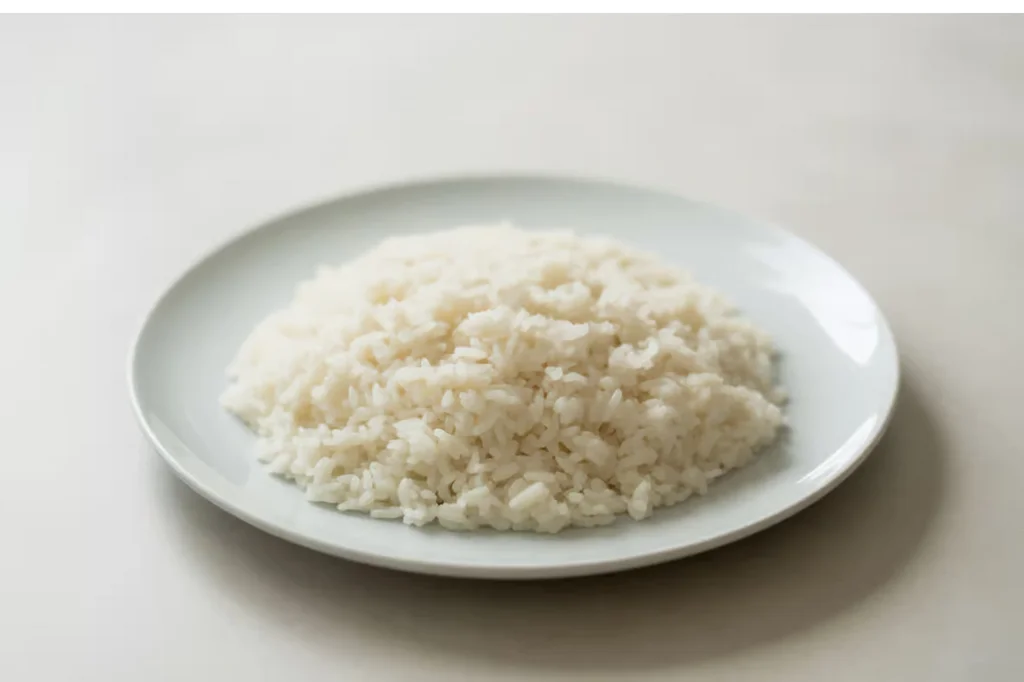
Growing up in a Filipino household, I can’t remember a single meal that didn’t feature rice. It wasn’t just a side dish—it was the heart of every plate. Whether it was a quick breakfast or a festive family dinner, rice was always there, steaming and ready to bring everything together. If you’ve ever been to a Filipino gathering, you’ve probably noticed the same thing: rice isn’t just food; it feels like life itself. But is that really true for Filipinos? Let’s explore the history, cuisine, and cultural significance of rice in the Philippines to find out.
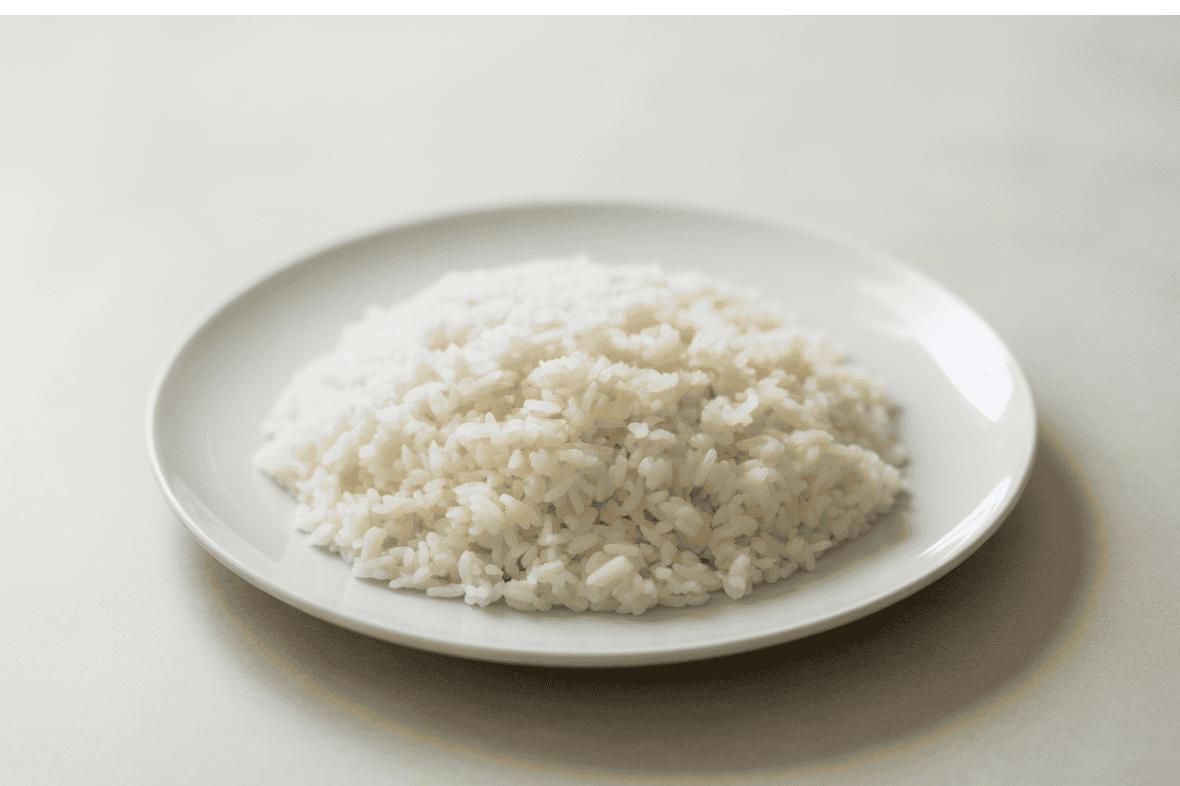
Rice
The History of Rice in the Philippines
Rice has been a cornerstone of Filipino life for centuries—its roots run deep. Archaeologists have found evidence of rice cultivation in the Philippines dating back over 4,000 years, making it one of the oldest crops in the archipelago. The Banaue Rice Terraces, often dubbed the “Eighth Wonder of the World,” stand as a breathtaking reminder of this legacy. Carved into the mountains over 2,000 years ago by the Ifugao people, these terraces aren’t just a farming marvel—they’re a symbol of how rice has shaped Filipino survival and ingenuity.
Back in pre-colonial days, rice was more than sustenance; it was power. It served as a form of currency, and a family’s wealth was often measured by their rice stock. Today, it’s still a vital part of the economy, supporting millions of farmers across the country. This long history shows that rice isn’t just a crop—it’s woven into the very fabric of Filipino identity.
Rice in Filipino Cuisine
Let’s get to the good stuff: the food! If you’ve ever eaten a Filipino meal, you know rice is the MVP. It’s not there to fill space—it’s the foundation that makes every dish complete. Here are some classic rice-based dishes you’ll find in Filipino homes:
- Sinangag (Garlic Fried Rice): A breakfast favorite, this is leftover rice fried with garlic until fragrant. Pair it with fried eggs and longganisa (Filipino sausage), and you’ve got a morning masterpiece.
- Arroz Caldo (Rice Porridge): This warm, hearty dish is made by simmering rice in chicken broth, topped with chicken, boiled eggs, and crispy garlic. Perfect for rainy days!
- Champorado (Chocolate Rice Pudding): Sweet and cozy, this is sticky rice cooked with cocoa and sugar, often enjoyed with a side of salty tuyo (dried fish) for contrast.
- Bibingka and Puto: These rice cakes, made from ground rice and coconut milk, are holiday staples that bring a taste of celebration to the table.
Rice
Rice isn’t just for special recipes, though—it’s a daily must. The average Filipino eats about 114 kilograms of rice a year, according to the Philippine Statistics Authority. Try eating adobo or sinigang without rice—it just doesn’t feel right, does it? Rice soaks up flavors, balances spices, and ties the meal together. It’s no exaggeration to say that for many Filipinos, a meal without rice is barely a meal at all.
Rice as a Cultural Symbol
Rice goes beyond the plate in the Philippines—it’s a symbol of life itself. It carries meaning in traditions, celebrations, and even spirituality. Here’s how:
- Rice Throwing at Weddings: Like in some Western cultures, Filipinos toss rice at newlyweds to wish them abundance and fertility. It’s a hopeful gesture for a fruitful life ahead.
- Rice in Religious Ceremonies: In indigenous communities, rice is offered to deities as a sacred gift, a way to give thanks for a good harvest or seek blessings.
- Rice as a Sign of Prosperity: In rural areas, a full rice granary still signals wealth and security. It’s a quiet source of pride for families.
Then there’s the hospitality angle. If you’ve ever visited a Filipino home, you’ve likely been greeted with a warm “Kain tayo!” (Let’s eat!) and a generous scoop of rice. It’s how we welcome people, share love, and build community. Rice isn’t just fuel—it’s a bond.
Rice
A Personal Connection
For me, rice is a thread to my past. I can still picture my lola (grandmother) in the kitchen, showing me how to rinse rice until the water ran clear, measure it with my finger, and wait for that perfect fluffy texture. It was a simple lesson, but it felt like she was passing down something sacred. Now, every time I cook rice, I hear her voice and feel that quiet connection to my roots.
Family gatherings are another rice-filled memory. Birthdays, Christmases, or just a random Sunday—rice was always piled high on the table. It didn’t matter what else was served; rice was the constant. And trust me, no one left hungry. Those moments remind me that rice isn’t just food—it’s family, it’s home.
Conclusion
So, is rice really life according to Filipinos? Absolutely. From its ancient history to its starring role in every meal and its deep cultural meaning, rice is more than a staple—it’s a lifeline. It’s the taste of tradition, the warmth of togetherness, and the heartbeat of Filipino culture.
What’s your take? Does rice hold a special place in your life or culture? Drop your thoughts or stories in the comments—I’d love to hear them!
*This post may contain affiliate links which means I may earn commissions for purchases made through links at no extra cost to you. See https://asianfoodsdaily.com/disclaimer/* for more infomation
Post your Comment
0 Comments
No comments yet. Be the first to share your thoughts!