The Role of Fermented Foods in Asian Diets
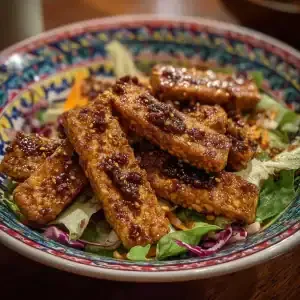
For centuries, traditions in East Asia have relied heavily on fermented foods. A groundbreaking study reveals a surprising link between these diets and remarkable health outcomes – particularly concerning longevity. But the science is complex, and whispers of ancient secrets threaten to disrupt modern approaches to wellness entirely.

Fermented Food
What Are Fermented Foods, and How Do They Feature In Traditional Asian Cuisine?
Okay, let’s talk about fermented foods – they’re way cooler than you might think! Basically, fermentation is when tiny little bugs called bacteria and yeast get to work on food. These bugs don’t just make things taste different; they actually change the food chemically. So what are fermented foods? They are foods that have been treated with these beneficial microbes – usually yeasts or bacteria – during their production process, resulting in a new product and unique characteristics like distinct flavors, textures, and aromas. Think about kimchi from Korea – it’s made by letting cabbage sit in its own juices for weeks with different kinds of bacteria to make that tangy flavor you love! Or consider yogurt – the milk gets fermented with specific bacteria creating a creamy product full of probiotics. Miso, natto (fermented soybeans), and even some types of pickles are all examples too. Now, let’s look at how this is used in traditional Asian cuisine. Fermentation isn’t just an afterthought; It’s a key part of so many dishes across the continent for thousands of years! In Japan, you have things like – fermented soybeans that are… well, definitely an experience! In China, there is doubanjiang (fermented broad bean paste), used in countless stir-fries and sauces. Korea relies on kimchi as a base for many dishes – stews, pancakes, fried rice… It’s everywhere. Across Southeast Asia – Thailand uses (fermented fish sauce) while Vietnam has , another fermented seafood product that forms the backbone of their cuisine! The process creates flavor compounds and breaks down complex carbohydrates into simpler sugars, boosting nutrients as well.
How Do Fermentation Processes, Like Those In Kimchi or Miso, Enhance The Nutritional Profile (Probiotics, Vitamins) Of Asian Ingredients?
It’s actually a really clever trick that these processes use to boost the food’s health benefits. Basically, fermentation is like giving microbes – tiny little organisms like bacteria and yeast – a party in your food. These guys eat sugars and starches, and as they do, they create all sorts of cool new stuff. Think about kimchi: it starts with cabbage, which has lots of natural sugars. The bacteria that live naturally on the cabbage kick into gear, munching away at those sugars. This process changes the flavor dramatically and also creates tons of good-for-you compounds during fermentation. Similarly, miso is made by fermenting soybeans with koji (a type of mold) and salt – this complex mix transforms the beans’ proteins into amino acids, which are essential for building your body. It’s a serious boost to how you feel! When you let kimchi or miso sit, these microbes produce things like probiotics—these are live good bacteria that can help keep your gut healthy and balanced. They also create vitamins – specifically B vitamins and K – which naturally form during the process of fermentation, enhancing their nutritional value considerably.
How Do The Types and Prevalence Of Fermented Foods In Asian Diets (e.g., Japan, Korea, China) Differ From Western Diets?
It’s a pretty big difference, and it really comes down to the types of food they use and just how often they eat them. In Japan, for example, you’ll find – soybeans that are fermented until they get this super sticky texture and smell! It’s eaten with rice pretty much every day. Then there’s , a paste made from fermented soybeans which is used in soups and sauces. Korea has kimchi—fermented cabbage (and other veggies!)–that’s basically a staple alongside almost every meal. And in China, you have things like – chili bean paste – that’s been fermenting for ages to give it its intense flavor. You also see a lot of fermented noodles and rice dishes too. The reason these foods are so common is partly because preserving food was super important historically. Before refrigeration, fermentation was the main way people kept vegetables and grains edible longer – especially during winter when fresh produce wasn’t around. It’s also linked to how they traditionally prepared meals – lots of simple dishes built around a few key ingredients, all fermented for flavor and goodness. Western diets tend to rely much more on things like pasteurized dairy products and pre-packaged sauces that haven’t gone through this natural fermentation process. You might have yogurt or cheese – those are great too! But it’s not as central to the daily food experience as fermented foods are in many Asian cultures. Because these Asian diets include so much fermenting, you get a bunch of amazing benefits. The fermentation creates really good bacteria – called probiotics – that are super helpful for your gut health! Plus, it boosts vitamins and minerals from the original ingredients as they’re broken down during the process.

Fermented Food
What Emerging Research Reveals About Fermented Food Components’ Impact On Metabolic Health or Longevity In Populations Consuming Them Regularly?
Imagine this: you’ve heard about fermented foods and how they’re good for your gut, which is cool. But scientists are now digging deeper to see how these super-old food traditions might be affecting people’s overall health over a long time – like, seriously long. It turns out that some of the things in fermented foods aren’t just for your tummy; they seem to have an impact on how your body processes sugar and fat, which are really important when it comes to managing energy levels and maybe even living a longer life. For example, research is showing that compounds produced during fermentation – like certain peptides and organic acids – can actually influence things like insulin sensitivity. Insulin helps your body use sugar from food for energy, so if you’re more sensitive to it, you need less of it to do the same job. Another thing scientists are looking at is how fermented foods might affect inflammation in your body. A lot of chronic diseases – like heart disease and diabetes – are linked to ongoing inflammation. The good bacteria produced during fermentation seem to help calm this down, potentially reducing the risk of these illnesses over time. Studies on populations who regularly eat fermented foods, such as those in Okinawa (known for its long-lived people) or Korea, are starting to show that they have lower levels of inflammatory markers compared to others. This isn’t just a coincidence – it’s likely due to the changes happening inside them because of these foods and their microbes. Basically, you can think about fermented food components as sending out signals in your body – subtle adjustments that could eventually impact everything from how efficiently you use energy to reducing long-term swelling and irritation.
How Can Individuals Safely Incorporate Fermented Foods Into Their Meals and Routines For Optimal Benefit (e.g., starting slowly, understanding sensitivities)?
It can feel overwhelming trying to add so many different types of food that have been sitting and changing for ages into your regular meals. It’s like introducing a whole new world of flavors, which is awesome, but also requires a gentle approach if you want it to work smoothly. Think about it – kimchi can be pretty spicy! Miso has this intense umami flavor that takes some getting used to and kombucha has a tangy taste – introducing all of these at once could cause discomfort, or simply lead you losing interest. So, let’s talk about how can safely bring these foods into your life. It’s mostly about taking it step by step – like building up to something exciting. First off, start small. Maybe just add a tiny bit of miso paste to scrambled eggs or stir-fry one serving of kimchi with rice once or twice a week. Don’t jump straight into huge bowls! Secondly, pay attention to how feel – seriously notice any changes in your stomach after eating something fermented and see if there are specific types that cause discomfort for you. Some people are naturally more sensitive than others; everyone’s gut is different.
How Do Modern Chefs Adapt Traditional Fermentation Techniques, Like Koji Or Shoyu Production, To Elevate Contemporary Asian Cuisine?
A lot of incredible taste comes from this really old process called fermentation. Modern chefs are seriously digging into how traditional techniques like koji and shoyu production are changing things now. Basically, these aren’t just methods for making sauces anymore. Koji – you’ve probably heard of it with rice – is used to make all sorts of stuff: miso, sake, even some breads! It adds this incredible umami flavor that really boosts everything. Traditionally, koji mold was carefully cultivated and used in small batches by skilled artisans who have been perfecting the process for generations. Shoyu, or soy sauce – you know the dark brown stuff? Its creation relies heavily on fermentation too! It’s usually made from soybeans, wheat, salt and itself which is a type of mold. What chefs are doing now isn’t just making shoyu like it was centuries ago – they’re experimenting with different types of koji, using new strains to create incredibly complex flavors. They might add ingredients like fruit or spices during fermentation to make unique variations. Some are even recreating ancient methods on a larger scale, letting the process happen to really build up those intense tastes and textures. They’re also playing with timing – shorter fermentation periods mean more delicate flavors, while longer ones develop richer complexities you wouldn’t get otherwise. It’s like they are dialing in on a very precise level of taste! They might ferment rice vinegar for just a few weeks to create a light, fruity flavor or extend the process by several months to build an incredibly intense and deep profile. It’s all about control – chefs are learning exactly how different conditions affect fermentation. This isn’t just about making familiar dishes taste better; it’s opening up completely new culinary possibilities in modern Asian food.
Unlock The Ancient Secret To a Healthier Gut—it’s more than a trend
Sometimes, cultures have passed down traditions for centuries without fully understanding why they work so well. Imagine your body is like a really complicated computer; all those bacteria are like tiny programs that affect everything from how you digest food to even your mood.
*This post may contain affiliate links which means I may earn commissions for purchases made through links at no extra cost to you. See https://asianfoodsdaily.com/disclaimer/* for more infomation
Post your Comment
0 Comments
No comments yet. Be the first to share your thoughts!