Why Miso Table Sauce Belongs in Every Kitchen
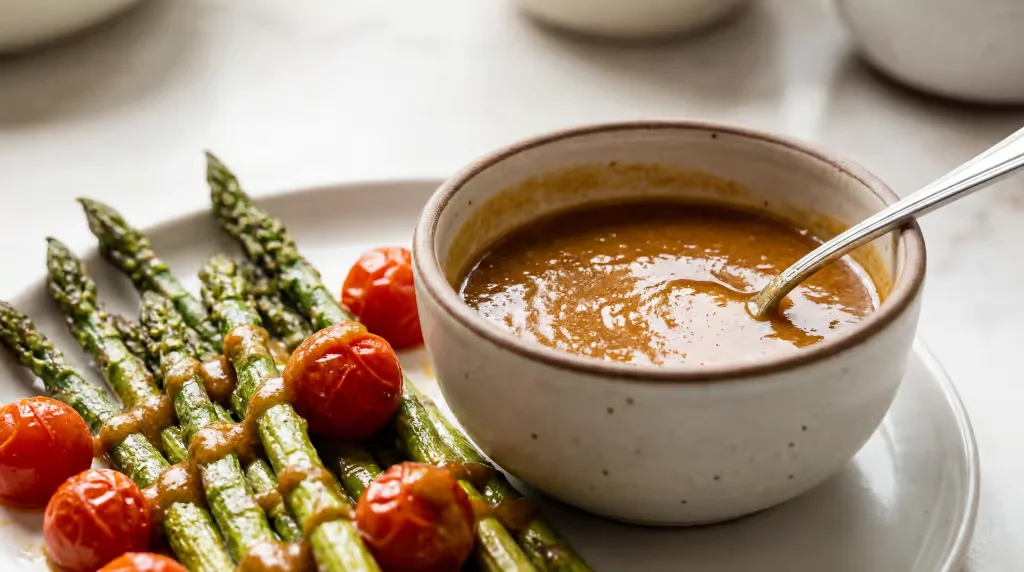
Ever stare at your fridge wondering how to make dinner taste like something? That bottle of miso table sauce sitting on my counter changed everything. This post is for home cooks who want bold flavor without complicated recipes. If your meals feel flat or boring, this guide solves that problem fast.
I remember the exact moment miso table sauce clicked for me. My grandmother visited from Osaka three years ago. She watched me cook chicken—just salt and pepper, nothing special. She shook her head, walked to her suitcase, and pulled out a small jar. “This,” she said, “is what your food is missing.” That homemade miso table sauce turned ordinary chicken into something I still think about. She spent the weekend teaching me her recipe. Now I make a batch every month. That jar from her suitcase? Still on my shelf, empty but impossible to throw away.

Why This Miso Table Sauce Recipe Wins
Most store-bought sauces taste one-dimensional. Sweet or salty, that’s it. This umami rich miso table sauce hits different. You get depth. Complexity. The kind of flavor that makes people ask what your secret is.
The health benefits of miso table sauce matter too. Fermented foods support gut health. You’re adding probiotics to your meals without even trying. Plus, a little goes far. One tablespoon transforms a whole dish.
This easy homemade miso table sauce recipe takes fifteen minutes. That’s it. No special skills needed. No weird equipment. Just good ingredients combined the right way.
Ingredients You’ll Need for Miso Table Sauce
White miso paste (3 tablespoons) – The base. White miso is milder and sweeter than red. Perfect for a table sauce you’ll use daily.
Rice vinegar (2 tablespoons) – Adds brightness. Cuts through the richness so the sauce doesn’t feel heavy.
Sesame oil (1 tablespoon) – Toasted sesame oil brings nutty depth. Don’t skip this.
Honey or maple syrup (1 tablespoon) – Balances the salt. Use maple for a vegan version.

Fresh ginger (1 teaspoon, grated) – Warmth and zing. Grate it fine so it disappears into the sauce.
Garlic (1 clove, minced) – Because garlic makes everything better. Obvious but true.
Water (2 tablespoons) – Thins the sauce to drizzling consistency.
How I Make My Miso Table Sauce
Step 1: Grab a medium bowl. Add the miso paste first.
Step 2: Pour in the rice vinegar. Whisk until smooth. The miso will resist at first—keep going.
Step 3: Add sesame oil and honey. Mix well.
Step 4: Stir in the ginger and garlic. I use a microplane for the ginger. Gets it super fine.
Step 5: Add water one tablespoon at a time. You want pourable but not watery.
Step 6: Taste and adjust. Need more sweet? Add honey. Too thick? More water.
Done. Seriously, that’s the whole process. Now you understand how to use miso table sauce daily—because making it takes almost no effort.

Tips That Make a Difference
Room temperature ingredients blend easier. Cold miso clumps. Let it sit out for ten minutes before starting.
Use the best miso table sauce for cooking by choosing quality paste. Check the ingredients list. Real miso has soybeans, salt, and koji. Anything with MSG or preservatives? Put it back.
Make it ahead. The flavors actually improve after a day in the fridge. Everything melds together.
Don’t heat this sauce too much. High temperatures kill the probiotics. Drizzle it on finished dishes instead.
Easy Variations for Your Miso Table Sauce
Spicy version: Add a teaspoon of chili paste or sriracha. Wakes up noodle bowls.
Citrus twist: Squeeze in fresh lime juice instead of vinegar. Great on fish.
Creamy style: Blend in two tablespoons of tahini. Perfect for grain bowls.
Red miso swap: Use red miso for deeper, earthier flavor. Works great with beef.
The versatile miso table sauce uses are honestly endless. I’ve put this on eggs, pizza, roasted vegetables, even popcorn. No judgment here.
Storage and Reheating Your Miso Table Sauce
Store in a glass jar with a tight lid. Fridge keeps it good for two weeks. Maybe three if you’re not worried about maximum freshness.
The sauce thickens when cold. Normal. Just stir before using or let it warm up on the counter for five minutes.
Don’t freeze it. The texture gets weird and the flavors separate. Just make fresh batches—takes fifteen minutes, remember?
Equipment You”ll Need
You need almost nothing special. A mixing bowl, a whisk, and a jar for storage. That’s the list.
A microplane makes grating ginger easier. Not required though. A regular grater works fine.
Small mason jars are perfect for storage. The 8-ounce size holds one batch exactly.
Frequently Asked Questions
What does miso table sauce taste like?
Savory, slightly sweet, with deep umami richness. Think soy sauce but more complex and less salty. It adds layers of flavor without overwhelming other ingredients.
Can I use miso table sauce if I’m gluten-free?
Check your miso paste. Traditional miso uses barley or wheat. Look for miso made only with rice koji—those are gluten-free. The other ingredients in this recipe contain no gluten.
What foods pair best with miso table sauce?
Pretty much everything. Grilled meats, roasted vegetables, rice bowls, noodles, salads, even toast with avocado. It works as a dipping sauce, dressing, or finishing drizzle.
Is miso table sauce healthy?
Yes. Miso is fermented, so it contains probiotics that support digestive health. It also provides protein, vitamins, and minerals. The sauce is low in calories but high in flavor, so you use less overall.
How is miso table sauce different from regular miso?
Regular miso paste is thick and concentrated. Miso table sauce is thinned and balanced with other ingredients for easy drizzling. You can use it straight from the jar without any prep.
Final Note
Here’s the thing. Good cooking isn’t about complicated techniques or fancy ingredients. It’s about having the right flavors ready when you need them. Miso table sauce is that secret weapon.
Make one batch this weekend. Put it on tomorrow’s lunch. You’ll see exactly why miso table sauce belongs in every kitchen. Once you start, you won’t go back to plain food again. Trust me on this one.
*This post may contain affiliate links which means I may earn commissions for purchases made through links at no extra cost to you. See https://asianfoodsdaily.com/disclaimer/* for more infomationrticle here…
Post your Comment
0 Comments
No comments yet. Be the first to share your thoughts!