Why Pancit Palabok is the Ultimate Filipino Noodle Dish
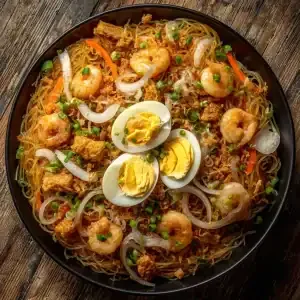
Noodles are a beloved staple in many cultures, but there’s something truly special about Filipino noodle dishes that sets them apart. Among them, Pancit Palabok reigns supreme. This dish is a vibrant celebration of flavors, textures, and Filipino culinary tradition. Every time I take a bite of Pancit Palabok, I’m reminded of the warmth and hospitality of Filipino culture. It’s a dish that not only satisfies the stomach but also the soul. If you haven’t tried it yet, you’re in for a treat. Let’s explore why Pancit Palabok is the ultimate Filipino noodle dish you absolutely need to experience.

Pancit Palabok
What is Pancit Palabok?
Pancit Palabok is not your average noodle dish. It’s a masterpiece of Filipino cuisine, featuring thin rice noodles smothered in a luscious, savory sauce tinted orange from annatto seeds. The sauce is the star of the show, made from a rich blend of shrimp broth, ground pork, and various seasonings that create a depth of flavor that’s hard to resist. But what really sets Pancit Palabok apart are the toppings: succulent shrimp, crispy pork cracklings (chicharon), hard-boiled eggs, green onions, and sometimes even smoked fish or squid. Each bite is a harmonious blend of textures and tastes that will leave you craving more.
Here’s a little insider tip: To achieve that signature orange color, make sure to use annatto powder (achuete). Can’t find it? A pinch of turmeric can work as a substitute, though the flavor will be slightly different. Trust me, it’s worth hunting down the real deal for that authentic taste.
The History and Cultural Significance of Pancit Palabok
Like many Filipino dishes, Pancit Palabok has a rich history influenced by various cultures. Its origins can be traced back to Chinese noodle dishes, introduced to the Philippines by Chinese traders and immigrants. Over the centuries, Filipinos adapted the dish, incorporating local ingredients and flavors to make it their own. Did you know that the word “pancit” comes from the Hokkien Chinese word “pian i sit,” which means “something conveniently cooked”? It’s fascinating how language and food intertwine, isn’t it?
Today, Pancit Palabok is a staple at Filipino celebrations, from birthdays to fiestas, symbolizing longevity and good fortune. It’s more than just a meal; it’s a cultural icon that brings people together. Whether it’s a family gathering or a festive occasion, Pancit Palabok is often at the center of the table, inviting everyone to dig in and share. It’s the kind of dish that makes you feel like you’re part of something bigger.

Why Pancit Palabok is the Ultimate Filipino Noodle Dish
What makes a noodle dish truly great? Is it the flavors, the textures, or the memories it evokes? For me, Pancit Palabok checks all the boxes. Here’s why it deserves the title of the ultimate Filipino noodle dish:
- Unparalleled Flavor: The sauce is a perfect balance of savory, umami, and a hint of sweetness, thanks to the shrimp broth and ground pork. The annatto adds a subtle earthiness that ties everything together. It’s a flavor explosion that lingers long after the last bite.
- Texture Heaven: The soft, slippery noodles contrast beautifully with the crunchy pork cracklings and the tender shrimp. The hard-boiled eggs add a creamy element, while the green onions provide a fresh, crisp bite. Every forkful is a delightful mix of textures.
- Customizable: While the traditional toppings are delicious, Pancit Palabok is incredibly versatile. You can add your favorite proteins, like chicken or tofu, or experiment with different garnishes to make it your own. For a vegetarian twist, swap the shrimp and pork with tofu or mushrooms and use vegetable broth instead of shrimp broth.
- Perfect for Sharing: Pancit Palabok is often served on a large platter, making it ideal for family gatherings or parties. It’s a dish that encourages communal eating and sharing stories over a meal. There’s something magical about gathering around a table and enjoying this dish together.
Seriously, can you name another noodle dish that’s this dynamic? I’d love to hear your thoughts!
Pancit Palabok
How to Enjoy Pancit Palabok
If you’re lucky enough to live near a Filipino restaurant or community, finding Pancit Palabok should be a breeze. Look for it on the menu or ask if they can whip it up special for you. If you’re feeling adventurous, why not try making it at home? While it might seem like a challenge at first, the effort is well worth it. Pair it with a side of lumpia (Filipino spring rolls) or a refreshing calamansi juice for the full experience.
Not sure how to get started? Here are some quick tips:
- At a Restaurant: Ask for extra chicharon for that added crunch—it’s a game-changer.
- At Home: Don’t skimp on the garnishes; they elevate the dish from good to unforgettable.
- For Beginners: If making the sauce feels overwhelming, some Asian stores sell pre-made Palabok mix. It’s a great way to ease into it.
The first time I made Pancit Palabok at home, I was a nervous wreck—would the sauce turn out right? Would my family approve? But when I saw their smiles and heard the “mmms” around the table, I knew I’d nailed it. There’s nothing like that feeling.
Your Turn to Taste the Magic
If Pancit Palabok hasn’t crossed your path yet, it’s time to change that. Hunt it down at a Filipino eatery near you, or roll up your sleeves and whip it up at home. Already a fan? Share the love—host a Pancit Palabok night, or surprise your crew with a batch. It’s a dish that’s meant to be enjoyed together, sparking stories and smiles along the way. Trust me, one taste, and you’ll wonder how you ever lived without it.
*This post may contain affiliate links which means I may earn commissions for purchases made through links at no extra cost to you. See https://asianfoodsdaily.com/disclaimer/* for more infomation
Post your Comment
0 Comments
No comments yet. Be the first to share your thoughts!