How to Make Kimchi-Jjigae (Kimchi Stew)
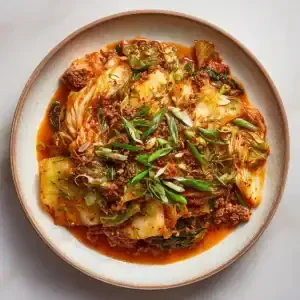
What’s your go-to comfort food? For many Koreans, it’s Kimchi-Jjigae—a hearty, spicy stew made with kimchi, pork, tofu, and a medley of other ingredients. Whether you’re new to Korean cuisine or a seasoned fan, Kimchi-Jjigae is a must-try. And the best part? It’s surprisingly easy to make at home.

What Makes Kimchi-jjigae So Irresistible?
Let’s talk about the flavor. Kimchi-jjigae isn’t shy—it hits you with a bold mix of spicy, sour, and savory notes that somehow work together perfectly. The fermented kimchi brings a tangy punch, the pork adds a rich, meaty depth, and the tofu soaks up all that goodness like a flavor sponge. Then there’s the broth, simmering with gochugaru (Korean red pepper flakes) and garlic, tying it all together. It’s the kind of dish that makes you lean over the bowl, inhaling the steam, and wondering how something so simple can taste so complex. And can we just agree that a stew this hearty is basically a hug you can eat?
What Goes Into Kimchi-Jjigae?
At its core, Kimchi-Jjigae is simple, but each ingredient plays a crucial role in creating its signature taste. Here’s what you’ll need:
- 1 cup of kimchi, chopped: The older and tangier, the better! Kimchi is the soul of this stew, bringing that unmistakable spicy, sour kick.
- 1/2 cup of pork belly, sliced: Pork adds richness and depth. (Vegetarians, don’t worry—there’s a tweak for you below!)
- 1 block of tofu, cubed: Soft or firm, tofu adds a delightful texture and soaks up all the flavors.
- 1 onion, sliced: For a subtle sweetness that balances the spice.
- 2 cloves of garlic, minced: Because everything’s better with garlic.
- 1 tablespoon of gochujang (Korean chili paste): This adds an extra layer of heat and umami.
- 2 cups of water or broth: Broth (like anchovy or vegetable) enhances the flavor, but water works in a pinch.
- Green onions and sesame seeds for garnish: A fresh, nutty finish.
Why these ingredients matter:
- Kimchi provides the tangy, spicy base.
- Pork belly adds a savory richness.
- Tofu offers a soft contrast to the bold flavors.
- Gochujang deepens the spice and complexity.
How to Make Kimchi-Jjigae
- Sauté the pork belly: In a medium-sized pot, cook the sliced pork belly over medium heat until it’s slightly browned and the fat starts to render. This should take about 3-4 minutes.
- Add the kimchi: Toss in the chopped kimchi and sauté for another 2-3 minutes. This helps release its flavors and mingle with the pork.
- Incorporate the aromatics: Add the sliced onion, minced garlic, and gochujang. Stir everything together for about a minute, letting the spices bloom.
- Pour in the liquid: Add 2 cups of water or broth, and bring the mixture to a boil.
- Simmer: Reduce the heat to low and let the stew simmer for 15-20 minutes. This allows the flavors to deepen and the kimchi to soften.
- Add the tofu: Gently place the cubed tofu into the pot and simmer for another 5 minutes. The tofu will absorb the stew’s flavors without falling apart.
- Garnish and serve: Sprinkle with chopped green onions and sesame seeds. Serve hot with a bowl of steamed rice for the ultimate comfort meal.
Pro tip: If you’re using a traditional Korean earthenware pot (ttukbaegi), the stew will stay hotter for longer—and it looks authentic!
Tips and Variations: Make It Your Own
One of the best things about Kimchi-Jjigae is its versatility. Here are some ways to customize it:
- Vegetarian version: Skip the pork and use vegetable broth. You can also add mushrooms for an umami boost.
- Protein swap: Not a fan of pork? Try beef, chicken, or even seafood like shrimp or clams.
- Veggie boost: Add zucchini, mushrooms, or potatoes for extra heartiness.
- Spice control: If you’re sensitive to heat, use less gochujang or opt for a milder kimchi. If you love spice, add a sliced chili pepper for an extra kick.
- Noodle twist: Toss in some ramen or glass noodles in the last few minutes of cooking for a filling, one-pot meal.
Fun fact: In Korea, Kimchi-Jjigae is often cooked right at the table, making it a fun, interactive dining experience. If you have a portable stove, give it a try!
Why You’ll Love Kimchi-Jjigae (And Why You Should Make It Tonight)
If you’re still on the fence, let me share a quick story. The first time I tried Kimchi-Jjigae, I was at a small Korean restaurant with friends, and they insisted I give it a go. I was hesitant—spicy food isn’t always my friend—but after one bite, I was hooked. The tangy kimchi, the savory pork, and the soft tofu all came together in a way that felt like a warm embrace. Since then, I’ve been making it at home regularly, and it never fails to hit the spot.
Be warned, though: Kimchi-Jjigae can be quite spicy. If you’re not used to the heat, keep a glass of milk nearby. Or, if you’re like me, just embrace the burn and enjoy the endorphin rush! Either way, it’s worth it.
Your Turn to Try Kimchi-Jjigae
Now that you know the story behind Kimchi-Jjigae and how to make it, why not give it a try? It’s a fantastic way to warm up on a chilly day or impress your friends with your Korean cooking skills. Plus, it’s a dish that’s steeped in history and love—something we could all use a little more of.
Have you tried Kimchi-Jjigae before? Or do you have any tips for making it even better? Drop a comment below and share your experiences—I’d love to hear from you. And if you make this recipe, don’t forget to share your tweaks or variations. Happy cooking!
*This post may contain affiliate links which means I may earn commissions for purchases made through links at no extra cost to you.
See https://asianfoodsdaily.com/disclaimer/* for more infomation
Post your Comment
0 Comments
No comments yet. Be the first to share your thoughts!