How to Make Korean Jangjorim (Easy Soy-Braised Beef & Eggs)
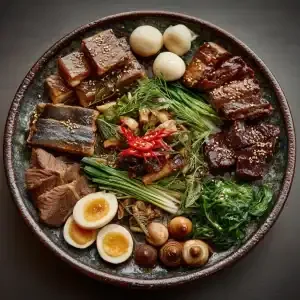
If you’re on the hunt for a dish that’s equal parts comforting and flavorful, Jangjorim might just steal your heart. This traditional Korean braised beef dish combines tender meat, soy sauce magic, and a hint of nostalgia that’ll make you feel like you’ve stumbled into a Seoul kitchen. It’s not just food—it’s a warm embrace in edible form.

What Is Jangjorim, Anyway?
Jangjorim is a Korean classic where beef—usually brisket or shank—gets slow-cooked in a rich broth of soy sauce, garlic, ginger, and a touch of sugar. The result? Meat so tender it practically melts, paired with hard-boiled eggs that soak up all that savory goodness. Sometimes, chili peppers join the party for a little kick.
This dish often pops up as a banchan (side dish) in Korean meals, but don’t let that fool you—it’s hearty enough to star as the main event alongside a bowl of rice. Plus, it’s a chameleon: serve it hot, cold, or straight from the fridge, and it still delivers. Perfect for a cozy dinner or a make-ahead lunch, Jangjorim is the gift that keeps on giving.
A Peek Into Jangjorim’s Past
Pinpointing Jangjorim’s origins is like trying to catch a cloud—tricky, but we’ve got some clues. It likely dates back to the Joseon Dynasty (14th to 19th century), a time when preserving food was a survival skill. The soy sauce marinade doubled as a flavor bomb and a way to keep meat fresh longer. Genius, right?
Back then, beef was a rare treat, making Jangjorim a special-occasion dish. Families might save it for holidays or big gatherings, turning it into a symbol of celebration. Fast forward to today, and it’s a beloved staple that carries a whiff of tradition with every bite. Eating it feels like connecting with centuries of Korean home cooking.

How to Whip Up Jangjorim at Home
Ready to bring Jangjorim to your kitchen? This recipe is beginner-friendly and packed with flavor. Here’s what you’ll need and how to make it happen:
Ingredients
- 1 lb beef brisket or shank, cut into chunks
- 4-5 hard-boiled eggs, peeled
- 1 cup soy sauce
- 1/2 cup water
- 1/4 cup sugar
- 4 cloves garlic, minced
- 1-inch piece of ginger, sliced
- 2-3 green onions, chopped
- 1-2 chili peppers (optional, for spice lovers)
- Sesame seeds and sliced green onions for garnish
Instructions
- Prep the Beef: Boil the beef chunks in water for 10 minutes to clean off impurities. Drain and rinse with cold water.
- Mix the Sauce: In a pot, combine soy sauce, water, sugar, garlic, ginger, and green onions. Heat until it simmers.
- Cook the Beef: Add the beef to the pot, making sure it’s covered by the sauce. Simmer on low, covered, for 1.5 to 2 hours until tender.
- Add Eggs: Toss in the eggs and peppers (if using) and simmer for another 10-15 minutes.
- Finish Up: Let it cool slightly, sprinkle with sesame seeds and green onions, and serve with rice.
Quick Tip: Patience pays off—Jangjorim tastes even better after a night in the fridge. The flavors get cozy and deepen overnight.
Why Jangjorim Deserves Your Attention
Not sold yet? Here’s why Jangjorim should climb to the top of your must-try list:
- Flavor Overload: Soy sauce, garlic, and ginger team up for an umami punch that’s hard to beat.
- Versatility: Main dish, side dish, noodle topper—it does it all.
- Meal Prep Win: Stays tasty in the fridge for days, saving you time.
- Cultural Vibes: It’s a delicious way to experience Korean traditions firsthand.
Convinced? I thought so. Your taste buds are in for a treat.
My Jangjorim Journey
I stumbled across Jangjorim at a tiny Korean spot in my town. The owner, a grandmotherly figure with a mischievous grin, slid a plate my way and said, “Try this.” One bite, and I was done for—the beef was fall-apart tender, the eggs were salty perfection. When I begged for her recipe, she just laughed and said, “Family secret!”
Undeterred, I spent weeks tinkering in my kitchen, spilling soy sauce and cracking eggs until I nailed it. Now, every time I make Jangjorim, I’m transported back to that little restaurant, feeling the warmth of that first taste. What’s your food memory waiting to be made?
Jangjorim FAQs
Got questions? I’ve got answers:
- Can I swap the meat? Sure! Pork, chicken, or even tofu work—just tweak the cooking time.
- Is it spicy? Only if you want it to be. Skip the peppers for mild, or pile them on for heat.
- Slow cooker option? Yup! After boiling the beef, cook on low for 6-8 hours, adding eggs in the last hour.
- Gluten-free? Use tamari or gluten-free soy sauce, and you’re good to go.
A Little Humor to Spice Things Up
Let’s be real—cooking Jangjorim might make your kitchen smell like a soy sauce factory exploded. But isn’t that a small price to pay for a dish this good? And if you accidentally dye your eggs a questionable shade of brown, just call it “artisan” and move on. No one’s judging—except maybe your dog, who’s probably drooling by the stove.
Time to Try It
Jangjorim isn’t just a dish; it’s a slice of Korean soul you can savor at home. Whether you’re feeding a crowd or treating yourself, it’s a winner. So, why not give it a whirl? Fire up that pot, let the aromas fill your space, and taste the magic for yourself.
Made it? Loved it? Drop your thoughts or your own Jangjorim twists below—I’d love to hear how it went. Happy cooking!
*This post may contain affiliate links which means I may earn commissions for purchases made through links at no extra cost to you. See https://asianfoodsdaily.com/disclaimer/* for more infomation
Post your Comment
0 Comments
No comments yet. Be the first to share your thoughts!