Japanese Yakisoba Stir Fry Noodles
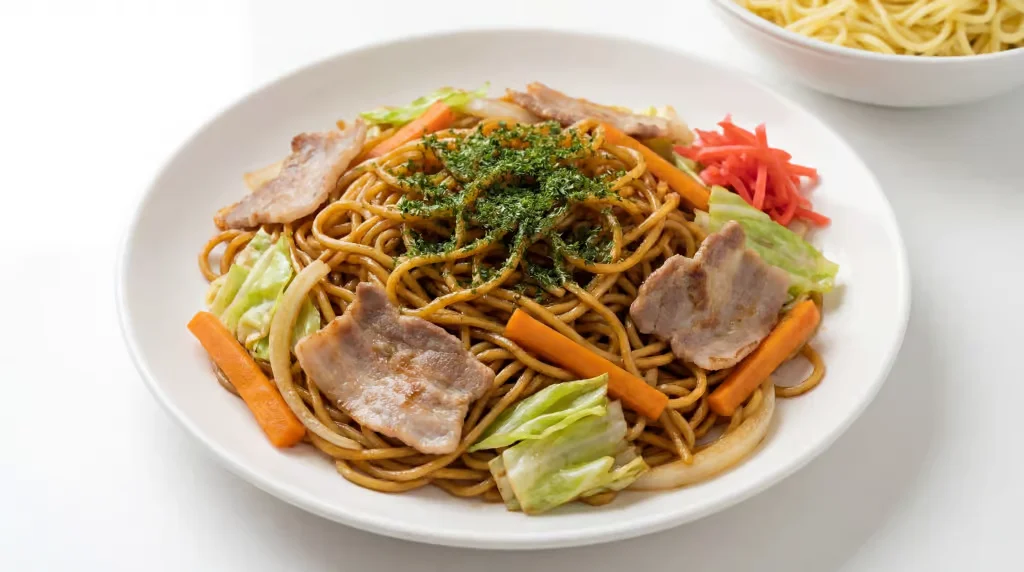
Looking for a quick, satisfying dinner that tastes like it came from a Japanese street food stall? This Japanese yakisoba recipe is exactly what you need. Whether you’re feeding picky kids, meal prepping for the week, or just craving something delicious in under 30 minutes—this authentic yakisoba noodles recipe delivers every single time.

My Japanese Yakisoba Story
I first tried Japanese yakisoba at a tiny food stall in Osaka’s Dotonbori district back in 2018. The cook was this elderly woman, maybe in her seventies, working a massive flat griddle with practiced ease. She tossed the noodles with one hand while adjusting the flame with the other. Smoke rose, the sauce sizzled, and the smell—honestly, I still think about it.
I ordered one serving. Then another. Then asked her (through broken Japanese and a lot of pointing) how she made that sauce. She laughed, handed me a small bottle of Bulldog sauce, and gestured at her ingredients. That thirty-second exchange changed my home cooking forever.
When I got back home, I spent weeks trying to recreate that exact flavor. I burned a lot of noodles. My smoke detector became my cooking timer. But eventually, I figured it out. This best yakisoba stir fry recipe is the result of all that trial and error.
Why This Japanese Yakisoba Recipe Wins

Here’s the thing about this easy yakisoba stir fry. It’s fast. Really fast. We’re talking 25 minutes from fridge to table.
The sauce is the secret weapon. Most store-bought yakisoba sauce packets taste flat. This homemade yakisoba sauce has depth—sweet, tangy, a little smoky. Your family won’t believe you made it yourself.
It’s flexible too. Chicken, pork, shrimp, tofu—whatever protein you’ve got works beautifully. Same goes for vegetables. This yakisoba with vegetables adapts to whatever’s in your crisper drawer.
And cleanup? One pan. That’s it. On a Tuesday night after work, that matters.
Ingredients You’ll Need for Authentic Japanese Yakisoba
The Noodles
- 1 pound fresh yakisoba noodles – Found in the refrigerated Asian section. Dried ramen works as a backup, but fresh is better.
- 1 tablespoon vegetable oil – For separating the noodles before cooking.
The Protein
- 12 ounces boneless chicken thighs, sliced thin – This quick yakisoba with chicken uses thighs because they stay juicy. Breast dries out too fast.

The Vegetables
- 2 cups shredded cabbage – The backbone of traditional Japanese stir fried noodles.
- 1 large carrot, julienned – Adds sweetness and crunch.
- 4 green onions, cut into 2-inch pieces – Both white and green parts.
- 1 cup bean sprouts – Optional but traditional.
The Homemade Yakisoba Sauce
- 3 tablespoons Worcestershire sauce – The tangy base.
- 2 tablespoons oyster sauce – Adds umami depth.
- 1 tablespoon soy sauce – For saltiness.
- 1 tablespoon ketchup – Sounds weird, tastes right. Trust me.
- 1 teaspoon sugar – Balances the tang.
- 1/2 teaspoon ground white pepper – Subtle heat.
For Garnish
- Pickled ginger – Beni shoga if you can find it.
- Aonori seaweed flakes – That authentic finishing touch.
- Bonito flakes – They dance on the hot noodles. Kids love this.
How I Make Japanese Yakisoba

Step 1: Prep Everything First
Slice your chicken thin—about quarter-inch strips. Cut all your vegetables. Mix your sauce ingredients in a small bowl. Japanese yakisoba comes together fast once you start cooking, so having everything ready matters.
Step 2: Loosen Those Noodles
Fresh yakisoba noodles come stuck together in a brick. Run them under warm water for 30 seconds, then gently separate with your fingers. Toss with a little oil. This prevents clumping in the pan.
Step 3: Cook the Protein
Heat your largest skillet or wok over high heat. Add 2 tablespoons oil. When it shimmers, add the chicken in a single layer. Don’t touch it for 2 minutes. Let it get golden underneath. Flip, cook another minute. Remove to a plate.
Step 4: Stir Fry the Vegetables
Same pan, add another tablespoon of oil. Cabbage and carrots go in first—they need 3 minutes. Then green onions and bean sprouts for just 1 minute. Keep everything moving.
Step 5: Bring It All Together
Push vegetables to the sides. Add noodles to the center. Let them sit for 30 seconds to get a little char. This is the secret to great Japanese yakisoba—you want some of those slightly crispy bits.
Pour the sauce over everything. Add the chicken back. Toss everything together for about 2 minutes until the sauce coats every strand.
Step 6: Serve Immediately
Transfer to plates while it’s still sizzling. Top with pickled ginger, seaweed flakes, and bonito. The bonito flakes will wave in the steam. It’s dinner theater.
Equipment That Makes a Difference
You don’t need fancy gear for this easy yakisoba stir fry, but a few things help:
- Large carbon steel wok – Gets screaming hot and distributes heat evenly. A 14-inch flat-bottom wok is perfect for home stoves.
- Wide metal spatula – Those thin fish spatulas work great for tossing noodles without breaking them.
- Mise en place bowls – Seriously. Little prep bowls keep you organized when things move fast.
A regular 12-inch skillet works fine though. My grandmother made Japanese yakisoba in a beat-up nonstick pan for decades. Good technique beats fancy equipment.
Tips That Make a Difference
High heat is non-negotiable. Yakisoba needs intense heat to get that slightly charred, smoky flavor. Low heat gives you steamed, soggy noodles. Nobody wants that.
Don’t overcrowd the pan. If your pan is small, cook in batches. Crowding drops the temperature and you end up with boiled rather than stir-fried noodles.
The sauce should sizzle. When you add it, you want to hear that aggressive hiss. That’s caramelization happening. That’s flavor developing.
Taste as you go. Different brands of Worcestershire sauce have different salt levels. Adjust with more soy sauce or a pinch of sugar as needed.
Easy Variations for Your Japanese Yakisoba
Vegetarian Yakisoba
Skip the oyster sauce (use mushroom sauce instead) and swap chicken for extra-firm tofu. Press the tofu first to remove water, then cube and fry until golden before adding to the noodles.
Seafood Yakisoba
Shrimp and squid are traditional options. Add them after the vegetables and cook just until the shrimp turn pink. Overcooking makes them rubbery.
Spicy Yakisoba
Add 1-2 teaspoons of sriracha or Japanese rayu (chili oil) to the sauce. Or serve with shichimi togarashi on the side for those who want heat.
Loaded Yakisoba
Throw in mushrooms, bell peppers, snap peas, or corn. This yakisoba with vegetables adapts to whatever you’ve got. Clean out that vegetable drawer.
Storage and Reheating
Refrigerator: Store in an airtight container for up to 3 days. The noodles will soften a bit—that’s normal.
To reheat: Use a hot skillet, not the microwave. Add a splash of water and a drizzle of oil. Stir fry over high heat for 2-3 minutes. The microwave turns the noodles mushy. Trust me on this.
Can you freeze it? Technically yes, but I don’t recommend it. The vegetables get watery and the texture suffers. This authentic yakisoba noodles dish is best made fresh.
Japanese Yakisoba FAQs
What’s the difference between Japanese yakisoba and lo mein?
Both are stir-fried noodles, but they come from different places and use different sauces. Japanese yakisoba uses a tangy Worcestershire-based sauce. Chinese lo mein uses a soy sauce and sesame-based sauce. The flavor profiles are completely different. Yakisoba is tangier with sweet notes. Lo mein is more savory and nutty.
Can I use regular spaghetti instead of yakisoba noodles?
In a pinch, yes. Cook the spaghetti al dente, rinse with cold water to stop cooking, and toss with oil. It won’t be exactly the same—yakisoba noodles have a chewier texture—but it works when you can’t find the real thing.
Why are my noodles soggy?
Three possible reasons. Your pan wasn’t hot enough. You overcrowded the pan. Or you added too much sauce. For the best yakisoba stir fry, you need screaming hot heat and enough room for moisture to evaporate quickly.
Is yakisoba sauce the same as okonomiyaki sauce?
They’re similar—both are Worcestershire-based Japanese sauces—but okonomiyaki sauce is thicker and slightly sweeter. You can substitute in a pinch, but homemade yakisoba sauce gives you more control over the flavor.
What protein works best with Japanese yakisoba?
Pork belly is the traditional choice in Japan. Chicken thighs are my go-to because they’re easier to find and cook quickly. This quick yakisoba with chicken is what I make most weeknights. Shrimp works great for a lighter option. Tofu is perfect for vegetarian versions.
A Final Note
This Japanese yakisoba recipe isn’t about perfection. It’s about getting a genuinely delicious, satisfying meal on the table without stress. The first time you make it, your noodles might stick a little. Your sauce might be slightly too tangy. That’s okay.
By the third or fourth time, you’ll have it dialed in. You’ll know exactly how your stove heats, how your pan responds, how much sauce your family likes. That’s when traditional Japanese stir fried noodles becomes part of your regular rotation.
And someday, maybe you’ll be the one teaching someone else how to make it—passing along a small bottle of sauce and a few gestures, just like that woman in Osaka did for me.
Now stop reading and go make some yakisoba.
This post may contain affiliate links which means I may earn commissions for purchases made through links at no extra cost to you.
*See https://asianfoodsdaily.com/disclaimer/* for more infomation
Post your Comment
0 Comments
No comments yet. Be the first to share your thoughts!