The History and Evolution of Boba Tea

Chewy black tapioca pearls resting under ice cold black tea and creamy milk. Piercing the sealed plastic film with an oversized straw. The satisfying pop as the straw breaks the tension, followed by that first mouthful of cool, sweet tea and springy pearls. That ritual defines modern bubble tea. What began in the late nineteen eighties as a playful experiment inside central Taiwanese tea rooms has exploded into an international beverage empire valued at over three billion dollars. Today, boba tea anchors social gatherings across every continent, driving culinary innovation and inspiring intense consumer devotion.
My first batch of homemade boba was an absolute disaster. I boiled black tapioca pearls for fifteen minutes, drained them, and dumped them into a plain bowl. Within an hour, they turned rock hard. Gritty centers. Chalky skins. Completely unchewable. I had ignored starch retrogradation. Without a concentrated warm sugar syrup soak to lock moisture inside the gelatinized starch matrix, cooling tapioca pearls rapidly recrystallize into hard pebbles. That kitchen failure taught me respect for food chemistry. If you want to master the foundational broths, wok techniques, and starch traditions across Asia, explore our ++complete Chinese culinary guide++ and broader tea heritage before you fire your stove.
Two Competing Taichung and Tainan Tea Rooms Claim Boba Origin
The birth of bubble tea remains the subject of passionate debate and a decade long legal battle between two legendary Taiwanese establishments.
The first claimant is Chun Shui Tang, a teahouse founded in Taichung by Liu Han Chieh. Liu traveled to Japan in the early nineteen eighties, observing how Japanese coffee shops served iced coffee. He brought the technique home, shaking cold oolong and black tea in cocktail shakers to produce a rich froth of micro bubbles across the surface. In nineteen eighty eight, his product development manager, Lin Hsiu Hui, poured a cup of sweetened fen yuan tapioca pudding into her iced Assam tea during a staff meeting. The staff loved the combination, prompting the shop to add pearl milk tea to the menu, where it immediately became a runaway sensation.
The rival claim belongs to Hanlin Tea Room in Tainan, founded by Tu Tsong he. Tu noticed white tapioca balls for sale in the local Yamuliao traditional market in nineteen eighty six. Inspired by the white pearls, he cooked them and stirred them into chilled green and black tea, marketing the creation as pearl green tea. Tu later experimented with caramel brown sugar to create the dark pearls that dominate modern menus.
Both tea rooms spent ten years fighting in Taiwanese courts over trademark rights and historical precedence. In twenty nineteen, a court ruled that bubble tea represents an unpatentable cultural recipe, affirming that the drink belongs to everyone.
Cassava Starch Retrogradation Dictates Chewy QQ Pearl Elasticity
The heart of boba tea lies in its texture, celebrated throughout Taiwan as QQ, meaning delightfully bouncy, chewy, and springy. Achieving that springiness depends on the unique biochemistry of tapioca starch derived from the cassava root, known botanically as Manihot esculenta.
Cassava starch contains roughly seventeen percent amylose and eighty three percent amylopectin. According to ++cereal and tuber starch research in PMC12167104++, cassava starch displays higher swelling power, lower gelatinization onset temperatures, and distinct retrogradation properties compared to cereal starches. When dry pearls simmer in boiling water, water molecules penetrate the tightly packed granules, breaking hydrogen bonds and causing the amylose and amylopectin chains to unwind into a supple, translucent gel matrix.
The culinary challenge is starch retrogradation. As gelatinized pearls cool below fifty degrees Celsius, amylose polymers realign and recrystallize into rigid crystalline structures, causing the pearls to turn hard and chalky within four hours. Taiwanese tea masters prevent this staling by immediately submerging cooked, rinsed pearls into a warm, saturated brown sugar syrup bath. The high concentration of sucrose creates an osmotic environment that limits moisture loss and interferes with amylose recrystallization, keeping pearls soft and bouncy for up to six hours at room temperature. Never store cooked tapioca pearls inside a cold refrigerator, because chilling accelerates retrogradation dramatically.
Cup Sealing Machines and Wide Bore Straws Enabled Mass Mobility
Boba tea transformed from a sit down teahouse novelty into an everyday habit through two engineering innovations developed in Taiwan during the nineteen nineties.
The first breakthrough was the automated cup sealing machine. Early boba tea was served in open glasses or flimsy plastic cups with dome lids that spilled easily on motor scooters. Taiwanese engineers designed compact countertop machines that heat seal a thin plastic film hermetically over the top of disposable cups. This allowed customers to transport their iced tea safely in cup holders, bags, and bicycle baskets without a single drop leaking.
The second breakthrough was the wide bore plastic straw. Traditional drinking straws clogged instantly on twelve millimeter tapioca pearls, forcing customers to spoon the pearls out like soup. Hanlin Tea Room owner Tu Tsong he collaborated with local plastics manufacturers to fabricate oversized straws featuring a sharp angled tip. The angled tip punctured the taut heat sealed plastic film with a satisfying snap, while the wide barrel allowed whole tapioca pearls to travel smoothly up into the mouth alongside cold tea. That mechanical snap became the universal sensory cue of the boba ritual.
California Immigrant Communities Introduced Boba to Western Palates
Boba tea arrived in western markets through Taiwanese immigrant enclaves in California during the late nineteen nineties. The initial wave was anchored in Cupertino in Silicon Valley and Arcadia in the San Gabriel Valley outside Los Angeles.
Stores like Fantasia Coffee and Tea in Cupertino created social gathering hubs for young Asian Americans, offering a welcoming evening space outside school, church, and sports. For second generation immigrants, hanging out at the local boba shop became a defining cultural touchstone, combining comfort foods, familiar music, and community connection.
Between two thousand and two thousand and ten, regional chains spread throughout metropolitan hubs with strong Asian diasporas, including Houston, San Francisco, Vancouver, and New York. The drink transitioned from an immigrant neighborhood secret into a mainstream youth phenomenon, celebrated across university campuses and shopping districts.
Brown Sugar Stripes and Savory Cheese Foam Sparked Flavor Innovation
During the twenty tens, boba tea expanded far beyond its original black tea, powdered creamer, and tapioca foundation. Culinary experimentation and social media visuals drove a worldwide flavor revolution.
The defining innovation of that era was brown sugar tiger milk tea, popularized by Taiwanese brand Tiger Sugar. Rather than pre mixing tea and milk, baristas painted the inside walls of clear cups with thick, caramelized brown sugar syrup. Pouring fresh cold whole milk and warm, syrup soaked tapioca pearls into the glass created dramatic dark stripes resembling tiger fur. The drink was designed for visual impact on smartphone screens, turning social media feeds into powerful marketing engines.
A parallel breakthrough was the invention of savory cheese foam, championed by brands like HeyTea. When I first tested cheese foam in my kitchen, I whipped the cream too stiff, creating a thick clod that would not flow. The trick I learned is beating fresh cream cheese, milk, heavy cream, and fine sea salt just until soft ribbon stage, creating a dense, velvety cap floating atop chilled oolong or green tea. Sipping the drink without a straw at a forty five degree angle delivers a savory, salty creaminess that contrasts brilliantly with the tannic, floral tea beneath. This balance of rich savory fat and sweet tea mirrors classic dessert combinations celebrated across Asia, from the salted coconut cream drizzling our ++authentic mango sticky rice++ to the chewy rice cake architecture of ++Korean tteokbokki++. You can discover more regional beverage pairings inside our ++Chinese food traditions hub++.
Beyond dairy foams, the topping menu diversified into fruit juice popping boba, herbal grass jelly made from Platostoma palustre, silky egg custard pudding, and crunchy aloe vera cubes, turning every cup into an interactive sensory experience.
Sustainable Materials and Sugar Customization Modernize Global Chains
As boba tea evolved into a multi billion dollar global commodity, the industry confronted serious health and environmental challenges.
Traditional bubble tea often contained excessive refined sugar, powdered non dairy creamers laden with hydrogenated oils, and artificial flavors. Modern chains responded by offering complete customizability. Customers routinely specify sweetness levels from zero to one hundred percent in twenty five percent increments, choose plant based oat or soy milks, and select single origin cold brewed teas such as high mountain Alishan oolong and Sun Moon Lake black tea.
The environmental footprint of single use plastics also sparked rapid industry reform. In response to global plastic bans, tea chains replaced petroleum based straws with compostable sugarcane fiber straws, paper alternatives, and reusable stainless steel formats. Many shops offer customer discounts for bringing reusable boba tumblers, balancing speed of service with ecological responsibility.
The global supply chain faced a dramatic test during spring twenty twenty one, an event nicknamed Bobageddon. A convergence of the Suez Canal blockage by the container ship Ever Given, historic droughts in Taiwan reducing factory water supplies, and severe shipping port backlogs left North American shops without tapioca pearls for months. The crisis exposed how heavily the world relies on Taiwanese manufacturing for finished tapioca pearls and Thai agricultural exports for raw cassava starch, sparking new investments in localized pearl production.
Artisanal Teas and Food Crossovers Shape the Future of Boba
The modern frontier of boba tea centers on premiumization and creative culinary crossovers. Leading tea bars in Taipei, Tokyo, London, and New York treat loose leaf teas with the same precision and terroir reverence as third wave coffee roasters, dialing in water mineral content and extraction temperatures to highlight delicate floral notes.
Simultaneously, boba flavor has leaped out of the cup and into mainstream food culture. Boba flavored ice cream bars, tapioca pearl pizzas, egg tarts stuffed with brown sugar boba, and tea scented pastries have appeared in bakeries and supermarkets across the globe. Ready to drink canned boba milk teas now stock grocery shelves, bringing the beloved Taiwanese beverage to convenience shoppers everywhere.
What remains constant across four decades of innovation is the elemental joy of the drink. The chewy resistance of the pearls, the cool sweetness of the tea, and the community warmth of the tea room continue to make boba one of the most dynamic ambassadors across our wider ++Chinese culinary collection++ and global food culture.
Frequently Asked Questions
Q: What gives tapioca pearls their dark brown color and chewy texture?
A: Raw tapioca starch extracted from the cassava root is naturally pure white and neutral in flavor. Manufacturers blend the raw starch with brown sugar syrup, water, and caramel coloring before rolling the dough into tiny spheres. The chewy springiness comes from gelatinizing the cassava starch in boiling water, while the dark amber hue comes from caramelization.
Q: How do you store cooked tapioca pearls so they do not turn hard?
A: Cooked tapioca pearls should be kept in a warm brown sugar syrup bath at room temperature, where they will remain soft and elastic for up to six hours. Never place cooked tapioca pearls in the refrigerator. Cold temperatures speed up starch retrogradation, causing the gel structure to crystallize into a hard, gritty center.
Q: What is the historical difference between bubble tea and boba tea?
A: The terms refer to the same family of drinks. Bubble tea is the broader international term that originally described the frothy bubbles created when tea was vigorously shaken with ice in cocktail shakers. Boba tea is a common regional term in North America that refers specifically to the large tapioca pearls resting at the bottom of the cup.
Q: Can you prepare boba tea with dairy free milk alternatives?
A: Boba tea pairs wonderfully with unsweetened oat milk, soy milk, and almond milk. Oat milk provides a naturally creamy body and subtle toasted sweetness that complements bold black tea bases, while soy milk offers a traditional pairing that reflects classic Taiwanese breakfast traditions.
About Asha
Half Asian, half African cook raised between two food-obsessed cultures. I've spent 10 years learning Asian cooking traditions through family, friends, and thousands of hours at the stove — testing every dish until it works in a standard home kitchen.
Read my full storyRecipes to Try

How to Make Delicious Korean Glass Noodles (Japchae)

The Best Korean Fried Chicken Recipe
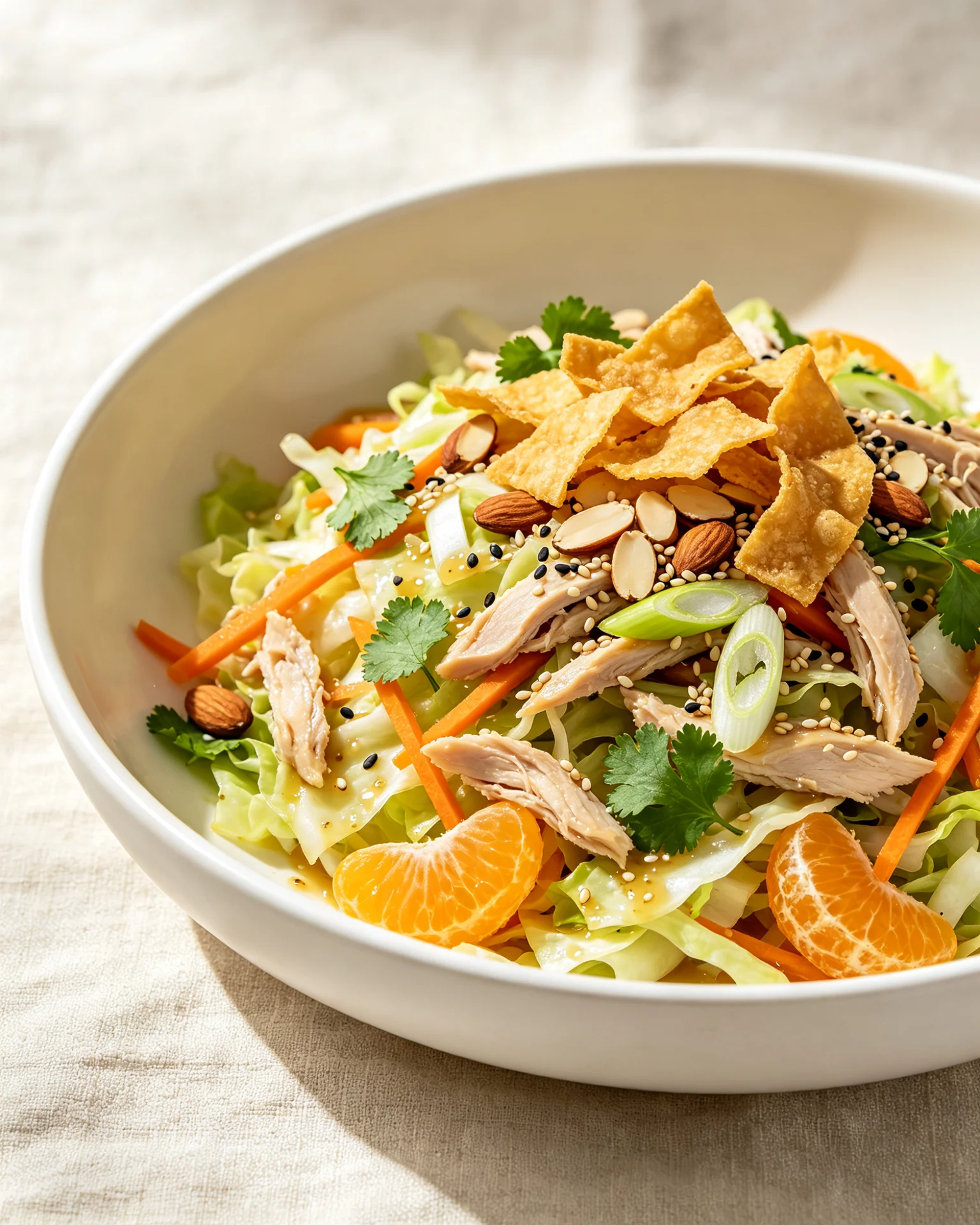
Chinese Chicken Salad Recipe

How to Make Sweet and Savory Sesame Chicken

Traditional Kimchi Jjigae Recipe with Pork Belly and Soft Tofu

Cantonese Congee Recipe (Jook / 粥)

How to Make Moo Goo Gai Pan at Home in 30 Minutes

How to Make Filipino Lechon- Roasted Pork
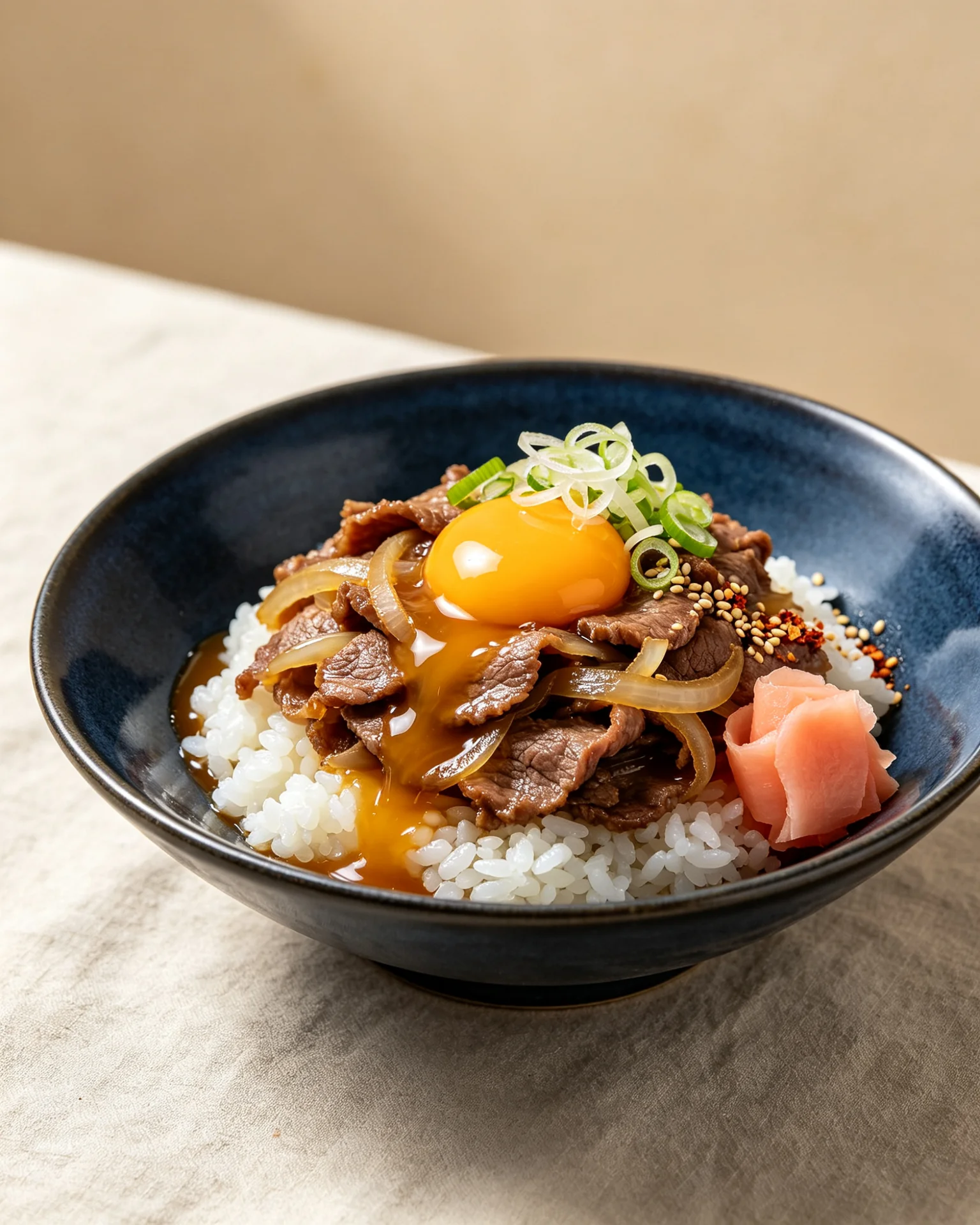
Gyudon Recipe (Japanese Beef Bowl)
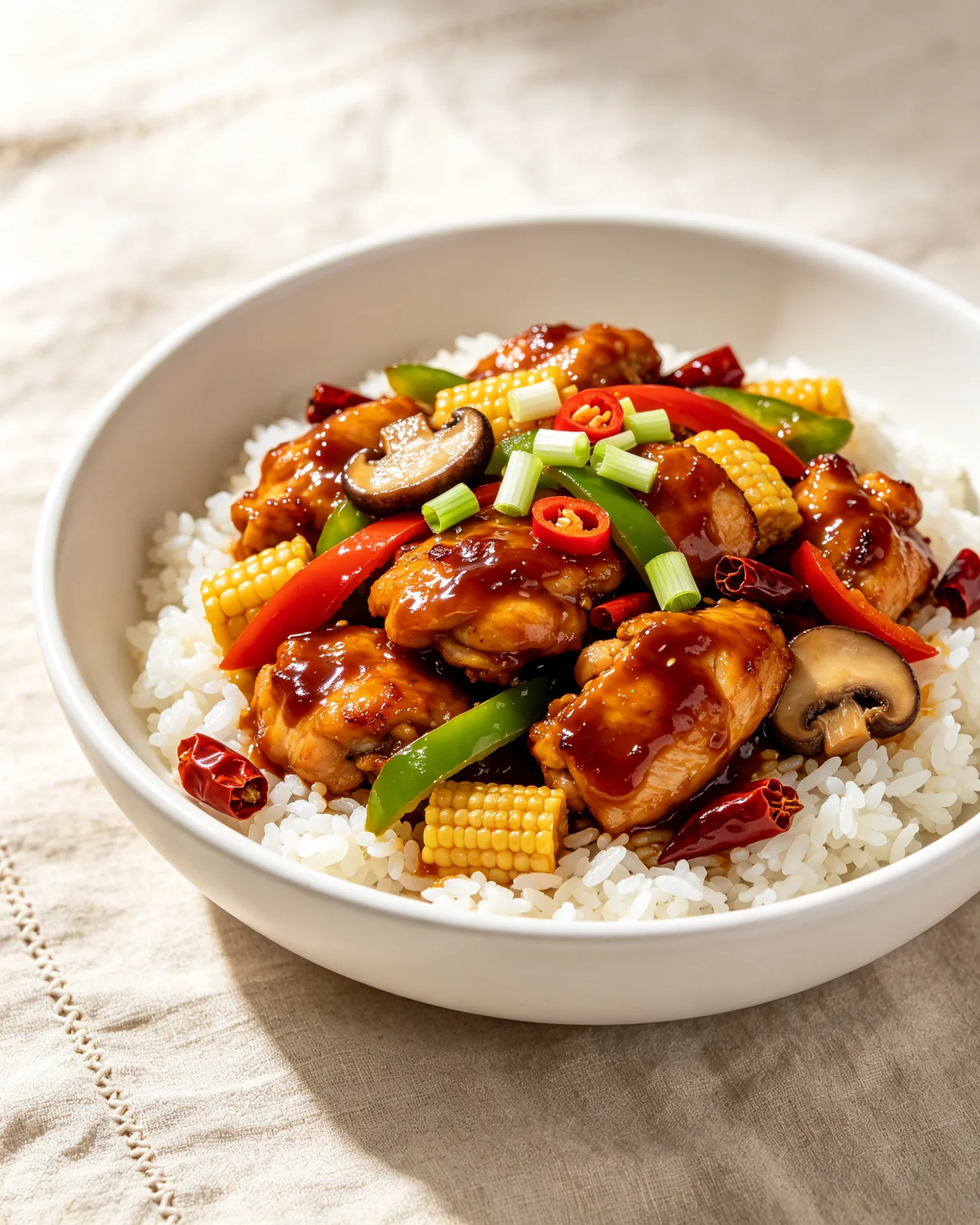
Hunan Chicken Recipe (Chinese Style)

Japanese Steakhouse Hibachi Chicken (Teppanyaki Style)

Loading comments...