
Authentic Kimchi Fried Rice Recipe (Kimchi Bokkeumbap)
20 min
Bold, fermented, spicy, and deeply savory — Korean food is some of the most satisfying I've ever cooked. Everything here has been tested to work in a home kitchen.
Korean home cooking centres on rice, fermented ingredients, and shared meals. Every home meal revolves around steamed short-grain white rice, one jjigae or guk, and two to three banchan served simultaneously at the table. Fermentation defines the flavour — kimchi, doenjang, gochujang, and ganjang are not condiments here, they are the building blocks of every dish. I've spent years testing Korean recipes in my own kitchen and this guide covers the techniques and ingredients that make the difference between a flat result and a dish that actually tastes Korean.
Blooming spices in oil: Before any liquid enters the pot, gochugaru and gochujang are fried in sesame oil for 60 to 90 seconds. Chili's key flavour compounds are fat-soluble — blooming them in oil extracts 3 to 4 times more flavour than adding them directly to stock. The visual signal is the oil shifting from pale orange to deep brick red.
Fermentation: Kimchi fermented for 4 to 6 weeks produces a completely different flavour than fresh kimchi. The lactic acid bacteria consume the sugars and concentrate the brine into something that transforms a stew within minutes of simmering. Doenjang, gochujang, and ganjang follow the same principle — time is the ingredient.
Building jjigae: Korean stews are built in layers — fat first, then protein, then kimchi or doenjang, then stock. Each layer is cooked before the next is added. This layering produces depth that cannot be achieved by adding everything to water at once.
Banchan preparation: Banchan are made in advance and served cold or at room temperature alongside every Korean meal. Spinach namul, kongnamul, pickled radish, and seasoned bean sprouts take 10 minutes each and last 3 to 4 days in the refrigerator.
20 min
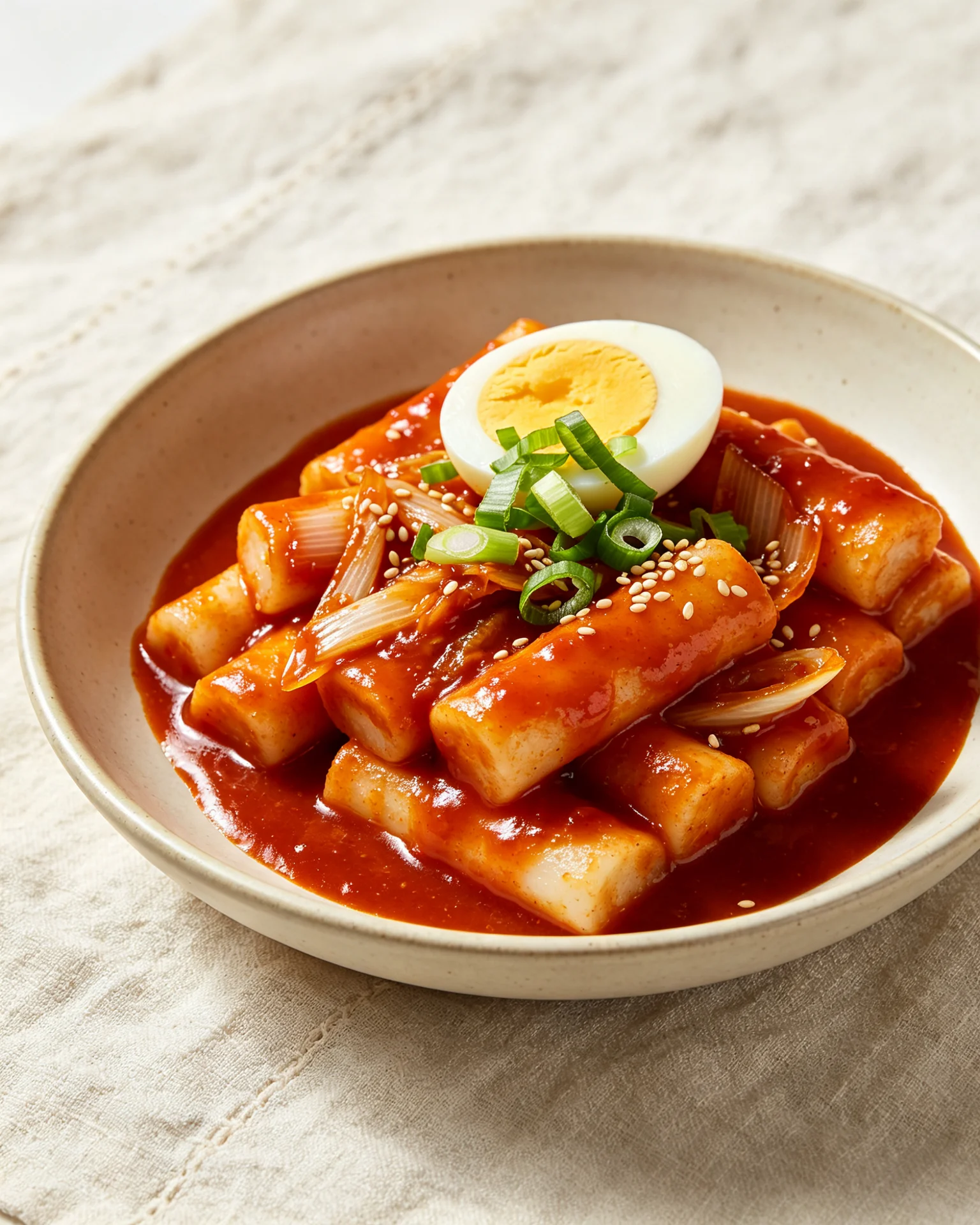
30 min
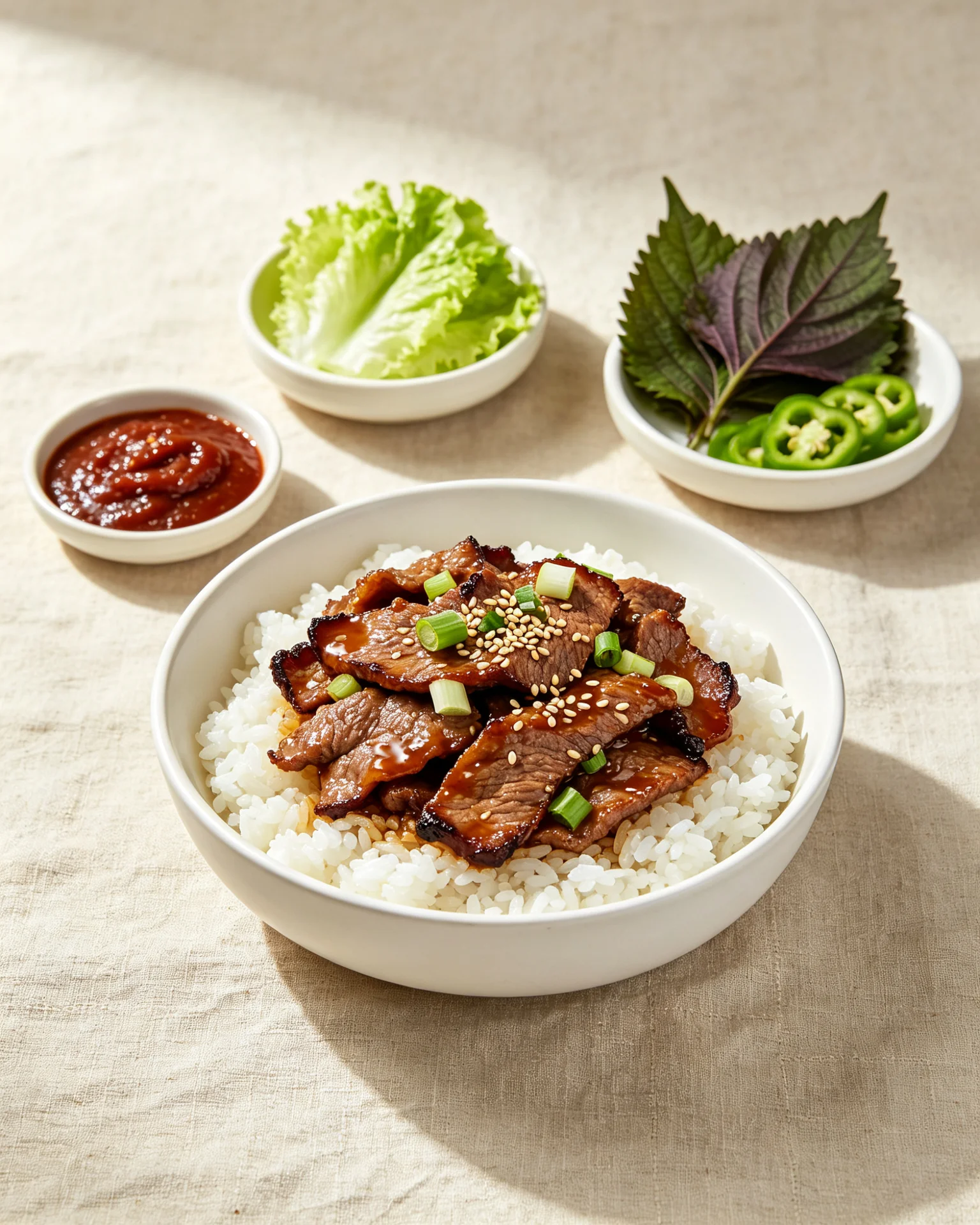
25 min

30 min


55 minutes


105 min

75 min

Jjigae is a thick, intensely flavoured stew served bubbling hot in a stone pot at the centre of the table — shared by everyone. Guk is a lighter, broth-based soup served in individual bowls alongside rice. Jjigae determines the meal. Guk accompanies it.
Yes for most dishes. Gochugaru, gochujang, doenjang, and anchovy stock packets are available on Amazon and in most Asian grocery stores. The one ingredient worth sourcing properly is gochugaru — standard chili flakes will not work.