What Is Fish Sauce and How Do You Use It
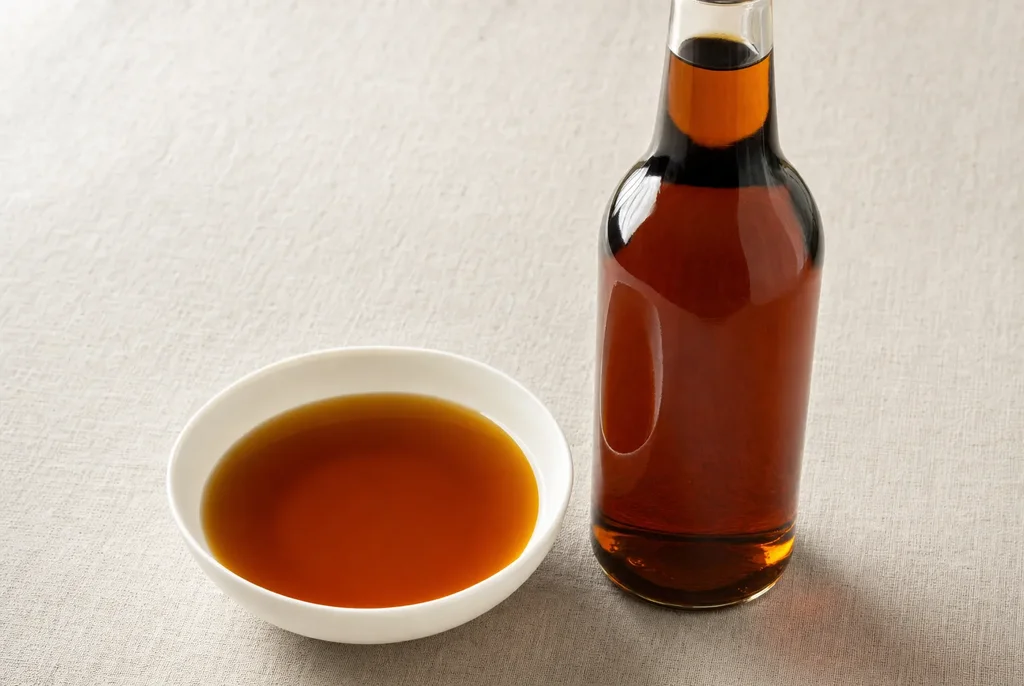
Fish sauce is the ingredient most home cooks are afraid of until the first time they use it correctly — and then they put it in everything. I kept it at arm’s length for the first two years I was cooking Asian food seriously. It smelled wrong straight from the bottle. I added it to a dish once and it tasted like the sea had gone bad. Then I watched my friend’s mother add it off the heat to a pot of dal, stir once, and produce something that tasted like it had been cooking for days longer than it had. I stopped being afraid of it that day.
It is not a fishy ingredient when used correctly. It is an umami ingredient. That distinction is everything.
What is fish sauce made from?
Fish sauce is made by packing small fish — almost always anchovies — in salt and leaving them to ferment in sealed barrels or vats for a minimum of 12 months and up to 3 years. The salt draws moisture from the fish, lactic acid bacteria break down the proteins, and the resulting liquid is drained, filtered, and bottled. What you are buying is the concentrated byproduct of that fermentation — a liquid dense with glutamates, the naturally occurring compounds responsible for umami flavour.
The first pressing — drawn off after 12 to 24 months (1 to 2 years) — is the highest quality. It is lighter in colour, perfectly clear, and has the most complex flavour. This is what Red Boat 40°N labels as “first press” and why it costs more. The second and third pressings are darker, more pungent, and used for general cooking rather than finishing and dipping. According to Wikipedia’s entry on fish sauce, fermented fish condiments have been used across Asia and the Mediterranean for over 2,000 years — making it one of the oldest flavour-enhancing ingredients in human cooking history.
Why doesn’t fish sauce taste fishy when you cook with it?
Fish sauce stops tasting fishy when the glutamates disperse into the dish and the volatile compounds responsible for the raw, pungent smell evaporate with heat. What remains is pure umami — the same mechanism that makes anchovies disappear into a pasta sauce, leaving only depth behind.
The smell from the bottle is not representative of what the ingredient does in a dish. I made this mistake exactly once — adding a tablespoon to a soup and tasting it immediately after. It tasted like fish sauce. I added it again to a different batch, stirred it through a hot broth, let it cook for 2 minutes, tasted again. The fishiness was gone. What remained was a depth I could not have added with salt alone.
The one exception: adding fish sauce to a finished dish after removing from heat and then not stirring it through properly. In that case the glutamates don’t disperse and you get pockets of intensity rather than even seasoning. Stir it through completely.
When do you add fish sauce and why does timing matter?
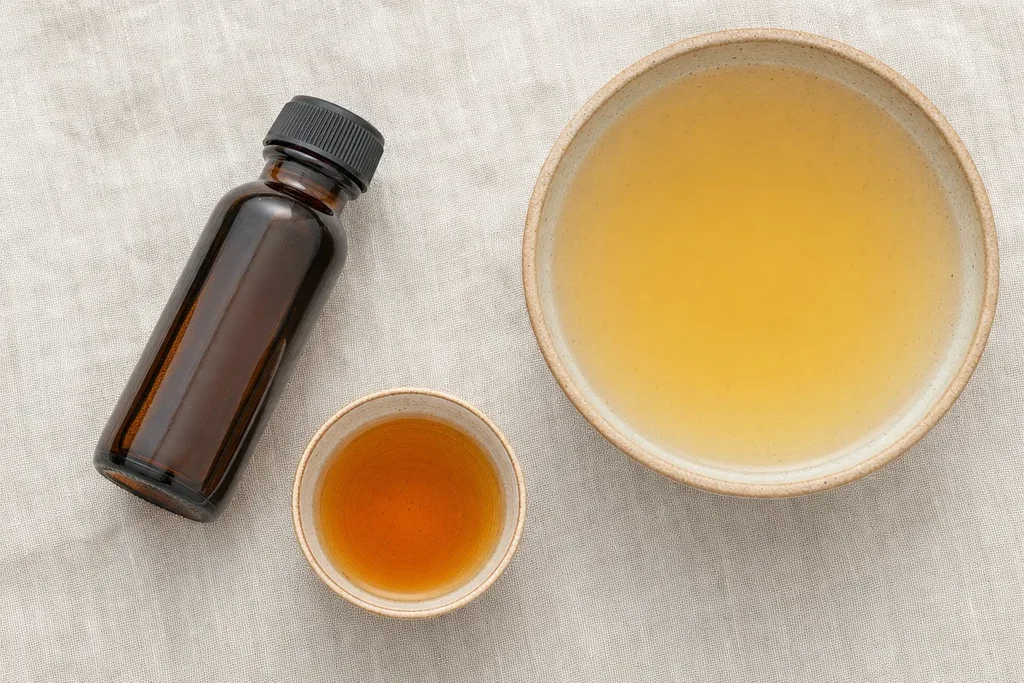
Fish sauce goes in at the end of cooking — off the heat or in the final 30 seconds. Adding it too early and cooking it at high heat for extended periods degrades the glutamate compounds and reintroduces the fishy quality you are trying to avoid. It also turns bitter if it scorches.
I learned this the hard way with my first attempt at kimchi-jjigae. I added fish sauce at the same time as the stock and simmered everything together for 15 minutes. The broth had an underlying bitterness I could not identify. The second batch I added it off the heat, stirred once, and served immediately. The bitterness was gone. The umami depth stayed.
The rule is simple: fish sauce finishes, it does not cook. Think of it the way you think of sesame oil — a finishing ingredient added at the end to preserve its character, not a base you build a dish in.
How does fish sauce differ across Asian cuisines?
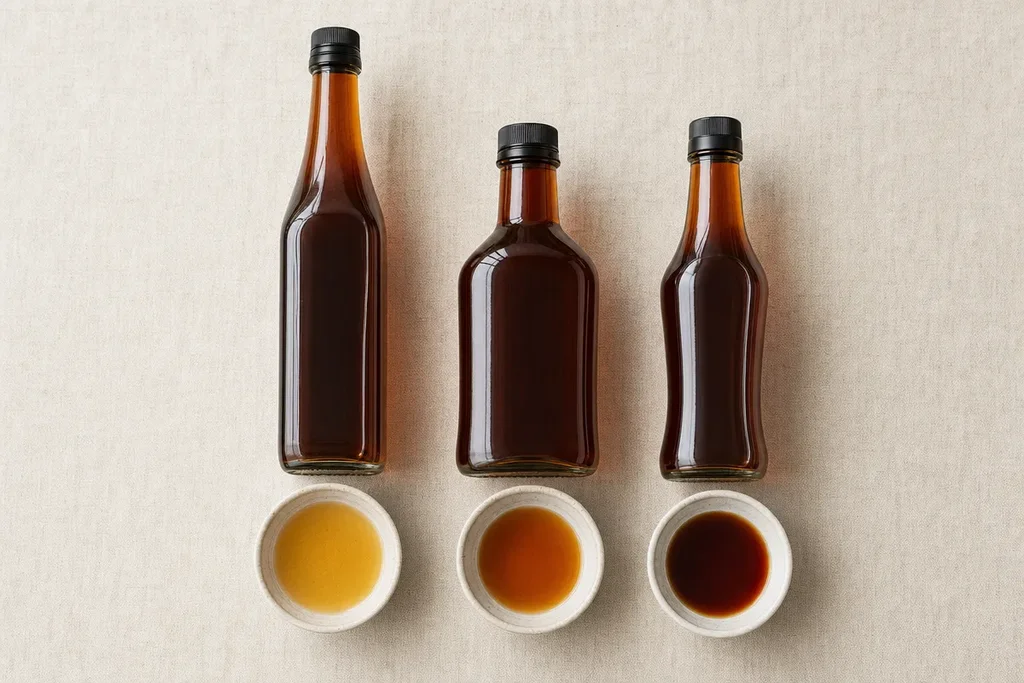
Fish sauce is not one ingredient — it is a category. Vietnamese, Thai, Filipino, and Korean fish sauces are all distinct in fermentation period, salt concentration, and the specific fish used. The differences matter when cooking authentically.
Vietnamese fish sauce (nước mắm): The most complex and widely available. Made primarily from anchovies, fermented 12 to 24 months (1 to 2 years). Red Boat 40°N is the benchmark — black anchovies and sea salt, nothing else. Used in pho broth, nuoc cham dipping sauce, and most Vietnamese marinades. See the Vietnamese cooking guide for more.
Thai fish sauce (nam pla): Slightly lighter and less complex than Vietnamese. Fermented 12 to 18 months (1 to 1.5 years). Tiparos and Megachef are reliable everyday brands. Used in pad thai sauce, som tam dressing, and Thai curries. See the Thai cooking guide for more.
Filipino fish sauce (patis): The most pungent of the three. Made from fermented anchovies or shrimp, with a stronger, more assertive flavour. Datu Puti is the standard brand. Used as a table condiment and cooking seasoning throughout Filipino dishes. See the Filipino cooking guide for more.
Korean fish sauce (myeolchi-aekjeot): Lighter than Vietnamese, used primarily in kimchi-making rather than as a cooking seasoning. Added to the kimchi paste alongside salted shrimp to build the fermented base. See the Korean cooking guide for more.
What does fish sauce do that soy sauce doesn’t?
Both are fermented, both are salty, both add umami. The difference is in the glutamate composition. Fish sauce contains inosinate in addition to glutamate — the combination produces a synergistic umami effect that is more intense and more complex than glutamate alone. Soy sauce contains only glutamate.
According to food science research published on ScienceDirect, the glutamate-inosinate combination in fish sauce produces umami intensity up to 8 times greater than either compound alone — which is why a single teaspoon seasons an entire dish.
In practical terms: soy sauce adds depth and saltiness. Fish sauce adds depth, saltiness, and a roundness that soy sauce alone cannot replicate. You can replace fish sauce with soy sauce in a cooked dish at a 1:1 ratio and get close. You cannot replace soy sauce with fish sauce in dishes where colour matters — fish sauce will not give you the dark colour that soy sauce produces in braises and fried rice.
Can you substitute fish sauce?
There is no substitute that replicates the glutamate-inosinate combination exactly. For vegetarian cooking: combine 1 tablespoon soy sauce with ¼ teaspoon finely minced dried shiitake mushroom powder. This approximates the synergistic umami effect without fish. For an emergency substitute in cooked dishes: 1 tablespoon soy sauce plus a small pinch of salt at a 1:1 ratio.
For kimchi specifically — there is no adequate substitute. The fermentation process depends on the specific bacterial cultures and protein compounds that fish sauce contributes. Vegan kimchi uses different organisms and produces a different fermentation result. Not wrong, but not the same dish.
How do you store fish sauce and how long does it last?
An opened bottle of fish sauce keeps at room temperature for up to 3 to 4 years stored away from direct heat and light. The salt concentration — typically 20 to 25% — is high enough to prevent spoilage. The colour will deepen over time as the liquid oxidises. This is normal, not a sign of spoilage.
Keep it in a cool cupboard rather than the refrigerator. Refrigeration is not necessary and can cause crystallisation around the cap. The one sign that fish sauce has genuinely gone off: an ammoniacal smell rather than a briny, savoury one. That smell means the proteins have broken down past the point of usability.
FAQ
What is fish sauce used for? Fish sauce is used as a finishing seasoning in Vietnamese, Thai, Filipino, and Korean cooking — added off the heat to add umami depth without fishiness. It seasons dipping sauces, marinades, stir-fries, soups, and kimchi paste. A small amount — 1 teaspoon to 1 tablespoon — seasons an entire dish without making it taste of fish.
Why does fish sauce smell so strong but not taste fishy in cooked dishes? The pungent smell comes from volatile compounds that evaporate during cooking. What remains after heat are glutamates and inosinates — the umami compounds — which disperse into the dish and add depth without fishiness. The smell from the bottle is not representative of the flavour in a finished dish.
What is the best fish sauce brand? Red Boat 40°N is the benchmark for Vietnamese fish sauce — first press, two ingredients only, complex and clean. For Thai cooking, Megachef and Tiparos are reliable everyday options. For Filipino cooking, Datu Puti patis is the standard. For Korean kimchi-making, myeolchi-aekjeot (anchovy fish sauce) is the correct type.
Can you substitute fish sauce with soy sauce? Yes for cooked dishes at a 1:1 ratio. Soy sauce provides glutamate-based umami but lacks the inosinate that gives fish sauce its synergistic depth. The result is close but not identical. For vegetarian cooking, combine soy sauce with a small amount of dried shiitake mushroom powder to better approximate the full umami profile.ur article here…
About Asha
Half Asian, half African cook raised between two food-obsessed cultures. I've spent 10 years learning Asian cooking traditions through family, friends, and thousands of hours at the stove — testing every dish until it works in a standard home kitchen.
Read my full storyRecipes to Try

Chinese Beef Stir Fry Recipe (Oyster Sauce)
Chinese Eggplant with Garlic Sauce (鱼香茄子)

Chinese Egg Stir Fry Noodles Recipe with Savory Garlic Sauce

Japanese Katsu Bowl with Tonkatsu Sauce
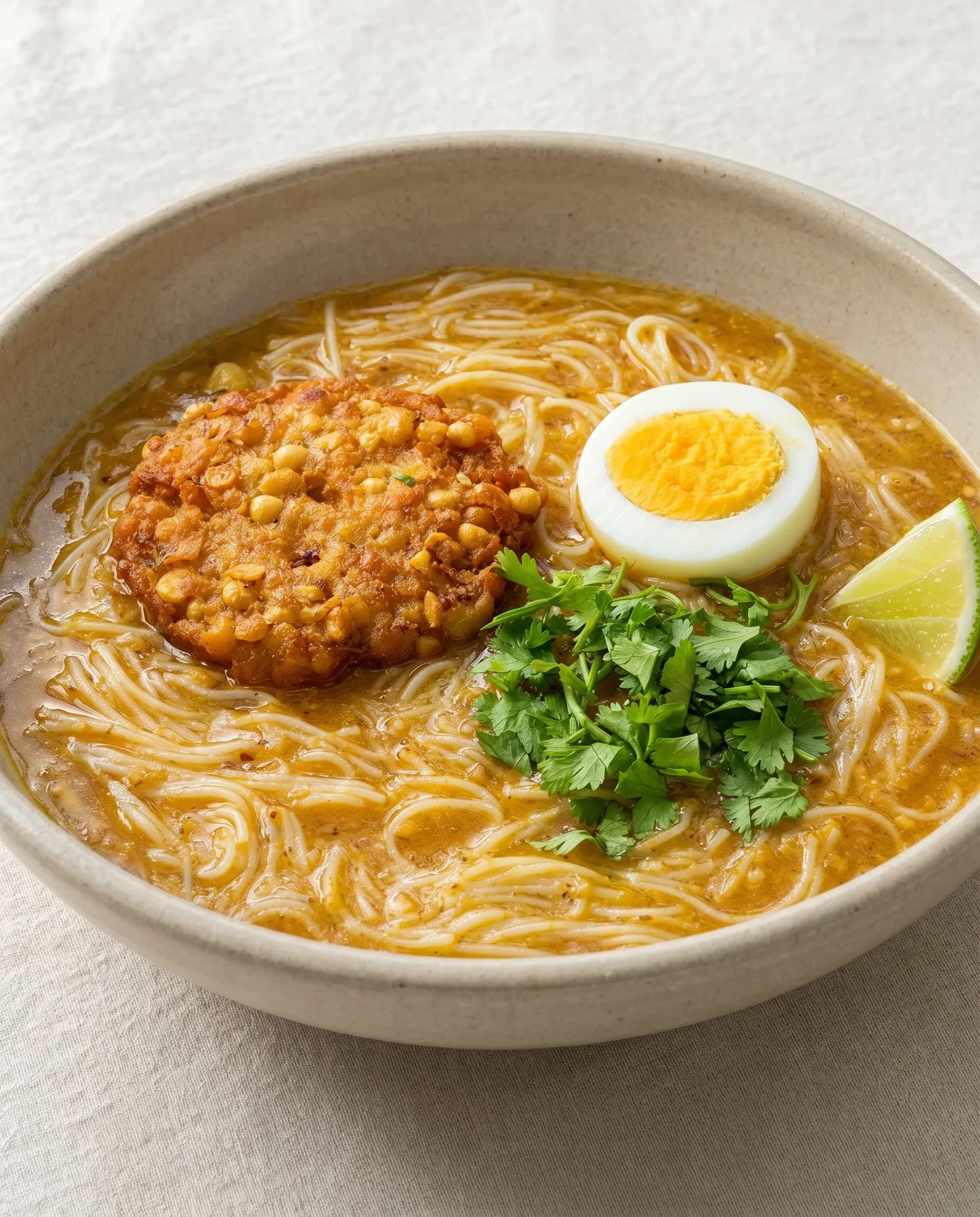
Mohinga Recipe — Burmese Fish Noodle Soup
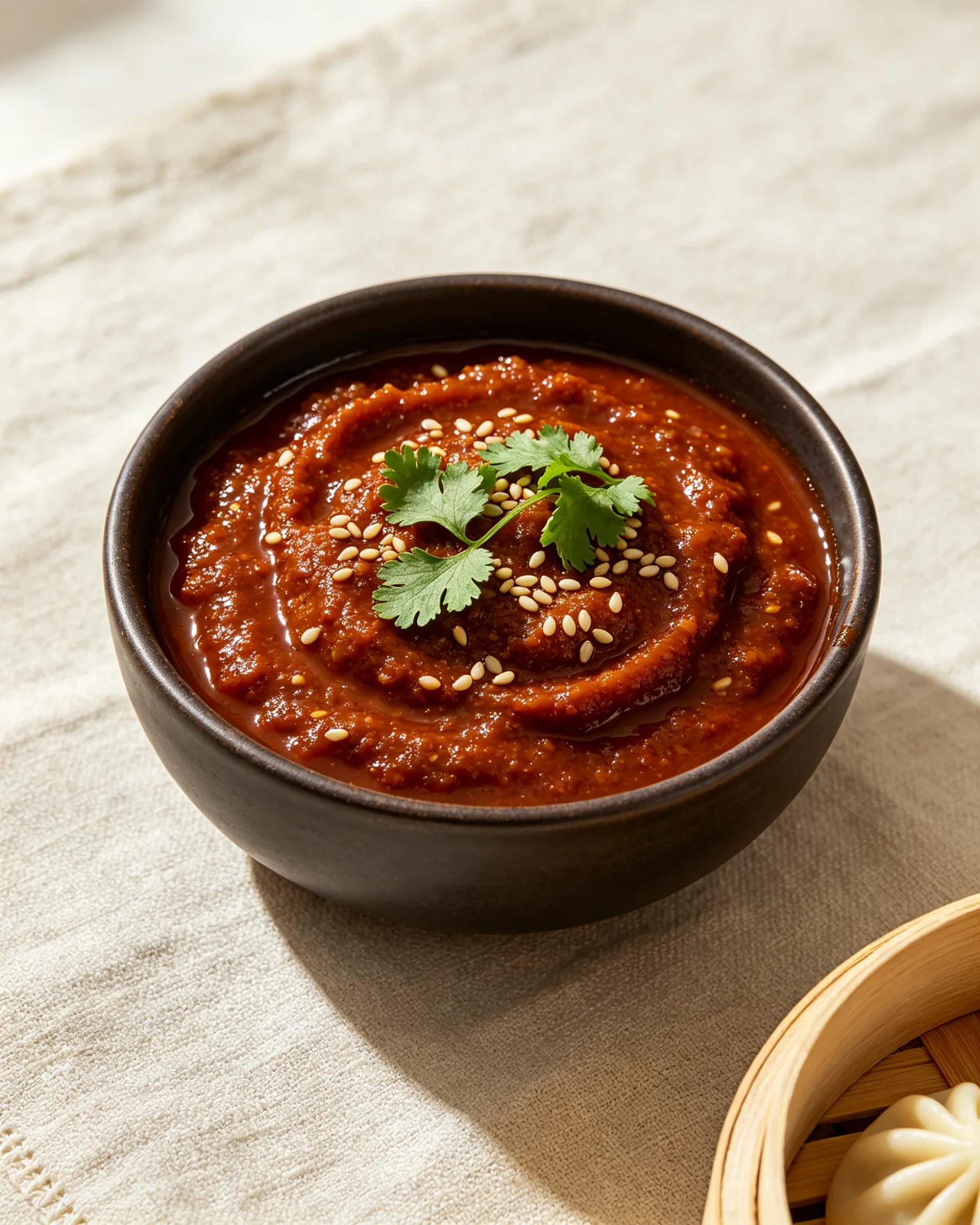
Momo Achar Recipe (Nepali Dipping Sauce)

Japanese Fried Fish Cakes (Satsuma- Age)

Classic Cantonese Shrimp and Bell Pepper Stir Fry in Wok Sauce

BBQ Tandoori Lamb Chops

General Tso's Chicken – Crispy Chinese Takeout Recipe

Easy Corn Chaat Recipe: Quick & Spicy Indian Street Food Snack

Loading comments...