Japanese Katsu Bowl with Tonkatsu Sauce

Jump to Section
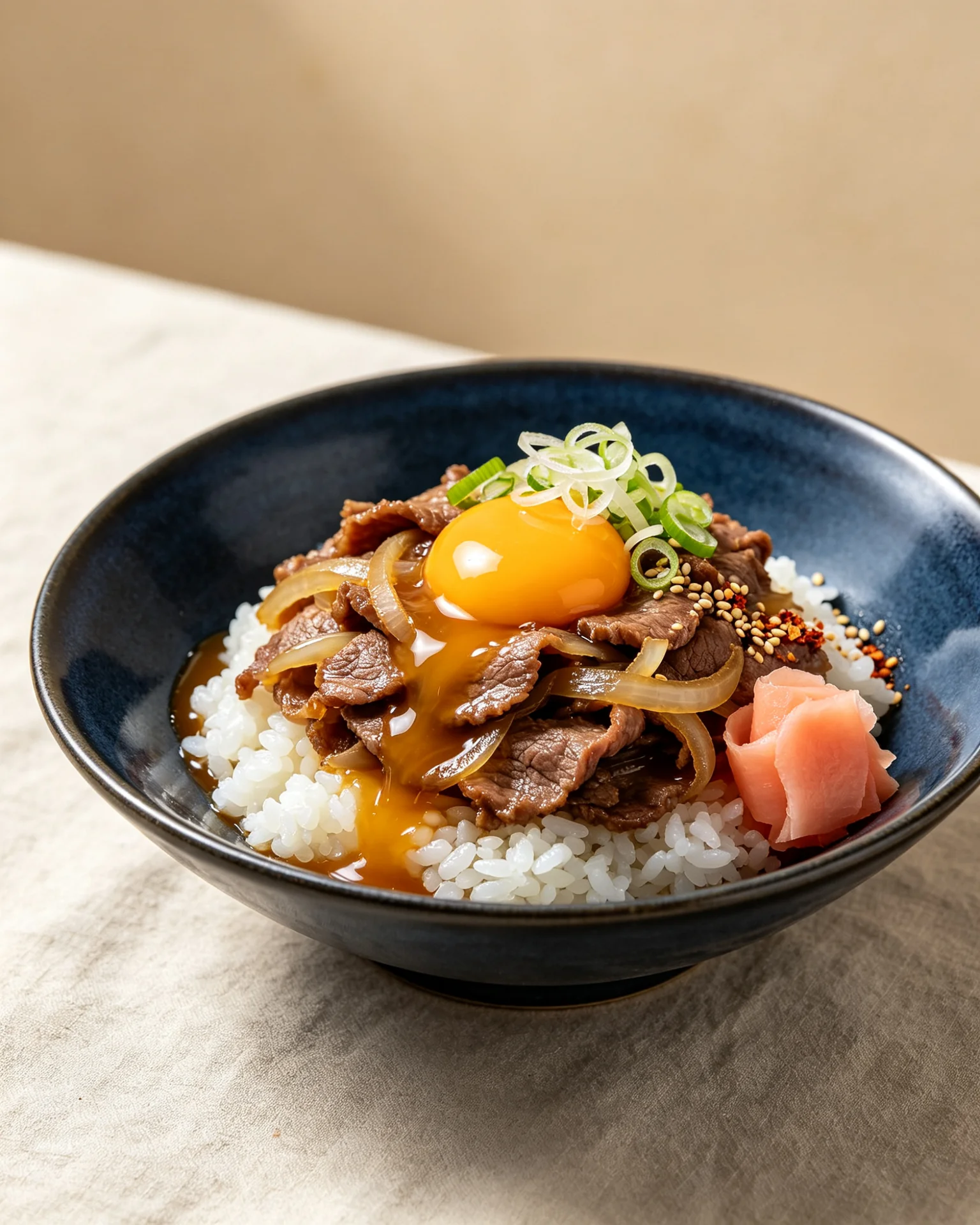
Japanese Katsu Bowl (Katsudon) features a crispy, panko-breaded pork cutlet (Tonkatsu) simmered in a savory-sweet dashi broth with onions and eggs, served over a bed of steamed white rice. This dish represents the pinnacle of Japanese comfort food, balancing the “umami” of the broth with the textural contrast of fried pork and soft-scrambled eggs.
What Is Katsudon?
A Japanese Katsu Bowl, or Katsudon, is a popular “donburi” (rice bowl) dish. The name is a portmanteau of Tonkatsu (pork cutlet) and Donburi. Unlike a dry fried cutlet, the traditional Katsudon involves briefly simmering the fried pork in a mixture of dashi, soy sauce, and mirin, then binding it with a lightly beaten egg. This process softens the breading just enough to absorb the savory broth while retaining a core of crispness.
Why This Recipe Works
- Textural Synergy: The combination of crunchy panko, tenderized pork, and silken eggs creates a complex mouthfeel.
- Umami Depth: The use of dashi (seaweed and bonito stock) provides a foundational savory layer that elevates the sweetness of the onions and mirin.
- Efficiency: By utilizing a single-pan simmering technique, the flavors of the pork and broth are integrated immediately before serving.
Ingredients You’ll Need For Japanese Katsu Bowl

The Tonkatsu (Pork Cutlet)
- Pork: 2 boneless pork loin chops (approx. 1/2 inch thick).
- Breading: ½ cup All-purpose flour, 1 large egg (beaten), 1 cup Panko (Japanese breadcrumbs).
- Seasoning: Kosher salt and freshly ground black pepper.
- Frying Medium: Neutral oil with a high smoke point (Canola, Grapeseed, or Vegetable oil).
The Simmering Sauce and Toppings
- Aromatics: ½ medium yellow onion, thinly sliced.
- Liquid Base: ½ cup Dashi (or chicken stock if dashi is unavailable).
- Seasoning: 1 ½ tbsp Soy sauce, 1 tbsp Mirin, 1 tsp Sugar.
- Binding: 2 large eggs, lightly whisked (do not over-mix).
- Garnish: Sliced scallions or Mitsuba (Japanese parsley).
Equipment
- Heavy-bottomed skillet or deep fryer: For frying the pork.
- Small non-stick frying pan (Donburi pan): Ideally 6–8 inches for individual portions.
- Meat mallet: For tenderizing.
- Wire cooling rack: To prevent the fried pork from becoming soggy.
How to Make Katsudon (Step-by-Step)

Step 1: Pound the pork chops
Prep the Pork: Pound the pork chops to an even ½-inch thickness. Score the connective tissue between the meat and fat to prevent curling. Season with salt and pepper.
Step 2: Coat the pork in
Dredging Station: Coat the pork in flour (shake off excess), dip in the beaten egg, and press firmly into the panko breadcrumbs.
Step 3: Heat oil to 340°F
Fry the Cutlet: Heat oil to 340°F (170°C). Fry the pork for 3–4 minutes per side until golden brown. Rest on a wire rack for 2 minutes, then slice into 1-inch strips.
Step 4: In a small skillet
Prepare the Sauce: In a small skillet, combine dashi, soy sauce, mirin, sugar, and sliced onions. Bring to a simmer over medium heat until onions are translucent.
Step 5: Place the sliced pork
The Assembly: Place the sliced pork cutlet directly on top of the simmering onions.
Step 6: Slowly pour the whisked
The Egg Pour: Slowly pour the whisked eggs over the pork and broth. Cover the pan with a lid for 30–60 seconds until the egg is set but still slightly runny (custard-like).
Step 7: Slide the entire contents
Serve: Slide the entire contents of the pan over a bowl of hot steamed rice. Garnish with scallions.
Pro Tips For Perfect Katsudon

- Oil Temperature: Use an instant-read thermometer. If the oil is too cold, the panko absorbs excess grease; too hot, and the exterior burns before the pork is cooked.
- The “Half-Set” Egg: For an authentic experience, the egg should be “Juku-juku” (soft and runny). Do not overcook the egg into a hard omelet.
- Fresh Panko: If possible, use “Nama Panko” (fresh breadcrumbs) for a lighter, airier crunch.
Common Mistakes to Avoid
- Crowding the Pan: Frying too many cutlets at once drops the oil temperature significantly.
- Skipping the Rest: Slicing the pork immediately after frying causes the juices to escape, making the meat dry.
- Over-mixing the Eggs: You want distinct streaks of white and yolk for the best texture and visual appeal.
Easy Variations
- Chicken Katsudon: Substitute pork loin with a pounded chicken thigh or breast.
- Baked Katsu: For a lower-calorie version, toast the panko in a pan with a little oil before breading and baking the pork at 400°F.
- Sauce-Katsu: Skip the egg and simmering process; simply drizzle the fried cutlet with a thick, Worcestershire-based Tonkatsu sauce.
Serving Suggestions
Serve with a side of Miso Soup and Tsukemono (Japanese pickles) to cleanse the palate. A side of shredded raw cabbage with a sesame dressing is the traditional accompaniment for the fried cutlet.
Storage and Reheating
- Storage: Store the fried pork and the rice separately in airtight containers for up to 2 days.
- Reheating: To maintain crispness, reheat the pork in an air fryer or oven at 350°F. The rice and sauce are best reheated in a microwave or on the stovetop. Note: Once the egg is added, the dish does not reheat well as the texture becomes rubbery.
Nutrition Information (Per Serving)
- Calories: 650–750 kcal
- Protein: 35g
- Carbohydrates: 70g
- Fat: 25g
- Sodium: 1,200mg (Note: Values are estimates based on standard portion sizes.)
Love Japanese food?
Check out my complete guide to Japanese home cooking, pantry essentials, and techniques.
Frequently Asked Questions
Can I make this without Dashi? A: Yes. While dashi provides the most authentic flavor, you can substitute it with chicken or vegetable broth mixed with a pinch of salt.
What is the best rice for a Katsu Bowl? A: Short-grain Japanese white rice (such as Koshikari) is essential for its sticky consistency, which allows it to hold the sauce without becoming mushy.
Is Tonkatsu sauce the same as the simmering liquid? A: No. Tonkatsu sauce is a thick, tangy condiment (similar to BBQ sauce). The simmering liquid used in Katsudon is a thin, savory dashi-based broth.
Final Note
The Japanese Katsu Bowl is a masterclass in balance, uniting the crisp crunch of the fry with the gentle comfort of the simmer. When these elements come together, the result is a dish that feels both soul‑warming and refined. For a deeper exploration of authentic Japanese cooking techniques, ++Just One Cookbook++, remains one of the most trusted and definitive guides to the art of home‑style Japanese cuisine.
You might also like: Check out our complete Japanese cooking guide for more essential ingredients and techniques.
Japanese Katsu Bowl with Tonkatsu Sauce
20 minutes
30 minutes
55 minutes
Ingredients
- 2 boneless, skinless chicken breasts
- Salt and pepper, to taste
- 1/2 cup all-purpose flour
- 2 large eggs, beaten
- 1 cup panko breadcrumbs
- Vegetable oil, for frying
- 1 medium onion, diced
- 2 medium carrots, peeled and chopped
- 2 medium potatoes, peeled and chopped
- 4 cups water or chicken broth
- 1 package (about 100g) Japanese curry roux
- 2 servings of udon noodles (fresh, dried, or frozen)
- Tonkatsu sauce, for drizzling
- Chopped green onions, for garnish
- Pickled ginger, for garnish
Instructions
- Pound the pork chops to an even ½-inch thickness. Score the connective tissue between the meat and fat to prevent curling. Season with salt and pepper.
- Coat the pork in flour (shake off excess), dip in the beaten egg, and press firmly into the panko breadcrumbs.
- Heat oil to 340°F (170°C). Fry the pork for 3–4 minutes per side until golden brown. Rest on a wire rack for 2 minutes, then slice into 1-inch strips.
- In a small skillet, combine dashi, soy sauce, mirin, sugar, and sliced onions. Bring to a simmer over medium heat until onions are translucent.
- Place the sliced pork cutlet directly on top of the simmering onions.
- Slowly pour the whisked eggs over the pork and broth. Cover the pan with a lid for 30–60 seconds until the egg is set but still slightly runny (custard-like).
- Slide the entire contents of the pan over a bowl of hot steamed rice. Garnish with scallions.
Did you make this recipe?
Tag @asianfoodsdaily on Instagram or leave a comment below!
Testing Notes
Tested in Asha's kitchen. Last reviewed May 26, 2025.
Ingredient Substitutions
Substitution notes coming soon.
About Asha
Half Asian, half African cook raised between two food-obsessed cultures. I've spent 10 years learning Asian cooking traditions through family, friends, and thousands of hours at the stove — testing every dish until it works in a standard home kitchen.
Read my full storyRelated Recipes
More delicious dishes you might enjoy


Loading comments...