Japanese Cuisine

Japanese cuisine taught me that precision matters. These recipes respect the technique but explain every step clearly so you don't have to guess.

What is Japanese home cooking?

Japanese home cooking is not sushi. It is not elaborate kaiseki. It is quiet, precise, and built around a concept called ichiju sansai — one soup, three sides, served with rice.

A Japanese home cook makes miso soup in 10 minutes, simmers teriyaki chicken in one pan, and keeps dashi stock ready as a base for everything.

The defining characteristic of Japanese home cooking is umami — the fifth taste, built through fermented ingredients (miso, soy sauce, mirin), dried ingredients (kombu, bonito flakes, dried anchovies), and slow techniques that extract maximum flavour from minimum ingredients. Master dashi and you master Japanese cooking.

What are the essential Japanese cooking techniques?

Making dashi: Dashi is the foundational stock of Japanese cooking. It is made by steeping kombu (dried kelp) in cold water, bringing it to just below a simmer, removing the kombu, adding katsuobushi (bonito flakes), and straining after 5 minutes. The result is a clear, intensely savoury stock that forms the base of miso soup, ramen broth, braising liquid, and dipping sauces. Nothing in Japanese cooking substitutes for proper dashi.

Simmering nimono: Nimono is the Japanese technique of simmering ingredients in a seasoned dashi-based broth until the liquid reduces and coats the ingredients in a glossy glaze. Buta no kakuni (braised pork belly) and nikujaga (meat and potato stew) use this technique. The ratio is always dashi as the base, seasoned with soy sauce, mirin, and sake.

Teriyaki technique: Teriyaki is not a sauce from a bottle. It is a cooking method — grilling or pan-frying protein and glazing it repeatedly with a mixture of soy sauce, mirin, and sake as it cooks. The glaze caramelises with each application, building a lacquered, deeply flavoured crust. The ratio is 2 parts soy sauce, 2 parts mirin, 1 part sake.

Cooking Japanese rice: Japanese short-grain rice requires washing until the water runs clear, soaking for 30 minutes, and cooking with a precise water ratio of 1 cup rice to 1.1 cups water. The result is sticky, slightly glossy rice that holds together for eating with chopsticks and absorbs broth without disintegrating.

What do you need in a Japanese pantry?

  • Soy sauce (shoyu) — the backbone of Japanese seasoning. Use Japanese soy sauce, not Chinese — it is less salty and more complex.
  • Mirin — sweet rice wine used in sauces and glazes. Adds sweetness and a glossy finish. Do not substitute sugar alone — mirin also adds depth. For a complete guide to this ingredient, see What is mirin and how is it different from sake?
  • Sake — Japanese rice wine used in marinades and sauces. Removes odours from fish and meat and adds subtle sweetness. Substitute dry sherry if unavailable.
  • Miso — fermented soybean paste. White miso is mild and sweet, red miso is deeper and saltier. Used in soups, marinades, and glazes.
  • Dashi — the foundational stock. Make it from kombu and katsuobushi or use instant dashi powder (dashi no moto) for weeknight cooking.
  • Kombu — dried kelp. Used to make dashi and to season rice. Adds umami without overpowering.
  • Katsuobushi — dried bonito flakes. Used in dashi and as a garnish. The primary source of umami in Japanese cooking.
  • Rice vinegar — mild and slightly sweet. Used in sushi rice seasoning, dressings, and dipping sauces.
  • Sesame seeds — toasted and used as a garnish on almost every Japanese dish.
  • Panko breadcrumbs — Japanese breadcrumbs that are coarser and lighter than Western breadcrumbs. Used for katsu and any fried Japanese dish.
  • Togarashi — Japanese seven-spice blend. Used as a finishing seasoning on noodles, rice, and grilled dishes.
Buta no Kakuni – Japanese Braised Pork Belly Recipe
Read Recipe
Japanese

Buta no Kakuni – Japanese Braised Pork Belly Recipe

Tender Japanese braised pork belly (Buta no Kakuni) slow-cooked in soy, mirin, and sake until melt-in-your-mouth soft. A traditional Japanese home-cooking recipe that''s worth every minute of the braise.

View recipe Jan 25
Japanese-Style Teriyaki Beef Bowl
Read Recipe
Japanese

Japanese-Style Teriyaki Beef Bowl

Better than takeout in 30 minutes. Paper-thin ribeye, a 4-ingredient soy-mirin glaze, and steamed Japanese rice. No cornstarch. Just glossy, restaurant-quality results.

View recipe Jan 25
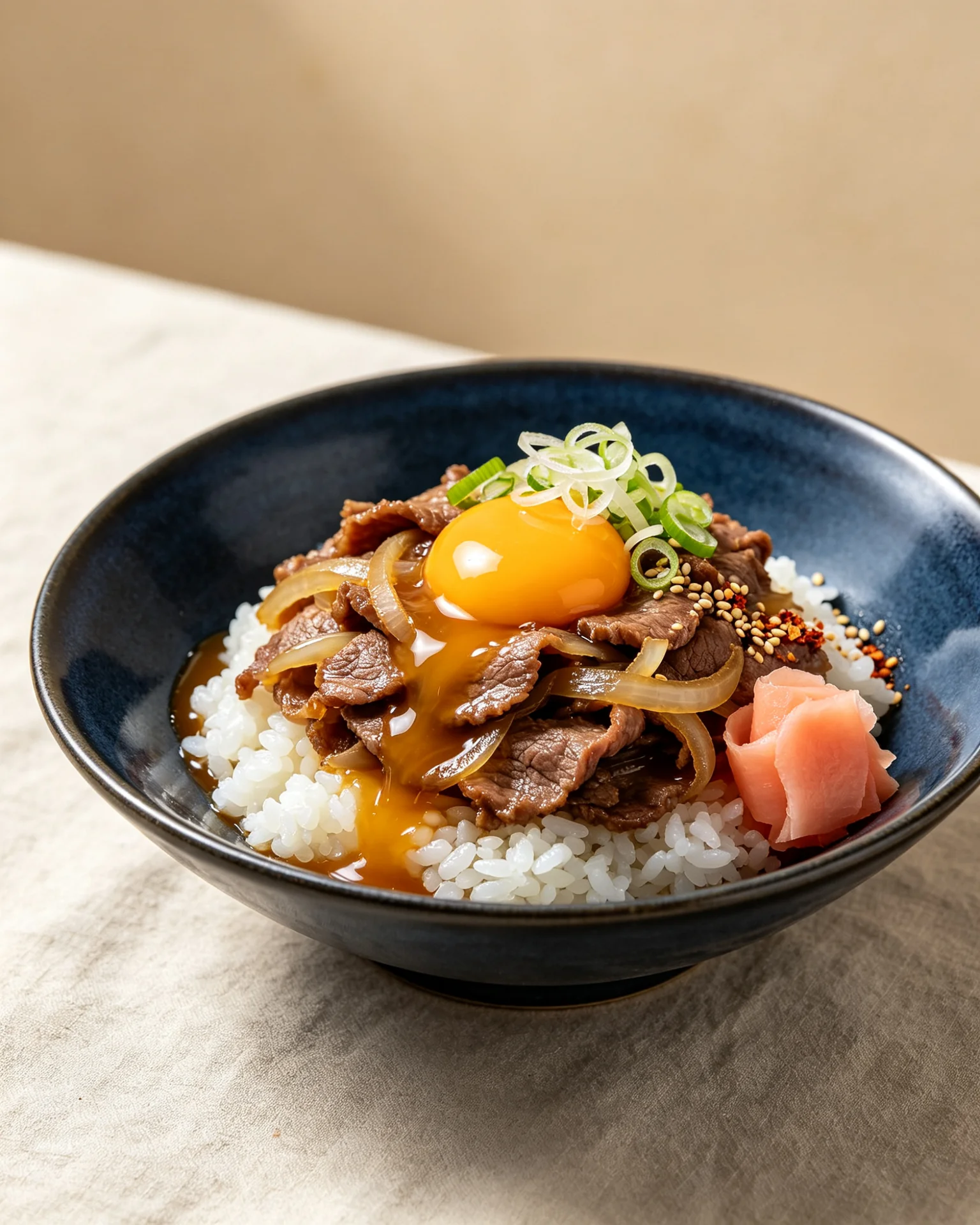
Gyudon Recipe (Japanese Beef Bowl) — Weeknight-Tested, Ready in 20 Minutes
Read Recipe
Japanese

Gyudon Recipe (Japanese Beef Bowl) — Weeknight-Tested, Ready in 20 Minutes

Thinly sliced beef and onions simmered in a sweet-savory dashi-soy broth over steamed rice. Ready in 20 minutes — Japan''''s ultimate weeknight comfort food.

View recipe Sep 18
How to Make Authentic Asian Beef Stew
Read Recipe
Japanese

How to Make Authentic Asian Beef Stew

Authentic Asian Beef Stew: tender chuck braised with star anise, five-spice, and shiitake mushrooms. This Chinese comfort dish tastes even better the next day.

View recipe Aug 27
Quick Tuna Tataki Recipe
Read Recipe
Japanese

Quick Tuna Tataki Recipe

Tuna Tataki Recipe — Flash-seared ahi tuna with ponzu dipping sauce. Ready in 20 minutes. Step-by-step guide with pro tips, variations & FAQs.

View recipe Jul 5
How to Cook Hibachi Chicken at Home
Read Recipe
Japanese

How to Cook Hibachi Chicken at Home

Learn how to cook hibachi chicken at home — juicy, garlicky, soy-buttered chicken with that signature Japanese steakhouse flavor. Step-by-step, tested recipe.

View recipe Jun 29
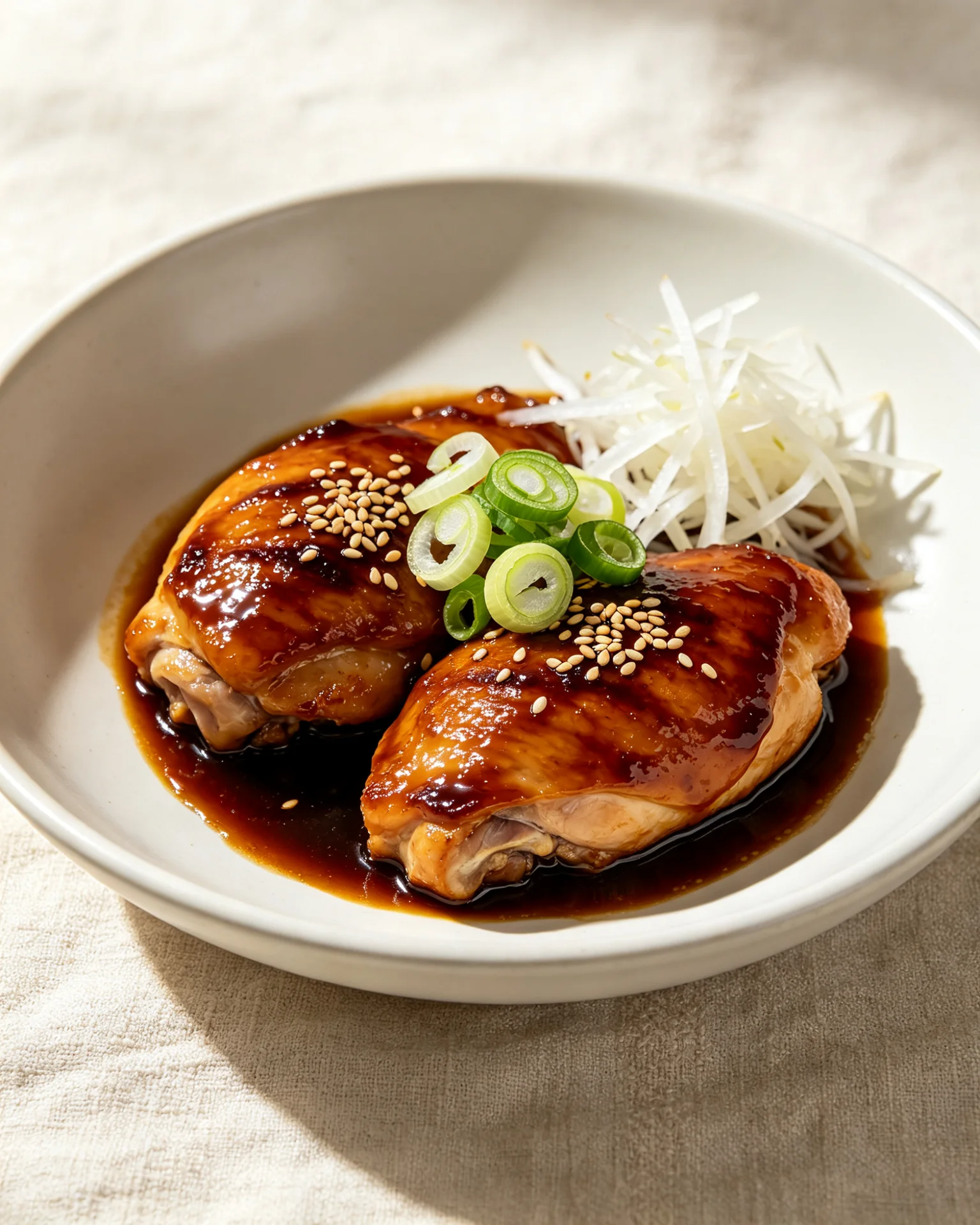
Authentic Japanese Teriyaki Chicken Recipe – Golden Ratio
Read Recipe
Japanese

Authentic Japanese Teriyaki Chicken Recipe – Golden Ratio

Learn how to make real Japanese Teriyaki Chicken with the "Golden Ratio" sauce. No cornstarch—just a natural, glossy glaze made with soy, mirin, sake, and sugar.

View recipe Jun 21
How to Make Japanese Fried Chicken (Karaage)
Read Recipe
Japanese

How to Make Japanese Fried Chicken (Karaage)

Japanese Karaage: crispy, golden fried chicken with a soy-sake-ginger marinade and a light potato starch coating. Juicy inside, crunch outside. Serve with lemon wedges.

View recipe Jun 14
Chicken Katsu Curry Udon
Read Recipe
Japanese

Chicken Katsu Curry Udon

Crispy chicken katsu, chewy udon, and rich Japanese curry broth in one bowl. Tested recipe with step-by-step tips for a perfect result.

View recipe Jun 6
Spicy Miso Chicken Thighs
Read Recipe
Japanese

Spicy Miso Chicken Thighs

Master crispy Spicy Miso Chicken Thighs with this easy recipe. A sticky glaze of white miso and gochujang creates caramelized, umami-packed skin.

View recipe Jun 1
Homemade Gyoza Recipe – Crispy Pan-Fried Dumplings
Read Recipe
Japanese

Homemade Gyoza Recipe – Crispy Pan-Fried Dumplings

Learn how to make authentic Japanese gyoza at home with crispy golden bottoms and juicy pork filling. Step-by-step dumpling recipe with folding techniques.

View recipe May 28
Japanese Katsu Bowl with Tonkatsu Sauce
Read Recipe
Japanese

Japanese Katsu Bowl with Tonkatsu Sauce

Make an authentic Japanese Katsu Bowl with crispy tonkatsu, steamed rice, and homemade Tonkatsu sauce. Easy weeknight dinner ready in 35 minutes.

View recipe May 26
Japanese Fried Fish Cakes (Satsuma- Age)
Read Recipe
Japanese

Japanese Fried Fish Cakes (Satsuma- Age)

Learn how to make authentic Japanese fried fish cakes (Satsuma-Age) at home — crispy outside, bouncy inside, and way better than the store-bought kind.

View recipe May 3
Japanese Carrot Ginger Dressing (Restaurant-Style)
Read Recipe
Japanese

Japanese Carrot Ginger Dressing (Restaurant-Style)

A vibrant, tangy, and slightly sweet salad dressing made with fresh carrots, ginger, and miso. Better than the steakhouse version! Ready in 10 minutes.

View recipe Apr 15

Love Japanese food?

Check out my complete guide to Japanese home cooking, dashi technique, pantry essentials, and tested recipes.

READ THE GUIDE

What is dashi and why is it important?

Dashi is the foundational stock of Japanese cooking — made from kombu and katsuobushi, it provides the umami backbone that makes Japanese food taste distinctly Japanese. Unlike Western stocks that simmer for hours, dashi takes 20 minutes.

It is used in miso soup, ramen broth, nimono braising liquid, noodle dipping sauces, and anywhere Japanese cooking requires liquid. Without dashi the flavour is flat. With it every dish tastes complete.

What is the difference between mirin and sake in Japanese cooking?

Sake is dry Japanese rice wine — it removes odours from fish and meat and adds subtle depth to sauces. Mirin is sweet rice wine — it adds sweetness, a glossy finish, and helps sauces caramelise.

They are not interchangeable. Most Japanese sauces use both — sake for depth, mirin for sweetness and gloss.

Can I make Japanese food without a Japanese grocery store?

Yes for most dishes. Soy sauce, mirin, sake, miso, and rice vinegar are available in most supermarkets and on Amazon. The ingredient worth sourcing specifically is kombu and katsuobushi for proper dashi — instant dashi powder works for weeknight cooking but fresh dashi produces a noticeably better result.

What is the difference between ramen and udon?

Ramen uses thin, springy wheat noodles in a rich, deeply seasoned broth — the broth is the focus and takes hours to develop. Udon uses thick, chewy wheat noodles in a lighter dashi-based broth — the noodles are the focus.

Soba uses thin buckwheat noodles served either cold with dipping sauce or hot in a light broth. Each noodle type has its own sauce ratios, broth construction, and toppings.