Traditional Nepali Dal Bhat Recipe with Aloo Tarkari and Achar
40 min
Dal Bhat, Momos, and the vibrant spices of the Himalayas — discover the hearty, soulful flavours of Nepali home cooking.
Nepali food is the cuisine I underestimated longest. I knew momos and assumed I knew roughly what Nepali cooking was. I was wrong about almost everything except the momos. The dal bhat system, the twice-daily meal of lentil soup, rice, and vegetable curry that most of Nepal eats every day, is one of the most complete and considered meal structures in Asian cooking. The spice logic is different from Indian, the souring agents are different, the fermented ingredients are unlike anything in neighbouring cuisines, and the momo tradition is deep enough that it functions as an entire food category rather than a single dish. These are the recipes I wish I had started cooking years earlier.
Nepali home cooking is organised around one central format: dal bhat tarkari. Dal is the lentil soup, thin, well-seasoned, poured directly over the rice. Bhat is steamed rice, usually white, sometimes red at higher altitudes. Tarkari is the vegetable side dish, dry-cooked or semi-dry with a spice base. Around these three a Nepali home meal might also include a saag (cooked greens), a pickle (achar), and occasionally meat or egg. This format is eaten at lunch and dinner, daily, across almost every household in Nepal regardless of geography or background.
It is a meal system designed around efficiency and nutrition. Dal provides protein and the liquid needed to eat the rice. The tarkari provides vegetables and secondary flavour. The achar provides acid and sharpness that makes the rest of the meal more interesting. Each component has a function and the meal works because of how they interact, not because any single element is spectacular on its own.
Beyond dal bhat, Nepali cooking has a momo tradition that runs deep. Momos are steamed dumplings that originated in the Tibetan-influenced cooking of highland Nepal and moved down into the lowlands and cities until they became the most widely eaten street food in the country. Every city, every region, every cook has their own version. The question of whether a momo should use buff (buffalo), pork, chicken, or vegetables is the kind of argument Nepalis have with genuine feeling.
Jhanne (tempering): Many Nepali dishes are finished with a jhanne, whole spices fried in hot ghee or oil and poured over the finished dish. Jimbu (dried Himalayan herb with an onion-like fragrance), cumin seeds, dried red chilli, and sometimes garlic go into the hot fat. The fat is heated until smoking before the spices are added. The contact between the very hot fat and the spices drives the volatile aromatic compounds into the oil in seconds. This hot fragrant oil is poured directly over the finished dal or vegetable dish at the table. The sound, smell, and visual of the jhanne arriving at the table is part of the experience.
Momo making: Nepali momo technique involves three distinct skills, making the dough, making the filling, and pleating. The dough is plain wheat flour and water, kneaded until smooth and elastic. The filling for traditional buff or chicken momo is seasoned with garlic, ginger, cumin, coriander, and plenty of raw onion, the onion releases moisture during steaming and keeps the filling juicy. The pleating produces the characteristic gathered top of a steamed momo. There are multiple pleating styles, the crescent fold, the round top pinch, the spiral, and each regional tradition has its preferred method. The skill is in keeping the pleat tight enough that the dumpling does not open during steaming while leaving enough space for the filling to expand.
Gundruk fermentation: Gundruk is Nepal's most distinctive fermented ingredient, leafy greens (mustard, radish tops, cauliflower leaves) wilted, sun-dried until partially desiccated, then packed tightly in an airtight container and left to ferment at room temperature for 7-14 days. The fermentation produces lactic acid, which gives gundruk its characteristic sour, slightly funky character. It is used as a pickle, cooked in soups, and made into gundruk ko jhol, a sour soup that is one of the most restorative things in Nepali cooking. The process takes patience but requires no special equipment.
Sekuwa (charcoal grilling): Nepali charcoal-grilled meat, particularly buff or chicken, is marinated in a spice paste that includes timur (Nepali Sichuan pepper), garlic, ginger, and cumin, then grilled over high direct heat until charred on the outside and just cooked through. The timur produces a tingling numbness similar to Sichuan peppercorn, it is in the same botanical family, which gives sekuwa a distinctly Himalayan heat character.
The differences are significant. Timur, Nepali Sichuan pepper, produces a heat and numbing character completely absent from Indian cooking. Jimbu has no Indian equivalent. The gundruk fermentation tradition has no parallel in Indian regional cooking. The momo tradition is Tibetan in origin and arrived in Nepal through the northern mountain communities, not from any Indian influence. Dal bhat tarkari shares structural similarities with Indian thali but the specific spice logic, less heavy masala, more whole-spice tempering, less sauce, produces a lighter, more distinct flavour profile. Nepali cooking also uses significantly less chilli than most Indian regional cooking, relying instead on timur and black pepper for heat.
The momo is a steamed dumpling that originated in Tibetan cooking and became the defining street food of Nepal. In Kathmandu you can eat momo at any hour from any street stall, with any filling, in any style, steamed, fried, in soup (jhol momo), baked, or served with chilli oil. The momo is to Nepal what the dumpling is to China or the pierogi is to Poland: a national food that carries cultural weight beyond its ingredients.
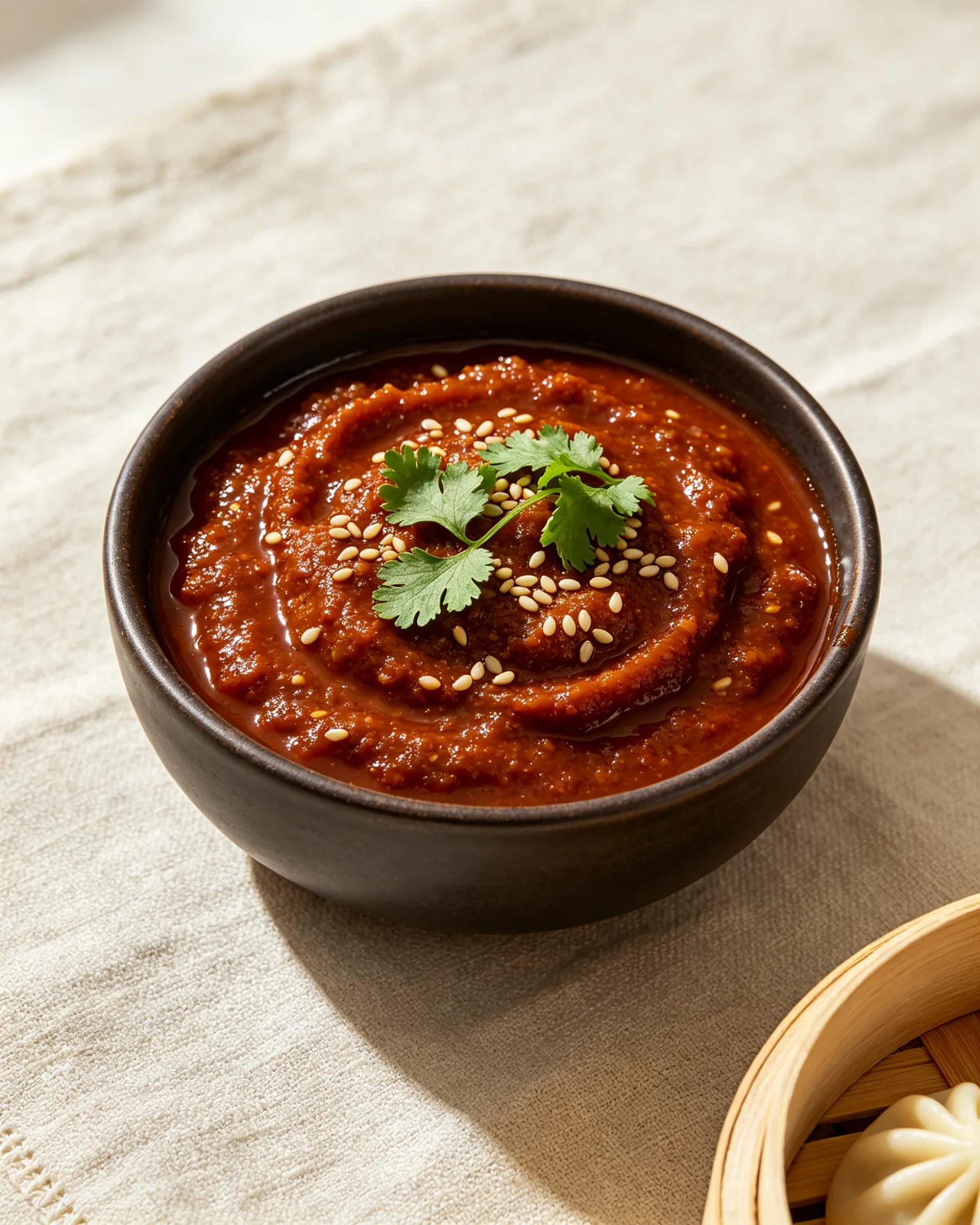
The dipping sauce is almost as important as the dumpling. Momo achar, the chilli-tomato-sesame dipping sauce that comes with every order of momo, is so good that people seek out the sauce separately. It is the combination of momo and achar that makes the dish complete.