Traditional Nepali Dal Bhat Recipe with Aloo Tarkari and Achar

Jump to Section
The first time I ate dal bhat in Nepal, I finished the plate and the server refilled it without being asked. I finished the second helping and he came back again. I did not understand until someone explained that dal bhat is bottomless in any honest bhatti, and the restaurant keeps filling the rice and dal until you wave it off. The dish is not designed to be eaten once and finished. It is designed to be eaten until you are done.
Making it at home requires understanding that. Make more dal than you think you need. The first bowl is the meal. The refill is the tradition.
Nepali Dal Bhat Heritage Functions as a Complete Meal System
Dal bhat, written दाल भात, is not a dish. It is a complete meal system. Dal is the lentil soup. Bhat is the steamed rice. Around them sit tarkari, the vegetable curry, plus saag, achar, and a crispy papad. Together those components make up the standard twice daily meal eaten across Nepal, from the Terai lowlands to the high Himalayas, breakfast and dinner, every day, for most of the population.
Amino Acid Synergy Proves the Dal Bhat Power Slogan
The famous saying is not hyperbole. It is the nutritional logic of the meal stated plainly. Lentil protein is rich in lysine but short on methionine and cysteine. Rice protein is the mirror image, rich in methionine and cysteine but short on lysine. When the body lacks any one essential amino acid it cannot build the proteins it needs, no matter how much total protein arrived.
Dal and bhat together close each other’s gaps, and the combined plate carries a complete essential amino acid profile similar to animal protein. That is why the meal sustains trekkers through days of extreme altitude exertion. A ++2022 human feeding study++ put numbers on the folk wisdom, finding that combining cooked lentils with steamed rice improved protein quality and increased protein synthesis in young adults. The slogan is science.
Regional Lentil Preparations Span Terai to Himalayan Valleys
The same name covers three genuinely different preparations, and knowing which one you are eating changes what you expect in the bowl.
Terai style comes from the southern plains bordering India. The dal is built on rahar or moong beans rather than red lentils, thicker and earthier, and the tempering uses mustard oil heated to smoking point instead of ghee. Raw onion and green chillies sit at the rim of the plate. It is the sharpest and most pungent of the three, and it is also the one that is already vegan when the ghee stays out.
Kathmandu Valley style is the version served in most restaurants internationally and the version in this recipe. Masoor dal cooked until silky and pourable, tempered with ghee, cumin, garlic, dried chilli, and sometimes a pinch of asafoetida. Balanced and gentle.
Mountain style changes character completely above roughly 3,000 metres. Kalo dal, whole black lentils, slow cooks for 45 to 60 minutes until creamy as porridge, and the tempering uses jimbu, a dried Himalayan allium that stands in for fresh garlic and onion where they are expensive or unavailable. ++Wikipedia’s entry on jimbu++ describes the dried strands that look like hay and smell like a cross between garlic and onion when they hit hot ghee. This is the dal of Thakali cuisine and the mountain lodge. Dried chives plus an extra clove of garlic are the closest substitute in most Western kitchens, and my ++Nepali cooking guide++ covers where jimbu fits in the pantry.

Jhanne Tempering Technique Traps Fragrant Ghee Aromatics
Jhanne, also called jhaneko or tadka, is the tempering technique that defines Nepali dal cooking. Ghee or mustard oil is heated until very hot, spices and aromatics are fried in it until they sizzle, and the whole mixture is poured over the finished dal.
The covering step is where most home recipes go wrong, because the physics is not obvious. The fat may be at 180 to 200°C when it hits a dal surface at roughly 90°C, and the water at that surface flashes to steam, carrying the volatile aromatics from the cumin, garlic, and dried chilli upward with it. Cover the pot immediately and that aromatic steam condenses on the lid and the dal surface, depositing its fragrance back into the food over 2 to 3 minutes. Leave the pot open and the steam rises into your kitchen, which means the wonderful smell filling the room is fragrance that never made it into the dal.
Cover within a couple of seconds of pouring. Wait 2 to 3 minutes. Do not lift the lid during that time.
Unsalted Steamed Rice Balances Savory Lentil Seasoning
People taste the rice alone, find it bland, and assume an error. The blandness is intentional system design.
Dal bhat is eaten mixed, traditionally by hand, with the right hand combining rice and poured dal into each bite. The salt from the dal distributes through the rice during that mixing, so the dal is seasoned assertively enough to cover both itself and the rice it lands on. Salt the rice too and the combined bite turns over seasoned. Two independently perfect components would produce a ruined combination.
Cook the rice completely without salt. Taste the dal alone and it seems well seasoned. Taste the rice alone and it seems bland. Eat them together and the plate is exactly right.
Five Traditional Platter Components Balance the Thali
A properly assembled plate pours the dal generously over the rice rather than alongside it, because the dal is the liquid that makes the rice edible in the Nepali style. A substantial mound of rice anchors the centre. One or two tarkari sit to the side for texture and contrast. A small amount of achar cuts the richness with acid, and one papad adds the crunch.
The mixing is not just tradition. Mixing by hand warms the food slightly and combines the components more thoroughly than a spoon does.
Saag earns its spot when you have it. Heat a little oil, crackle cumin and a pinch of fenugreek, then add a bunch of rough chopped spinach with minced garlic and ginger, and it is done in about 5 minutes, glossy and still a little crisp.
The one rule is the refill. When the dal runs low, add more. When the rice runs low, add more. The meal ends when you are satisfied, not when the plate is empty the first time.
Ingredients for Authentic Nepali Dal Bhat Platter

Serves 4 generously, with the understanding that leftovers reheat perfectly and the tradition demands refills anyway.
For the masoor dal
- 250 g masoor dal, red lentils, rinsed until the water runs clear
- 1 litre water
- 1 medium tomato, roughly chopped
- 1 tsp turmeric
- 1 tsp salt to start, adjusted after the jhanne
For the jhanne and the finish
- 2 tbsp ghee, or mustard oil for Terai style
- 1 tsp cumin seeds
- 4 cloves garlic, thinly sliced
- 2 dried red chillies, broken in half
- A scant 1/8 tsp asafoetida
- 5 to 6 fresh curry leaves, optional but fragrant
- Half a tsp ground timur or Sichuan peppercorn, added off heat
- A small handful of fresh coriander
- 1 tbsp lime juice
For the aloo tarkari
- 3 medium potatoes, peeled and cut into 2 cm cubes
- 2 medium tomatoes, roughly chopped
- 1 medium onion, thinly sliced
- 3 cloves garlic, minced
- 1 cm fresh ginger, grated
- 2 tbsp neutral oil or mustard oil
- 1 tsp cumin seeds
- Half a tsp each of turmeric, ground cumin, and ground coriander
- Half a tsp red chilli powder, adjusted to taste
- Salt and fresh coriander to finish
For the quick tomato achar
- 2 medium tomatoes, halved
- 1 tbsp toasted sesame seeds
- 2 green chillies
- 2 cloves garlic
- 1 tsp mustard oil
- Half a tsp timur or Sichuan peppercorn
- Salt and fresh coriander
Step by Step Method for Dal Bhat and Tarkari
Read the whole flow once. The dal simmers while the tarkari cooks, and the achar takes five minutes at the end.
- Simmer the dal. Combine the rinsed lentils, water, tomato, turmeric, and salt in a saucepan, bring to a boil, skim the foam, and simmer uncovered for 20 to 25 minutes until the lentils dissolve into a thick, pourable soup. Add a splash of water if it tightens too much, and keep it warm.

- Fry the jhanne. Heat the ghee until shimmering, add the cumin seeds, and they must sizzle and pop immediately or the fat is not hot enough. Add the garlic and stir 30 to 45 seconds until golden, then the dried chillies and asafoetida for 10 seconds, then the curry leaves, which will crackle and spit.
- Pour and cover. Pour the entire jhanne over the warm dal, cover the pot tightly, and leave it 2 to 3 minutes without stirring while the aromatic steam does its work.

- Finish the dal. Uncover, stir in the timur off heat, then the lime juice and coriander, and adjust the salt. It should taste assertive enough to season the unsalted rice it is about to land on.
- Cook the tarkari. Fry the cumin in hot oil for 30 seconds, cook the onion 8 to 10 minutes until golden, add garlic and ginger for a minute, then the ground spices for 30 seconds. Coat the potatoes, add the tomatoes and 100 ml water, cover, and cook 15 to 20 minutes until the potatoes are tender and the curry sits half dry.

- Make the achar. Char the tomatoes over a flame or under a hot grill until blistered and blackened in spots, then blend rough with the sesame seeds, green chillies, garlic, mustard oil, and salt. Stir in the timur and coriander.

- Cook the rice. Plain white rice, no salt, with a small knob of ghee in the water if you like, cooked until every grain is separate and served warm.

- Assemble and refill. Mound the rice, ladle the dal over it, add the tarkari, a spoon of achar, and a papad, mix with your right hand, and top everything up when it runs low.
Leftover Storage and Reheating Preserves Lentil Consistency
The dal is the surprise. It keeps covered in the fridge for 3 to 4 days and thickens as it cools, so loosen it with a splash of water over medium heat and taste for salt before serving. Day two dal honestly tastes deeper than day one, because the aromatics from the jhanne keep infusing overnight.
The tarkari keeps 2 to 3 days and the achar about a week, getting sharper and better the whole time. The rice is the one component that does not wait. Cook it fresh for the meal, and send yesterday’s rice to fried rice instead of trying to revive it under the dal.
Dal also freezes well for up to a month. Thaw it in the fridge and reheat it gently, and the texture comes back without complaint.
Love Nepali food?
Check out my complete guide to Nepali home cooking, pantry essentials, and techniques.
Frequently Asked Questions
Q: What is the difference between Nepali dal bhat and Indian dal chawal?
A: Structurally similar, but the Nepali jhanne is covered immediately to trap aromatic steam into the dal while Indian tadka is usually just stirred in. Nepali dal runs thinner and more pourable, the three region system produces sharper style differences, jimbu has no Indian equivalent, and the bottomless refill culture is specifically Nepali.
Q: Can I use different lentils?
A: Yes, with the same jhanne over any of them. Moong dal cooks in about 15 minutes and tastes lighter and sweeter. Rahar runs thicker and earthier and needs 35 to 40 minutes. Kalo dal needs an overnight soak and 45 to 60 minutes to turn creamy.
Q: Why does my jhanne not smell as fragrant as it should?
A: Either the fat was not hot enough when the spices went in, or the pot was not covered immediately after pouring. Cumin must sizzle on contact, and the lid must go on within a couple of seconds or the aromatic steam escapes into the kitchen.
Q: What is the correct rice for dal bhat?
A: Any plain white rice, cooked separate and unsalted and served warm. Nepal uses jira masino and basmati both, and my ++Nepali cooking guide++ covers the pantry around it. Cold rice does not absorb the dal the same way.
Bottomless Hospitality Defines the Bhatti Dining Experience
Serve everything at once, and let the pot stay on the table. That is the whole point.
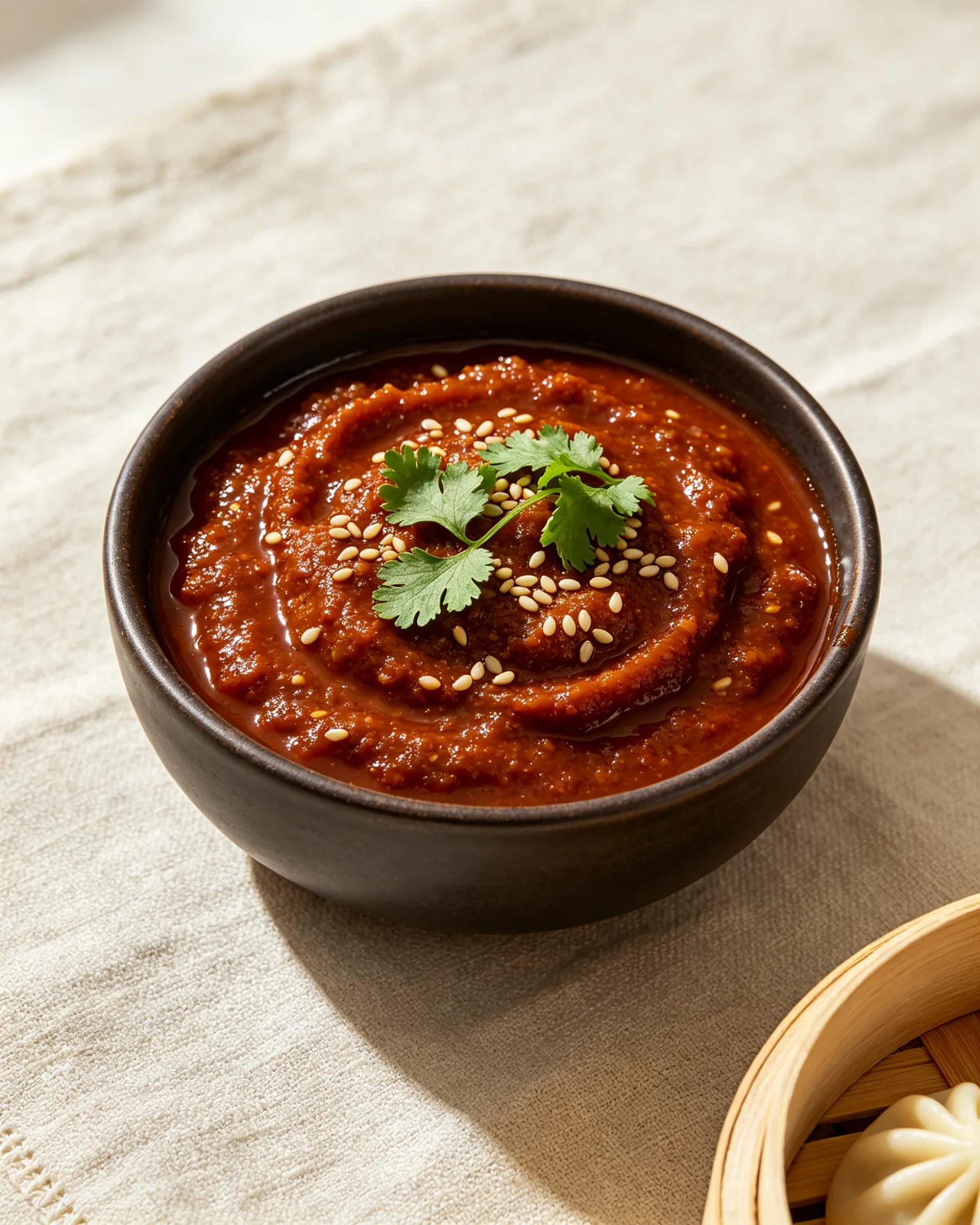
If this plate pulls you further in, my ++momo achar++ is the dipping sauce that made me understand timur, and ++chicken momo++ turns the meal into a full Nepali spread. For the wider picture, my ++complete Nepali cooking guide++ covers the pantry staples and techniques behind this plate.
You might also like: Check out our complete Nepali cooking guide for more essential ingredients and techniques.
Traditional Nepali Dal Bhat Recipe with Aloo Tarkari and Achar
PT15M
PT25M
PT40M
Nutrition Facts
Ingredients
- 250 g masoor dal, red lentils, rinsed until the water runs clear
- 1 litre water
- 1 medium tomato, roughly chopped
- 1 tsp turmeric
- 1 tsp salt to start, adjusted after the jhanne
- 2 tbsp ghee, or mustard oil for Terai style
- 1 tsp cumin seeds
- 4 cloves garlic, thinly sliced
- 2 dried red chillies, broken in half
- A scant 1/8 tsp asafoetida
- 5 to 6 fresh curry leaves, optional but fragrant
- Half a tsp ground timur or Sichuan peppercorn, added off heat
- A small handful of fresh coriander
- 1 tbsp lime juice
- 3 medium potatoes, peeled and cut into 2 cm cubes
- 2 medium tomatoes, roughly chopped
- 1 medium onion, thinly sliced
- 3 cloves garlic, minced
- 1 cm fresh ginger, grated
- 2 tbsp neutral oil or mustard oil
- 1 tsp cumin seeds
- Half a tsp each of turmeric, ground cumin, and ground coriander
- Half a tsp red chilli powder, adjusted to taste
- Salt and fresh coriander to finish
- 2 medium tomatoes, halved
- 1 tbsp toasted sesame seeds
- 2 green chillies
- 2 cloves garlic
- 1 tsp mustard oil
- Half a tsp timur or Sichuan peppercorn
- Salt and fresh coriander
Instructions
- Simmer the dal. Combine the rinsed lentils, water, tomato, turmeric, and salt in a saucepan, bring to a boil, skim the foam, and simmer uncovered for 20 to 25 minutes until the lentils dissolve into a thick, pourable soup. Add a splash of water if it tightens too much, and keep it warm.
- Fry the jhanne. Heat the ghee until shimmering, add the cumin seeds, and they must sizzle and pop immediately or the fat is not hot enough. Add the garlic and stir 30 to 45 seconds until golden, then the dried chillies and asafoetida for 10 seconds, then the curry leaves, which will crackle and spit.
- Pour and cover. Pour the entire jhanne over the warm dal, cover the pot tightly, and leave it 2 to 3 minutes without stirring while the aromatic steam does its work.
- Finish the dal. Uncover, stir in the timur off heat, then the lime juice and coriander, and adjust the salt. It should taste assertive enough to season the unsalted rice it is about to land on.
- Cook the tarkari. Fry the cumin in hot oil for 30 seconds, cook the onion 8 to 10 minutes until golden, add garlic and ginger for a minute, then the ground spices for 30 seconds. Coat the potatoes, add the tomatoes and 100 ml water, cover, and cook 15 to 20 minutes until the potatoes are tender and the curry sits half dry.
- Make the achar. Char the tomatoes over a flame or under a hot grill until blistered and blackened in spots, then blend rough with the sesame seeds, green chillies, garlic, mustard oil, and salt. Stir in the timur and coriander.
- Cook the rice. Plain white rice, no salt, with a small knob of ghee in the water if you like, cooked until every grain is separate and served warm.
- Assemble and refill. Mound the rice, ladle the dal over it, add the tarkari, a spoon of achar, and a papad, mix with your right hand, and top everything up when it runs low.
Did you make this recipe?
Tag @asianfoodsdaily on Instagram or leave a comment below!
Testing Notes
Tested in Asha's kitchen. Last reviewed June 18, 2026.
Ingredient Substitutions
Substitution notes coming soon.
About Asha
Half Asian, half African cook raised between two food-obsessed cultures. I've spent 10 years learning Asian cooking traditions through family, friends, and thousands of hours at the stove — testing every dish until it works in a standard home kitchen.
Read my full storyRelated Recipes
More delicious dishes you might enjoy


Loading comments...