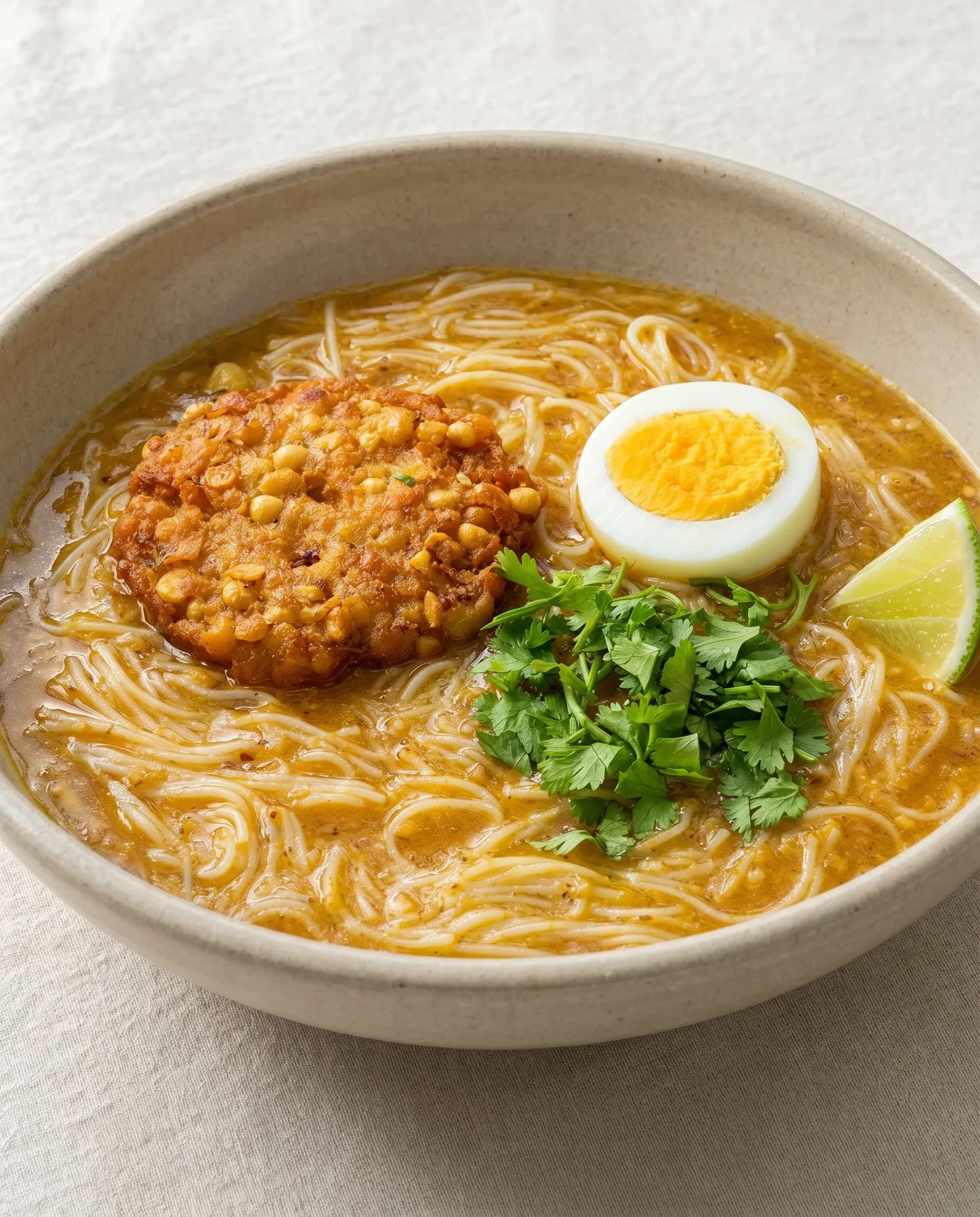
 Burmese Food & Myanmar Cuisine Guide
 Burmese
Burmese Food & Myanmar Cuisine Guide
Burmese food is built on oil-separated curries, fermented ngapi, and the thoke salad tradition. A practical guide for home cooks ready to cook it.
Read MoreCooking notes, ingredient obsessions, and the stories behind the dishes.
Recipes tell you what to do. This blog explains why it works.
I started writing these posts because the most useful thing I ever learned in the kitchen was never in a recipe. It was understanding the mechanism behind the instruction. Why gochugaru has to be bloomed in oil before the liquid goes in. Why old kimchi makes better jjigae than fresh. Why fish sauce stops tasting fishy the moment it hits a hot broth.
Some posts are ingredient deep-dives. What makes gochugaru different from any other chili flake. Why doenjang and miso are not the same thing despite sharing a base ingredient. How to build a Korean pantry from scratch without buying things you will use once.
Some posts are technique breakdowns. The science behind wok hei and what is actually achievable on a home stove. How fermentation works and why time is the ingredient most recipes leave out. What velveting does to protein and why Chinese restaurant chicken is always more tender than the home version.
And some posts are just stories. The dish that took me three years to get right. The regional rivalry between two versions of the same noodle. The moment I understood that a single ingredient can mean something completely different depending on which country you are in.
If you have ever wondered why a dish tastes the way it does, not just how to make it, this is the right place.
Burmese Food & Myanmar Cuisine Guide Burmese food is built on oil-separated curries, fermented ngapi, and the thoke salad tradition. A practical guide for home cooks ready to cook it.
Read More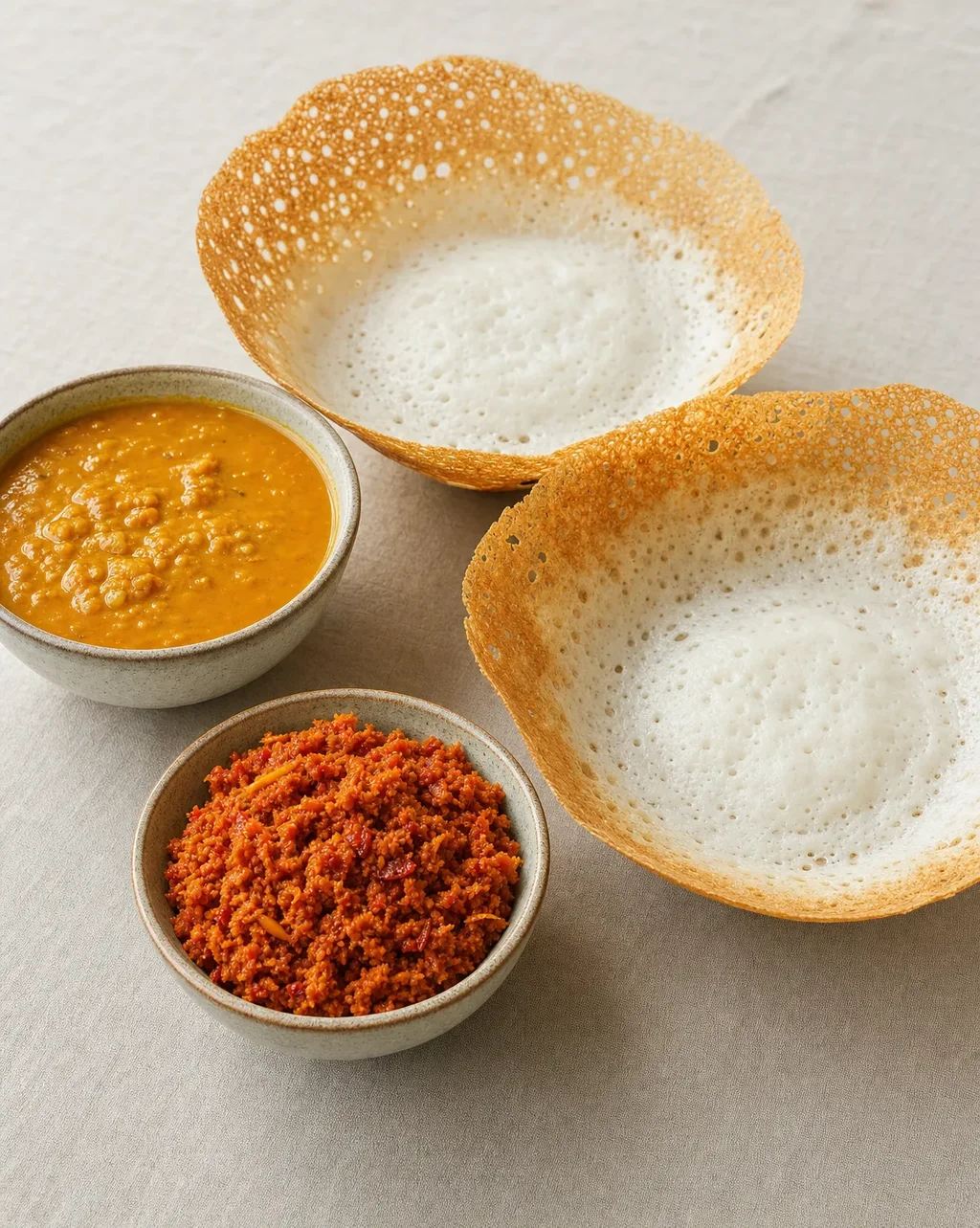 Sri Lankan Food: Complete Cuisine Guide
 Sri Lankan food is built on roasted spice, coconut milk, and goraka. A practical guide for home cooks — dishes, techniques, ingredients, and where to start.
Read More How to Season a Wok — Carbon Steel Seasoning Guide
 Learn how to season a carbon steel wok properly — the first-time process, daily maintenance, how to fix rust, and what wok hei actually requires at home.
Read More What Is Doenjang and How Does It Differ from Miso?
 Doenjang is Korea's fermented soybean paste — earthier and more pungent than miso. Learn what it tastes like, how to use it, and why it isn't a miso substitute.
Read More What Gochujang Is and How to Use It in Everyday Korean Cooking
 Learn what real Korean gochujang is, how fermentation creates sweet heat, and the exact substitutes that work in stews and marinades.
Read More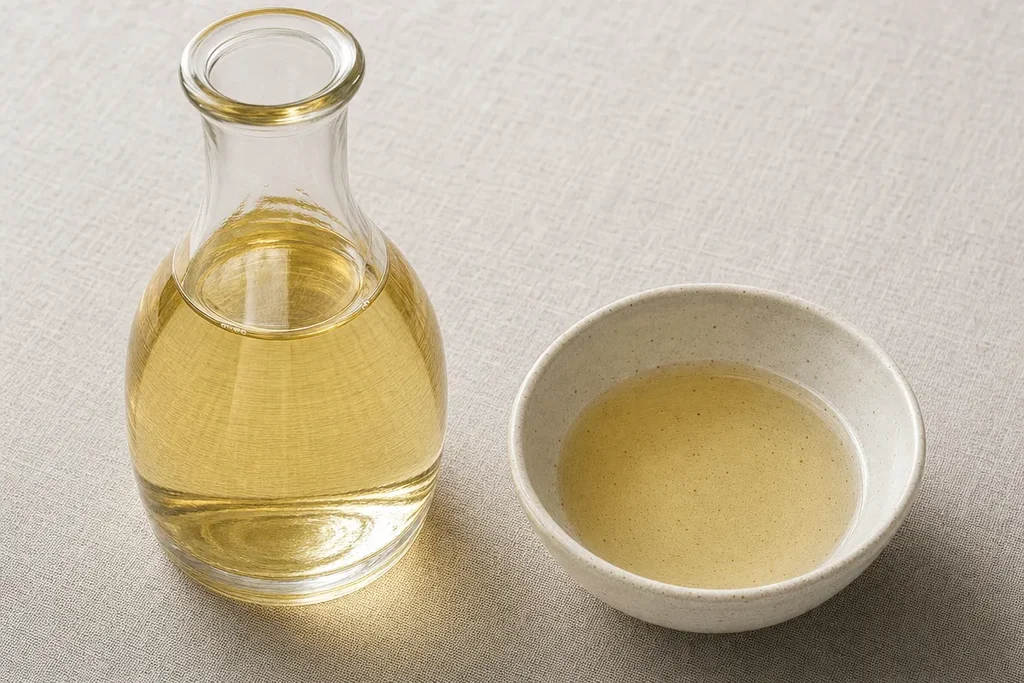 What Is Mirin and How Is It Different from Sake?
 irin is Japan's sweet rice wine — essential for teriyaki, glazes, and ramen tare. Learn how it differs from sake, when to use each, and the best brands.
Read More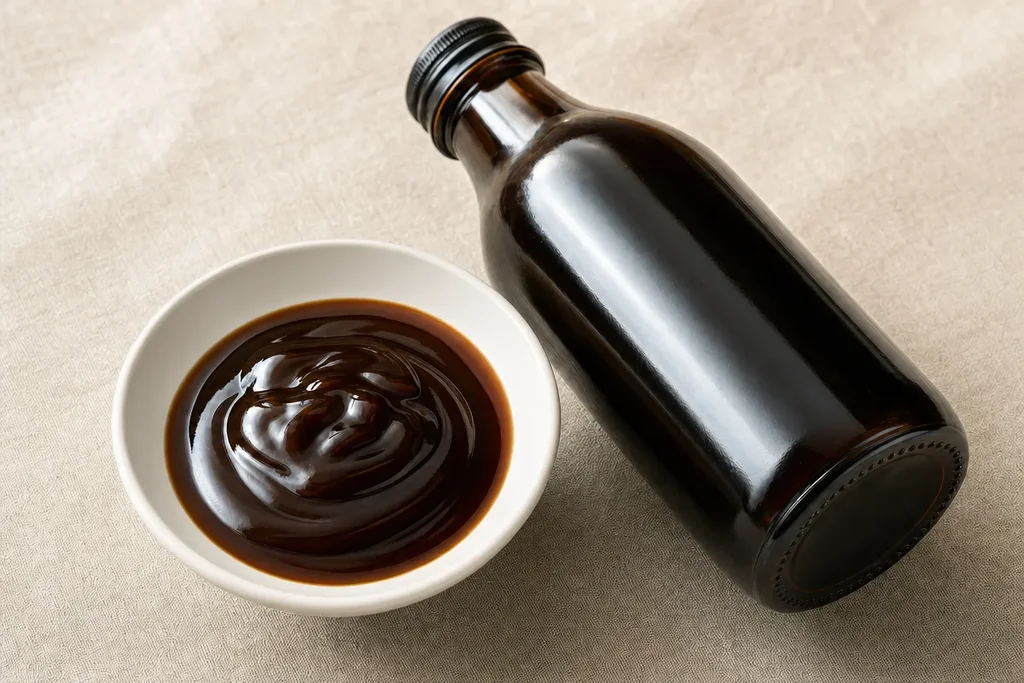 What Is Oyster Sauce and When Do You Use It?
 Oyster sauce is the thick, sweet-savoury sauce that defines Chinese stir-fries and noodle dishes. Learn what it is, how to use it, and the best brands.
Read More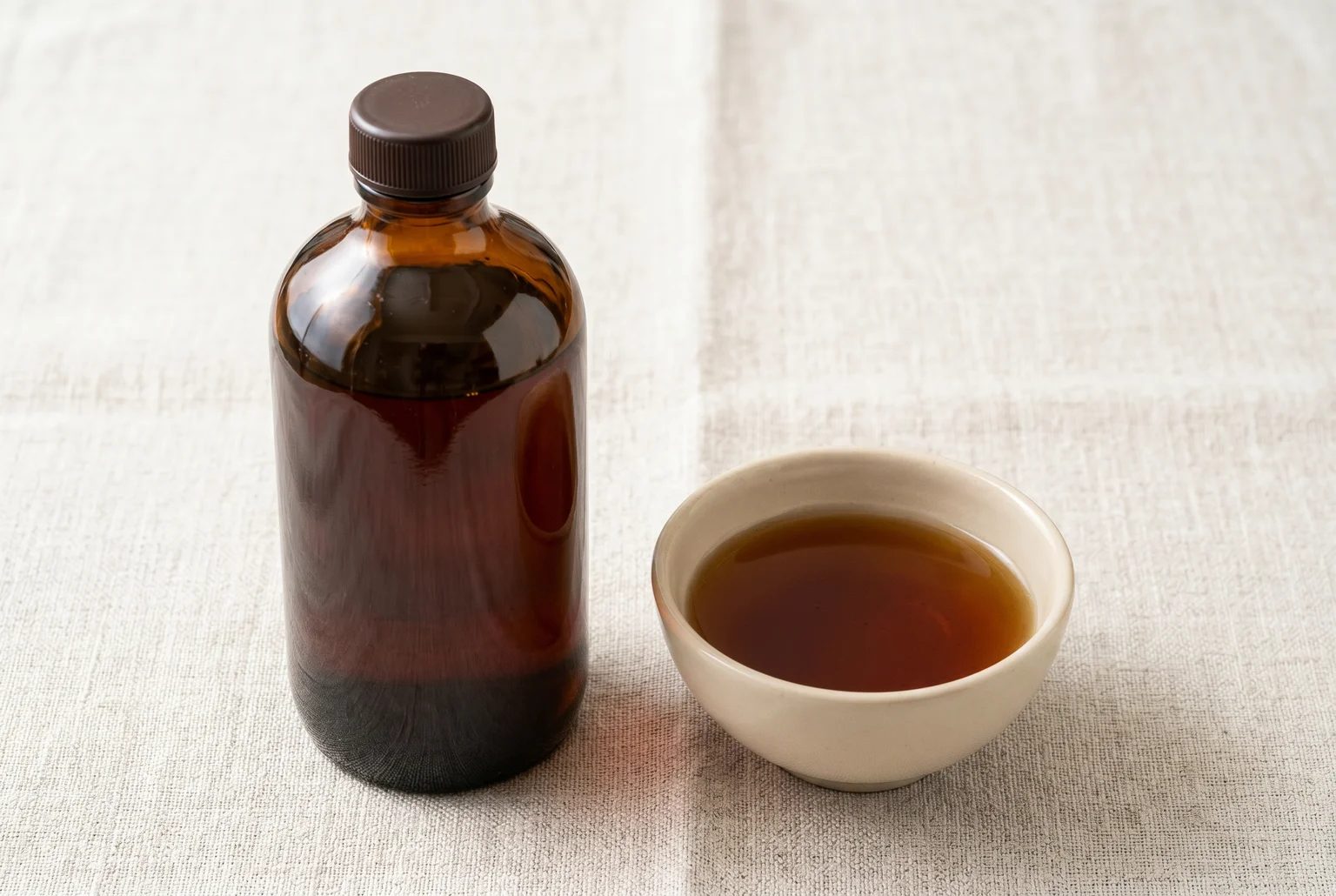 What Shaoxing Wine Is and How to Substitute It
 What real Shaoxing wine is, why cooking wine fails, and the exact substitutes that actually work in marinades and stir fries.
Read More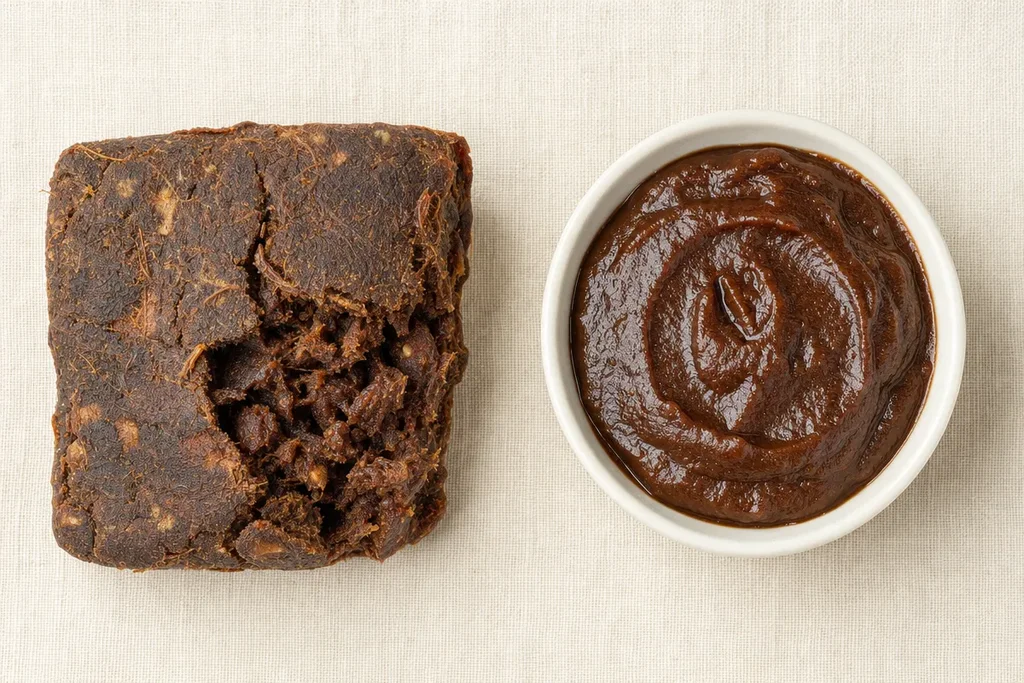 What Is Tamarind and How Do You Use It in Asian Cooking?
 Tamarind is the sour, fruity paste that defines pad thai, som tam, and Filipino sinigang. Learn what it is, how to prepare it, and the best substitutes.
Read More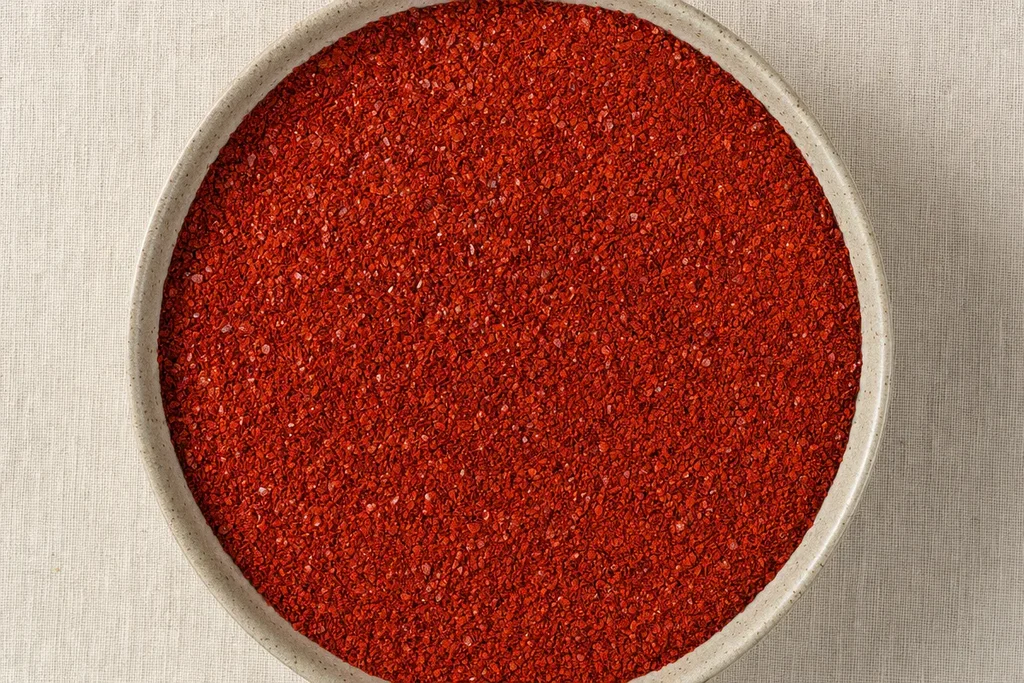 What is Gochugaru and How Do You Use It?
 A complete guide to gochugaru (Korean chili flakes), the different grinds, storage and why blooming it in oil is essential for authentic flavor.
Read More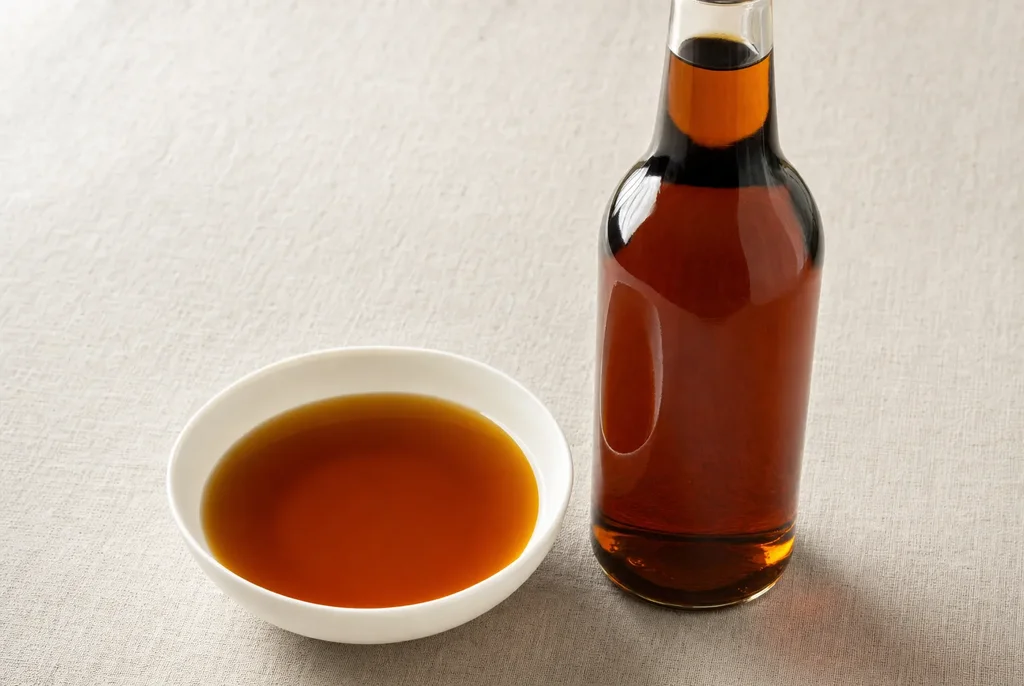 What Is Fish Sauce and How Do You Use It
 What fish sauce is, how to cook with it without a fishy smell, and which bottles work for Thai, Vietnamese, and Korean food.
Read More Traditional Dim Sum at Home Guide with Classic Steaming Recipes
 Learn how to make authentic Cantonese dim sum at home with classic recipes, bamboo steamer setup tips, and translucent dumpling doughs.
Read More Chinese Stir-Fry Recipes: 15 Dishes & Wok Guide
 Master Chinese stir-fry recipes at home — 15 dishes ranked by skill level, wok hei explained, sauce ratios, and a full ingredient substitution guide.
Read More Why Miso Table Sauce Belongs in Every Kitchen
 Discover why miso table sauce is the ultimate umami shortcut. Learn how this versatile condiment transforms marinades, glazes, and dips
Read More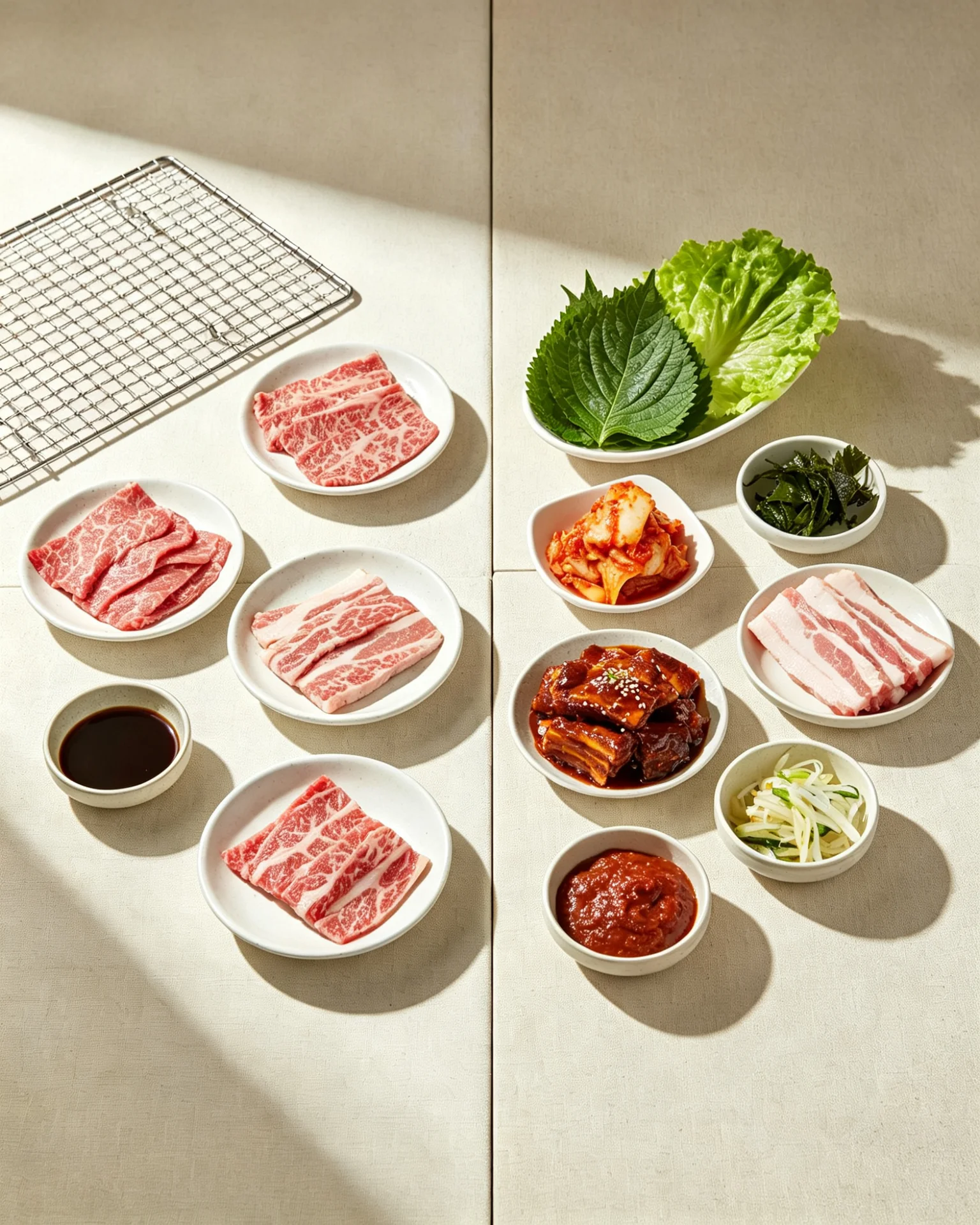 Japanese vs Korean BBQ: Key Differences
 Japanese yakiniku vs Korean BBQ: grilling techniques, marinades, charcoal types, sauces, and signature dishes. The key differences explained clearly.
Read More 10 Must-Try Asian Street Foods
 Discover 10 iconic Asian street foods from Pad Thai to Takoyaki. Your essential guide to the best flavors from Thailand, Vietnam, Japan, and Korea
Read More 10 Underrated Southeast Asian Desserts
 Klepon, chè bắp, kuih talam and more — 10 Southeast Asian desserts worth making, and what makes each one different.
Read More The History and Evolution of Boba Tea
 Trace the history of boba tea from 1980s Taiwan to a global phenomenon. Learn tapioca pearl starch science, flavor trends, and culture.
Read More 7 High-Protein Asian Breakfast Dishes
 Seven Asian breakfasts with more protein than avocado toast — congee, miso soup, pho, and arroz caldo — and what makes them different.
Read More How to Make Hand-Pulled Noodles from Scratch
 Learn to make hand-pulled noodles (lā miàn) from scratch — flour science, rest times, pulling technique, Biang Biang vs lamian, and a full troubleshooting guide
Read More The Role of Fermented Foods in Asian Diets
 Kimchi, miso, natto, and fish sauce: how fermented foods work in Asian cooking, and how to use them in a home kitchen.
Read More Is Pad Kra Pao Thailand's Best Street Food?
 Pad kra pao is what Thailand actually eats daily. Holy basil vs Thai basil, why it beats pad thai, and how to cook it at home.
Read More Plant-Based Alternatives in Asian Cuisine Tofu, tempeh, seitan, Buddhist mock meats: plant-based alternatives in Asian cuisine are a 2,000-year tradition, not a trend. The full story.
Read More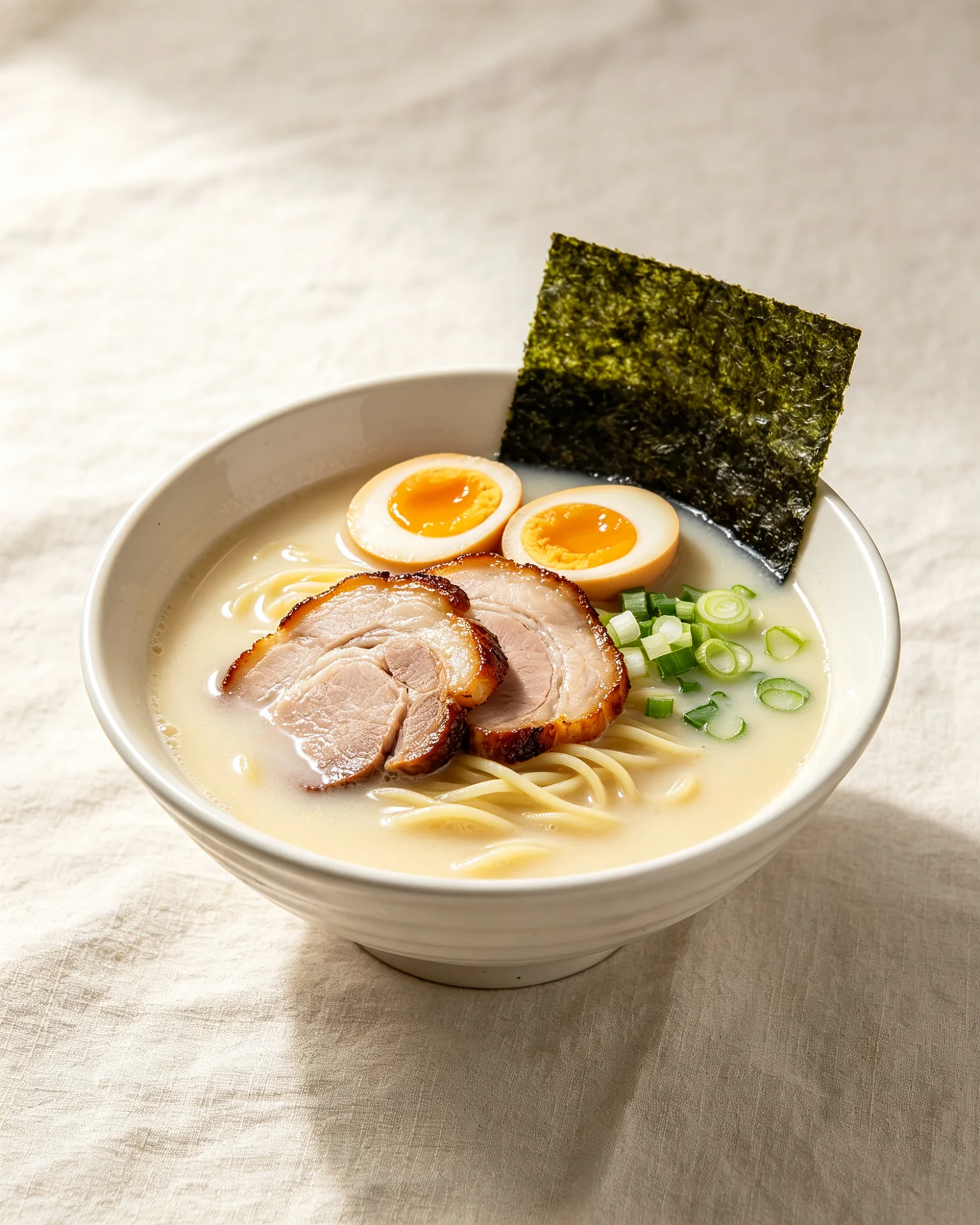 4 Japanese Ramen Styles Explained
 The four Japanese ramen styles explained: broth vs tare, why tonkotsu turns white, alkaline noodles, and how Korean ramyeon diverged.
Read More Is Rice Really Life, According to Filipinos?
 Kanin, sinangag, kakanin, silog — the deep history, rich vocabulary, and daily rituals that make rice the centre of Filipino culture
Read More Why Pancit Palabok is the Ultimate Filipino Noodle Dish
 Why pancit palabok stands out among Filipino noodles — shrimp sauce, toppings, and how it differs from pancit canton.
Read More Which Tastes Better: Dumplings or Gyoza?
 Dumplings vs gyoza: wrappers, filling, pan-fry vs steam, and which to cook when. A practical comparison for home cooks.
Read More