Chinese Stir-Fry Recipes: 15 Dishes & Wok Guide

Chinese stir-fry recipes are high-heat, fast-cooking dishes made in a wok using the chao (stir) or bao (toss) technique. The foundations: a blazing-hot, well-seasoned carbon steel wok; a high-smoke-point oil; ingredients prepped before the burner is lit; and a balanced sauce of 2 parts oyster sauce : 1 part soy sauce : 1 part Shaoxing wine : ½ part sesame oil, thickened with cornstarch. The 15 recipes below span beginner to advanced difficulty across beef, chicken, tofu, pork, and vegetables.
1. What Is Wok Hei — and What It Actually Requires
If you’ve ever wondered why your home stir-fry lacks the smoky depth of a restaurant dish, the answer is almost always wok hei (鑊氣) — Cantonese for “breath of the wok.” According to Michelin Guide’s deep-dive on wok hei, it results from three simultaneous processes: Maillard reactions between amino acids and reducing sugars, caramelisation of natural sugars, and partial combustion of oil — all at temperatures above 200°C (392°F).
As America’s Test Kitchen explains, the tossing motion is critical: aerosolised oil droplets briefly ignite on an open flame, imparting a smokiness that no other method replicates.
The honest home-cooking caveat: Commercial wok burners produce 100,000+ BTU. A home gas burner produces 10,000–15,000 BTU — a 10x gap. True wok hei is not achievable on standard home equipment. What is achievable is strong Maillard browning and flavour concentration through small-batch cooking and a well-seasoned carbon steel wok. That’s a meaningfully better result than most home cooks produce — set that expectation and you’ll cook with more confidence.

2. Heat & Oil Rules
Heat: Preheat your wok before adding oil until a water droplet vaporises on contact. Never overcrowd — cook protein in batches of no more than 300g in a standard 30cm wok. Beyond that, the cold mass drops temperature faster than a home burner can recover.
Oil: Choose a high smoke point oil. Avoid extra-virgin olive oil (smoke point ~190°C) and use toasted sesame oil as a finishing drizzle only, never for frying.
| Oil | Smoke Point | Notes |
|---|---|---|
| Peanut oil | 232°C / 450°F | Traditional choice, mild flavour |
| Avocado oil (refined) | 271°C / 520°F | Neutral, excellent all-rounder |
| Grapeseed oil | 216°C / 421°F | Neutral, good for delicate dishes |
| Refined sunflower | 227°C / 440°F | Neutral, widely available |
| Sesame oil (toasted) | 177°C / 350°F | Finishing only — never for frying |
3. The Prep-First Principle
A stir-fry can go from raw to plate in under four minutes. Have everything ready before lighting the burner:
- Protein — sliced, marinated, at room temperature
- Aromatics — garlic, ginger, spring onions finely sliced
- Vegetables — cut to uniform size
- Sauce — pre-mixed in a bowl
- Cornstarch slurry — 1 tsp cornstarch in 2 tsp cold water
Velveting is the restaurant technique behind silky, tender meat. For beef: toss sliced meat with baking soda (¼ tsp per 250g), rest 15 minutes, rinse well, then marinate in soy sauce, cornstarch, and neutral oil. For chicken: egg white, cornstarch, and Shaoxing wine for 20 minutes. See our How to Use a Wok guide for seasoning and maintenance.

4. Stir-Fry Sauce Ratios Chart
All quantities per 2 servings.
| Sauce Style | Oyster Sauce | Soy Sauce | Shaoxing Wine | Sesame Oil | Sugar | Cornstarch |
|---|---|---|---|---|---|---|
| Classic Brown | 2 tbsp | 1 tbsp | 1 tbsp | 1 tsp | ½ tsp | 1 tsp |
| Light Cantonese | 1 tbsp | 1 tbsp | 1 tbsp | 1 tsp | ½ tsp | 1 tsp |
| Spicy Sichuan | 1 tbsp | 1 tbsp | 1 tbsp | 1 tsp | 1 tsp | 1 tsp |
| Garlic Sauce | 1½ tbsp | 1 tbsp | 1 tbsp | 1 tsp | ½ tsp | 1 tsp |
| Vegetarian | 1 tbsp veg oyster | 1 tbsp | 1 tbsp | 1 tsp | ½ tsp | 1 tsp |
Key ingredients: oyster sauce (umami backbone; sub hoisin or vegetarian oyster sauce), Shaoxing wine (fermented depth; sub dry sherry), dark soy sauce (colour and caramel note; sub regular soy + pinch of sugar), sesame oil (finish only), cornstarch (gloss and cling).

5. 15 Chinese Stir-Fry Recipes by Skill Level
Skill ratings reflect heat management difficulty, timing precision, and ingredient sourcing — not flavour complexity
⭐ Beginner
1. Garlic Stir-Fried Bok Choy (蒜蓉炒白菜) Heat oil until smoking, add 4–6 sliced garlic cloves, toss in halved baby bok choy, stir-fry for 90 seconds. Season with salt and a splash of Shaoxing wine. Should be vibrant green and retain crunch. Don’t step away — bok choy goes from perfect to limp in under 30 seconds.
2. Tofu and Mixed Vegetable Stir-Fry Press extra-firm tofu 30 minutes, pan-fry until golden on all sides, set aside. Stir-fry mushrooms, snap peas, carrot batons, and bell pepper for 90–120 seconds. Return tofu, coat in vegetarian oyster sauce, soy, ginger, and cornstarch sauce. No specialist ingredients required.
3. Chicken and Broccoli in Brown Sauce Marinate sliced chicken in soy, cornstarch, and Shaoxing wine for 15 minutes. Blanch broccoli 60–90 seconds then plunge into an ice bath immediately — without it, carryover cooking turns the broccoli dull yellow-green. Stir-fry chicken over high heat, add broccoli, coat in garlic-ginger brown sauce. Done in 25 minutes.
⭐⭐ Intermediate

4. Beef and Broccoli (西蘭花牛肉) Slice 300g flank steak against the grain, velvet with baking soda, marinate in oyster sauce, soy, and cornstarch. Blanch broccoli 60 seconds, ice bath immediately. Sear beef in one batch (max 300g) for 90–120 seconds. Deglaze with Shaoxing wine, add brown sauce, return broccoli and beef, toss. Serve over jasmine rice.
5. Mongolian Beef (蒙古牛肉) Coat sliced flank steak in cornstarch and shallow-fry until edges crisp, 60–90 seconds per side. Build sauce from dark soy, brown sugar, ginger, and water; reduce until glossy. Finish with spring onions. The cornstarch coating browns quickly — watch the heat.
6. Oyster Sauce Beef with Gai Lan (蠔油芥蘭牛肉) Blanch gai lan 90 seconds, ice bath immediately. Sear sliced beef, deglaze with oyster sauce and stock. The mild bitterness of gai lan balances oyster sauce in a way broccoli cannot. Sub: broccolini.

7. Kung Pao Chicken (宮保雞丁) Diced chicken thigh, roasted peanuts, dried chillies, Sichuan peppercorns, in a soy-black vinegar-doubanjiang sauce. Named after Qing official Ding Baozhen. Velvet the chicken; add peanuts at the very end. See substitution table for doubanjiang alternatives.
8. Moo Goo Gai Pan (蘑菇雞片) Sliced chicken with mushrooms, snow peas, and canned water chestnuts in a mild chicken broth, oyster sauce, and cornstarch white sauce. A good introduction to lighter Cantonese technique.
9. Black Bean Chicken (豆豉雞) Rinse and mash fermented black beans (douchi) with garlic before using. Stir-fry with sliced chicken thigh, bell pepper, and onion. Sub: Lee Kum Kee black bean garlic sauce (jarred).
10. General Tso’s Chicken (左宗棠雞) Crispy battered chicken in a sticky hoisin-soy sauce. Created in New York in the 1970s, not Hunan. Maintain frying oil at 175°C (350°F) and fry in small batches.
⭐⭐⭐ Advanced

11. Mapo Tofu Stir-Fry (麻婆豆腐) (contains pork) Omit pork or substitute plant-based mince for a vegetarian version. Sear tofu cubes until golden, remove. Fry doubanjiang and minced pork until deeply red, add Sichuan peppercorns and garlic, deglaze with stock, return tofu, finish with sesame oil and spring onion. The mala (numbing-spicy) flavour requires both Sichuan peppercorn and chilli.
12. Sichuan Spicy Beef (辣子牛肉) Marinated beef strips with dried chillies, Sichuan peppercorns, and doubanjiang. Add chillies early to blister — the window between blistered and burnt is roughly 30 seconds. Finish with chilli oil.
13. Shrimp with Snow Peas and Water Chestnuts (雪豆炒蝦) Velvet raw prawns in egg white and cornstarch. Stir-fry 60–90 seconds — pull from heat the moment they turn pink. Overcooked prawns turn rubbery in seconds and cannot be recovered.
14. Egg Fried Rice (蛋炒飯) Use day-old refrigerated jasmine rice only. Scramble eggs briefly, remove, stir-fry cold rice to break every grain, season with light and dark soy, return eggs, toss for 60–90 seconds. Let the rice sit against the wok briefly between tosses — that contact builds the seared crust.
15. Beef Chow Fun (乾炒牛河) (Most Advanced) Fresh ho fun noodles seared at maximum heat with velveted beef, bean sprouts, and spring onions, seasoned only with light and dark soy. Let noodles sit flat on the wok for 20–30 seconds before each toss — this builds char. The core difficulty at home is thermal recovery: cold, dense ho fun noodles drop the wok temperature sharply, and a home burner cannot restore heat fast enough to sear rather than steam. Cook one serving maximum per batch. Sub: dried wide rice noodles soaked 30 minutes.
6. How to Stir-Fry Vegetables Without Steaming Them
- Batch by weight — no more than 250g per batch in a 30cm wok
- Add dense vegetables first — carrots and broccoli before leafy greens
- Dry thoroughly — wet vegetables steam instead of sear
- Season at the end — salt draws out moisture; add sauce in the final 60–90 seconds
Wok motion reference:
STIR (chao): Spatula sweeps bottom → far wall → over → back. Repeat every 3–4 seconds.
TOSS (bao):  Grip handle underhand. Push forward-and-up sharply, pull back to catch.
             Practise with a cold wok and dried beans before using live heat.
GRAIN CUT:   Slice beef perpendicular (90°) to the muscle fibre direction to shorten fibres.
Research shows stir-frying retains approximately 78.9% of vitamin C in vegetables — higher than boiling. (Wikipedia: Stir frying)
7. Ingredient Substitution Guide
| Ingredient | Function | Best Substitute |
|---|---|---|
| Shaoxing wine | Fermented savoury depth | Dry sherry; chicken broth if alcohol-free |
| Doubanjiang | Spicy fermented chilli paste | Gochujang + ½ tsp soy sauce |
| Ho fun noodles | Fresh wide rice noodles | Wide dried rice noodles, soaked 30 min |
| Douchi (black beans) | Intense umami, funky | Lee Kum Kee black bean garlic sauce |
| Gai lan | Bitter leafy green | Broccolini or tenderstem broccoli |
| Chinkiang vinegar | Mellow smoky acidity | Balsamic diluted 2:1 with water |
| Sichuan peppercorns | Numbing floral heat | No true substitute — omit for heat only |
Oyster sauce, soy sauce, sesame oil, and cornstarch are all stocked in the international aisle of most large supermarkets.
Love Chinese food?
Check out my complete guide to Chinese home cooking, pantry essentials, and techniques.
Frequently Asked Questions
Q: What is the best oil for stir-frying? Peanut oil (232°C) is the traditional choice. Refined avocado oil and grapeseed oil are excellent neutral alternatives. Toasted sesame oil is a finishing oil only — never fry with it.
Q: What is velveting? Protein marinated in cornstarch with egg white or baking soda before cooking. The coating seals in moisture at high heat, producing the silky texture that defines Chinese restaurant stir-fries.
Q: Why does my stir-fry taste bland? Insufficient heat, overcrowding, or skipping Shaoxing wine are the most common causes. Oyster sauce, dark soy, and Shaoxing wine work together — removing any one noticeably flattens the result. Also check your wok is properly seasoned.
Q: What is the difference between chao and bao? Chao (炒) uses high heat with some liquid, producing softer, saucier results. Bao (爆) uses extreme heat with no liquid, producing crispier results with more wok hei. Most home recipes use chao; Beef Chow Fun targets bao.
Summary
Start with Garlic Bok Choy or Chicken and Broccoli — both teach the core technique without specialist ingredients. Progress to Beef and Broccoli and Kung Pao Chicken once heat management feels natural. Attempt Beef Chow Fun only when your wok is well-seasoned and you can move fast and without hesitation.
*For more Chinese recipes, regional guides, and ingredient deep-dives: Asian Foods Daily →*art writing your article here…
About Asha
Half Asian, half African cook raised between two food-obsessed cultures. I've spent 10 years learning Asian cooking traditions through family, friends, and thousands of hours at the stove — testing every dish until it works in a standard home kitchen.
Read my full storyRecipes to Try

General Tso's Chicken – Crispy Chinese Takeout Recipe
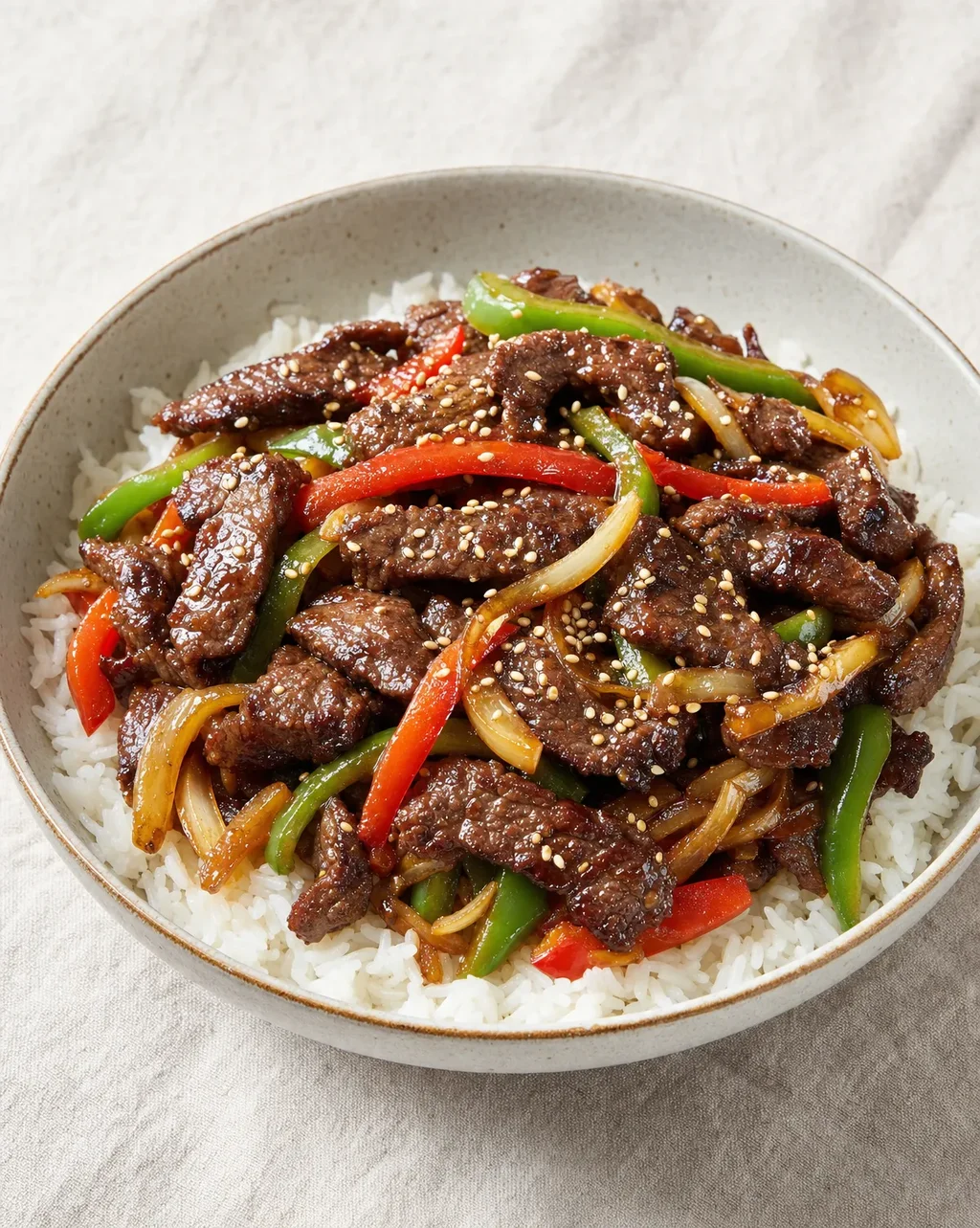
Pepper Steak Stir Fry Recipe (Chinese Style)

How to Make Authentic Chinese Scallion Pancakes

Char Siu (Chinese BBQ Pork)

Chicken and Broccoli (Chinese Takeout Style)

Chinese Egg Stir Fry Noodles Recipe with Savory Garlic Sauce

Easy Bourbon Chicken – Sweet Sticky Chinese Takeout

Chinese Beef Stir Fry Recipe (Oyster Sauce)

Easy Chinese Curry Chicken
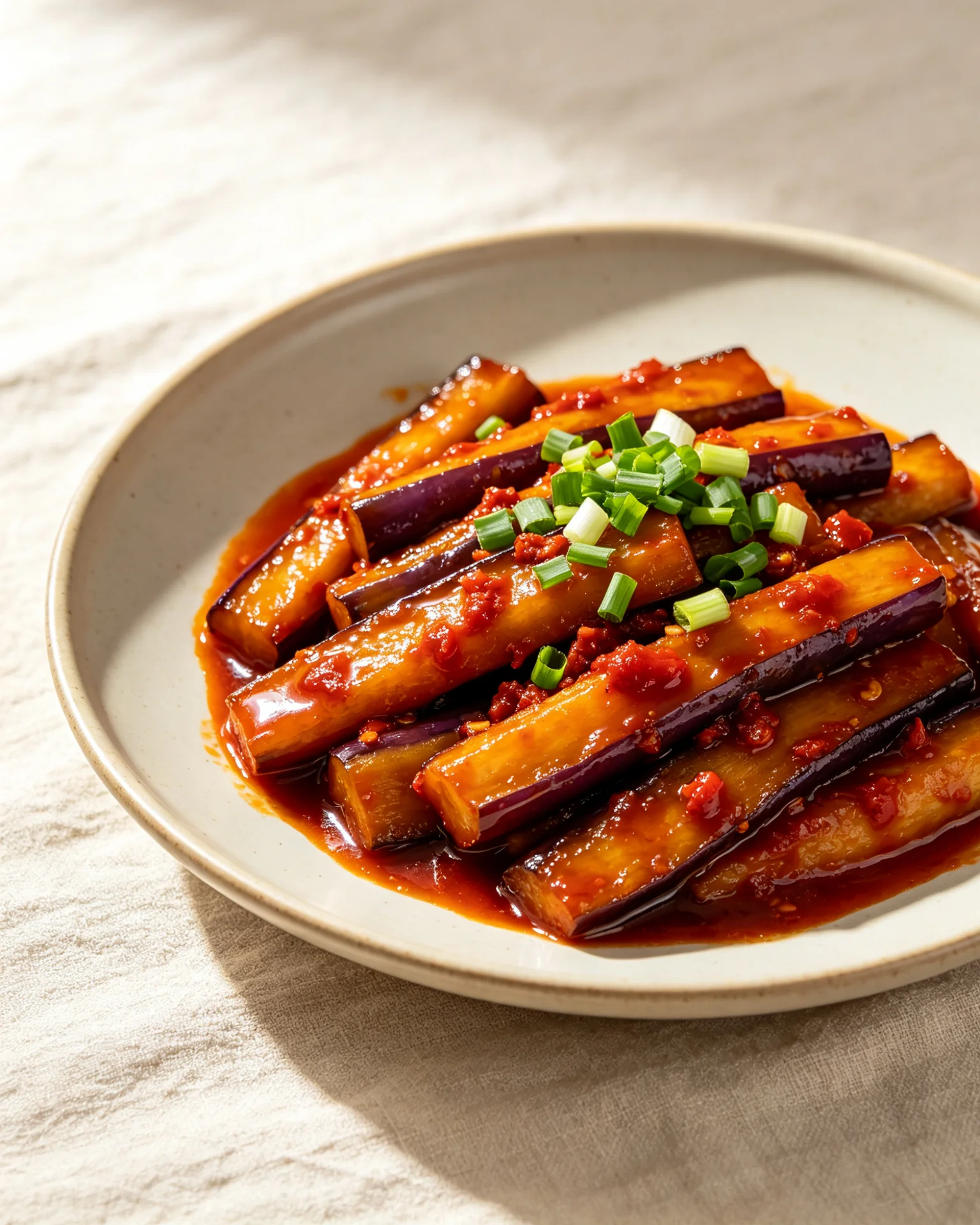
Chinese Eggplant with Garlic Sauce (鱼香茄子)

Chinese Cabbage Stir-Fry – Quick 15-Minute Side Dish

Loading comments...