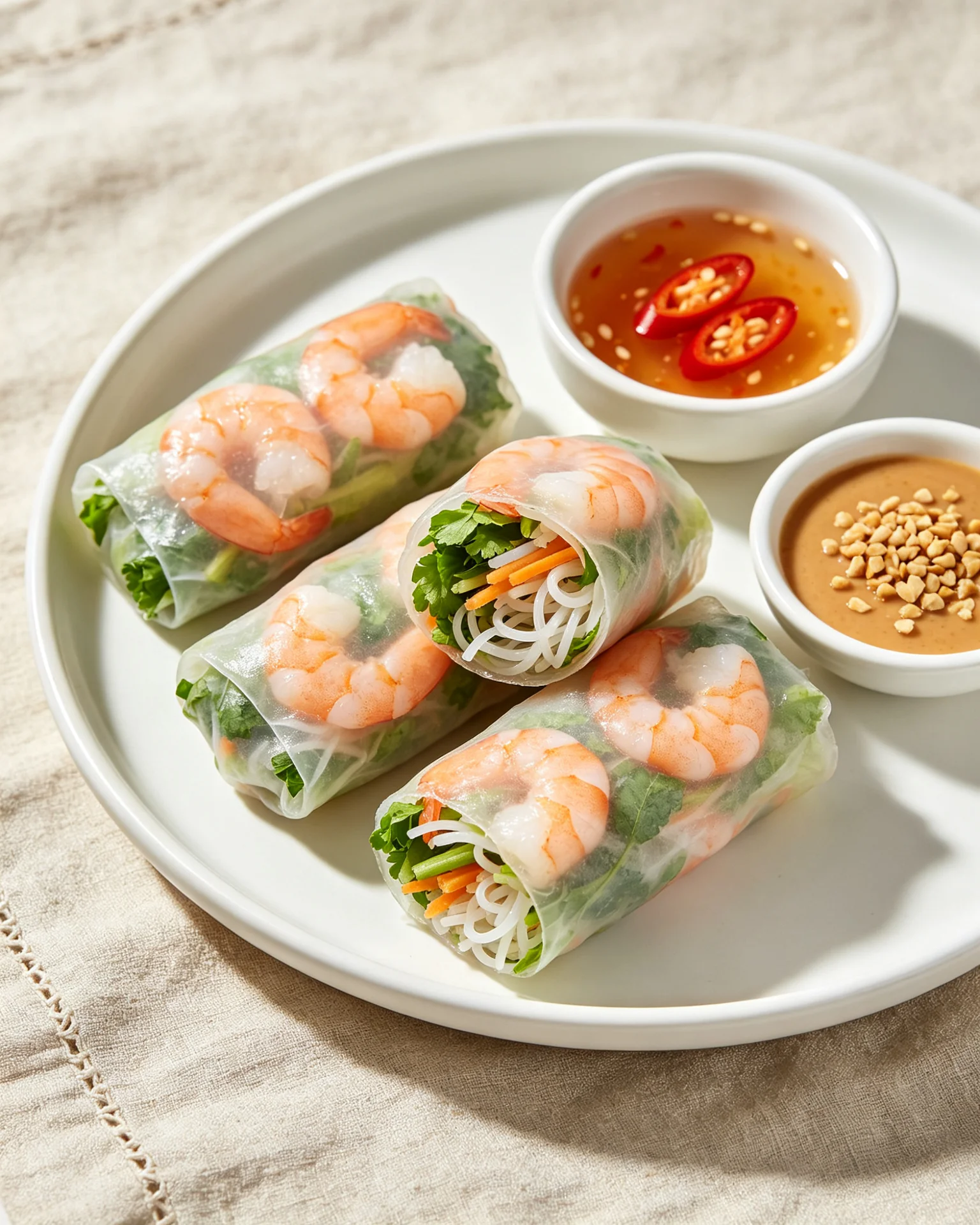
Traditional Vietnamese Rice Paper Rolls Recipe (Fresh Goi Cuon)
1 hr 10 min
Vietnamese cooking is all about balance — bright, fresh, and layered. These recipes show you how to get that restaurant clarity at home.
Vietnamese home cooking is built around freshness, lightness, and contrast. Unlike Chinese or Korean cooking which builds depth through fermentation and long cooking, Vietnamese cooking achieves complexity through the contrast of cooked and raw — a rich braised pork next to fresh herbs, a deeply savoury broth alongside a plate of bean sprouts and lime.
The defining characteristics are fresh herbs (mint, coriander, Vietnamese basil, perilla), fish sauce as the primary seasoning, and rice in every form — steamed, as noodles, as paper, as flour.
Vietnamese home cooking is also one of the most accessible Asian cuisines for beginners — the techniques are straightforward and the ingredient list is shorter than most other Asian cuisines.
Building pho broth: Authentic pho broth requires charring onion and ginger directly over a flame or under a broiler until blackened on the outside — this adds smokiness and depth. The charred aromatics are then simmered with beef bones, star anise, cinnamon, cloves, cardamom, and coriander seeds for a minimum of 4 hours. The result is clear, deeply aromatic broth that cannot be replicated with shortcuts. Skim constantly during the first 30 minutes to keep the broth clear.
Nuoc cham construction: Nuoc cham is the foundational dipping sauce of Vietnamese cooking — fish sauce, lime juice, sugar, garlic, and fresh chili in balance. The ratio is 2 parts fish sauce, 2 parts lime juice, 1 part sugar, dissolved in 3 parts warm water. Adjust to taste — it should be simultaneously sour, sweet, salty, and slightly spicy. It accompanies spring rolls, grilled meats, rice noodle salads, and most Vietnamese dishes.
Fresh herb assembly: Vietnamese dishes are finished at the table with fresh herbs — not as garnish but as structural ingredients. Pho comes with a plate of bean sprouts, Thai basil, lime wedges, and fresh chilies. Bun dishes come with lettuce, cucumber, mint, and perilla. The diner builds their own bowl. Never skip the herb plate — it is half the dish.
Caramelising for kho dishes: Vietnamese kho (braised dishes like ca kho to — caramel fish) starts with making a dry caramel by melting sugar until amber, then adding fish sauce and coconut water to build the braising liquid. The caramel adds colour, depth, and a slight bitterness that balances the fish sauce's salt.
1 hr 10 min

4 hr 30 min
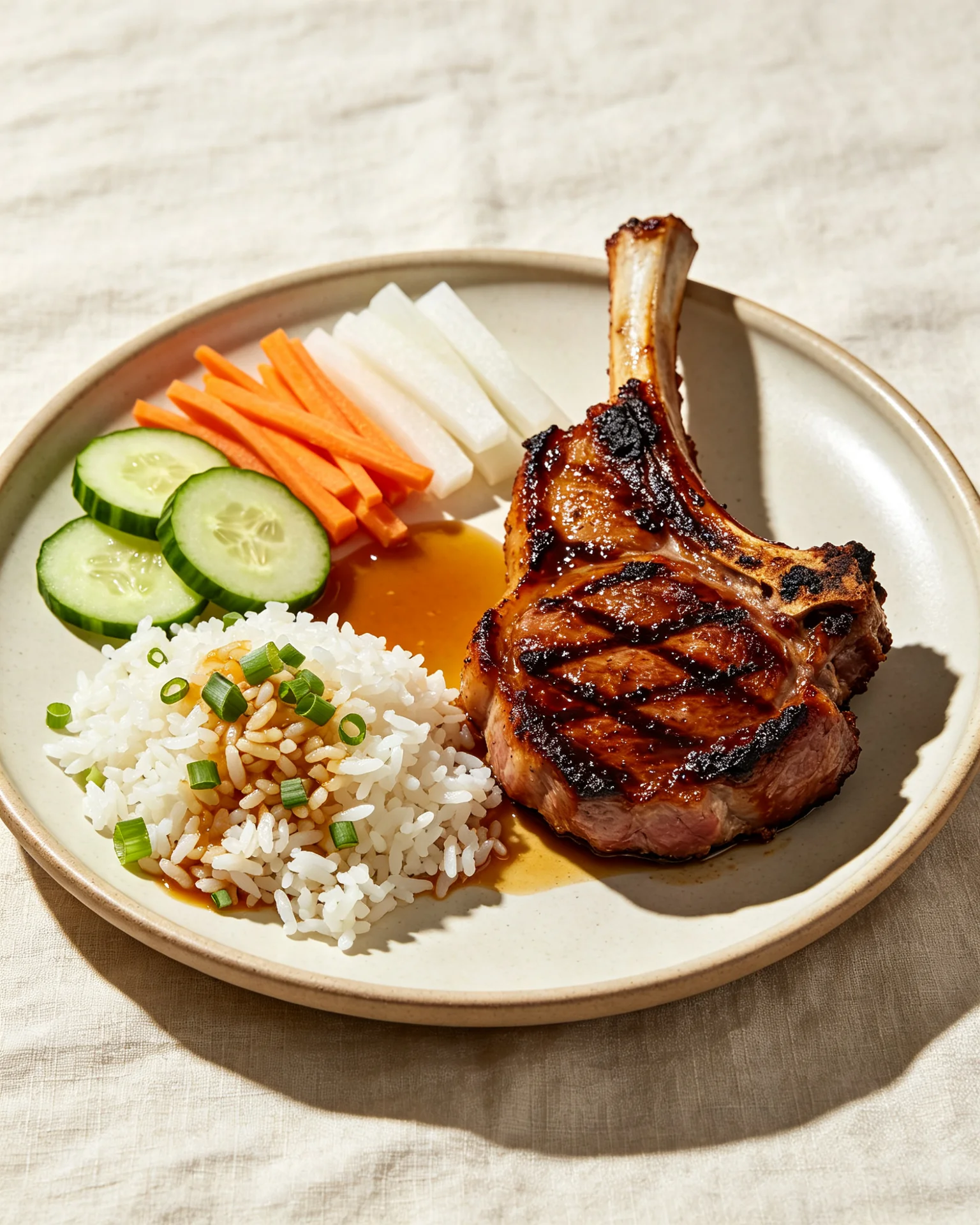
8 hr 30 min
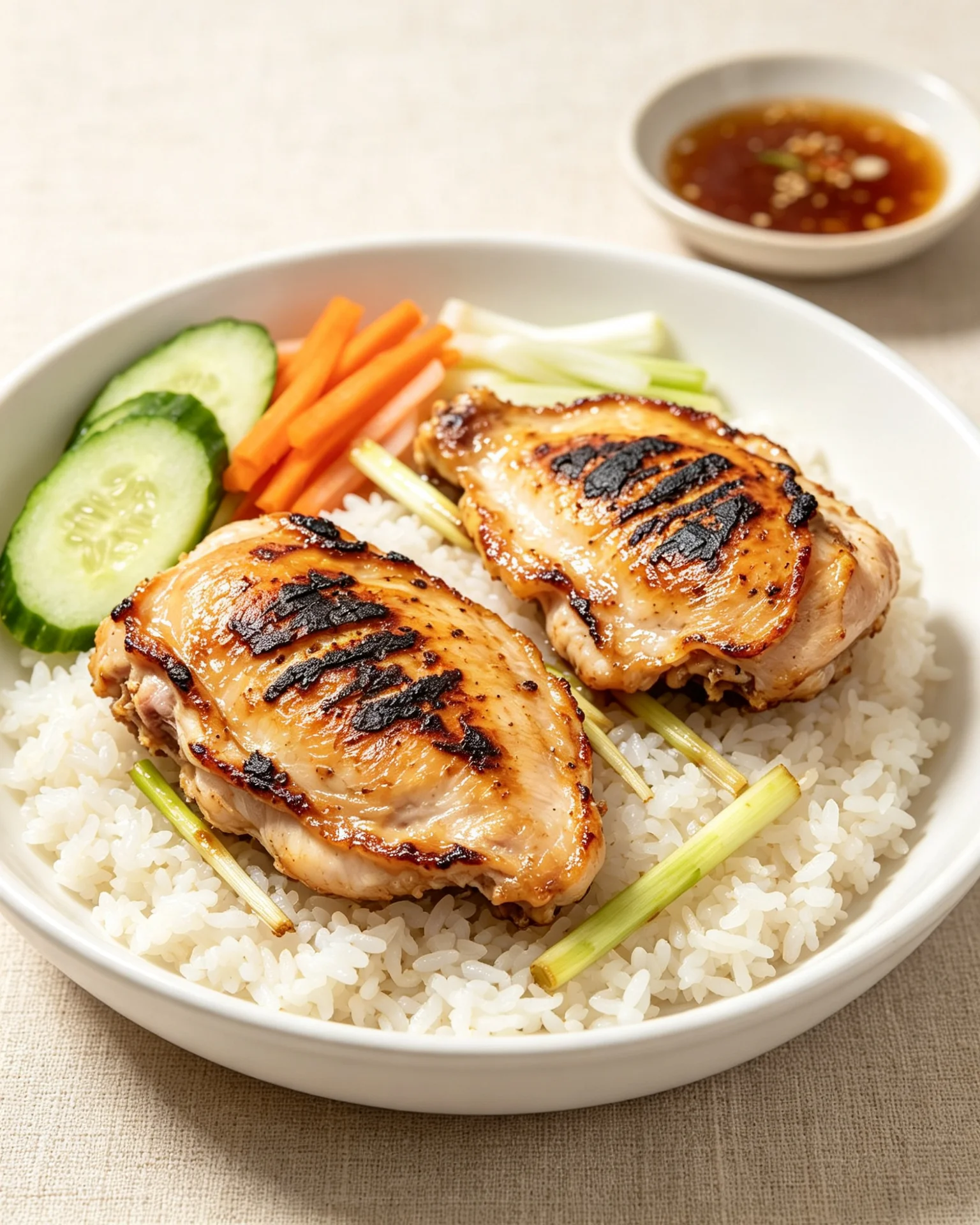
2 hr 30 min
Check out my complete guides to Thai, Filipino, and Vietnamese home cooking, pantry essentials, and techniques.
READ THE GUIDESPho uses beef bones, charred aromatics, and warm spices (star anise, cinnamon, cloves) to produce a clear, delicately flavoured broth. Bun bo hue uses pork and beef bones with lemongrass, shrimp paste, and annatto oil — the result is spicier, more pungent, and deeper in colour than pho. Pho noodles are flat and wide. Bun bo hue uses round, thicker noodles.
Vietnamese dishes are served with a fresh herb plate containing Thai basil (slightly anise-flavoured), mint (cooling and bright), perilla or shiso (earthy and slightly minty), coriander, and bean sprouts. These are not garnishes — they are eaten throughout the meal, added to broth, wrapped around grilled meat, or eaten alongside noodles to provide contrast against rich, savoury dishes.
Yes but with compromise. A pressure cooker reduces pho broth time to 1 to 2 hours from 4 to 6. The broth will be less clear and slightly less complex but close in flavour. The non-negotiable step regardless of method is charring the onion and ginger first — without it the broth lacks the smoky depth that defines pho. Do not skip the whole spices either — star anise, cinnamon, and cloves are essential.
Nuoc cham is the foundational Vietnamese dipping sauce — fish sauce, lime juice, sugar, garlic, and fresh chili in balance. It accompanies fresh spring rolls, grilled pork, rice noodle bowls, and most Vietnamese dishes. The ratio is 2 parts fish sauce, 2 parts lime juice, 1 part sugar dissolved in 3 parts warm water — adjusted to taste. It should be simultaneously sour, sweet, salty, and slightly spicy.