Bangladeshi Beef Tehari Recipe (গরুর তেহারী)
Jump to Section
The first time I made tehari and biryani in the same week, the rice in the tehari surprised me. The biryani rice tasted of the spices and ghee mixed into it during layering. The tehari rice tasted of beef, from within each grain, not just on the surface. Same spices, same rice variety, genuinely different result.
The difference is the cooking method. In tehari, the beef is cooked in mustard oil with spices until tender. The beef is then separated from its gravy, and the rice is cooked in that gravy. Not alongside it, not with it poured over, in it. The rice starch gelatinises by absorbing the gravy rather than plain water. The dissolved gelatin from the beef’s collagen, the rendered mustard oil, the spice compounds, and the glutamate from the beef proteins all become part of the grain structure as the starch swells and sets. Every grain of kalijeera absorbs the beef gravy as it cooks. This is why tehari rice tastes the way it does and why the method cannot be shortcutted without losing the thing that makes it distinct.
What is beef tehari and how is it different from biryani?
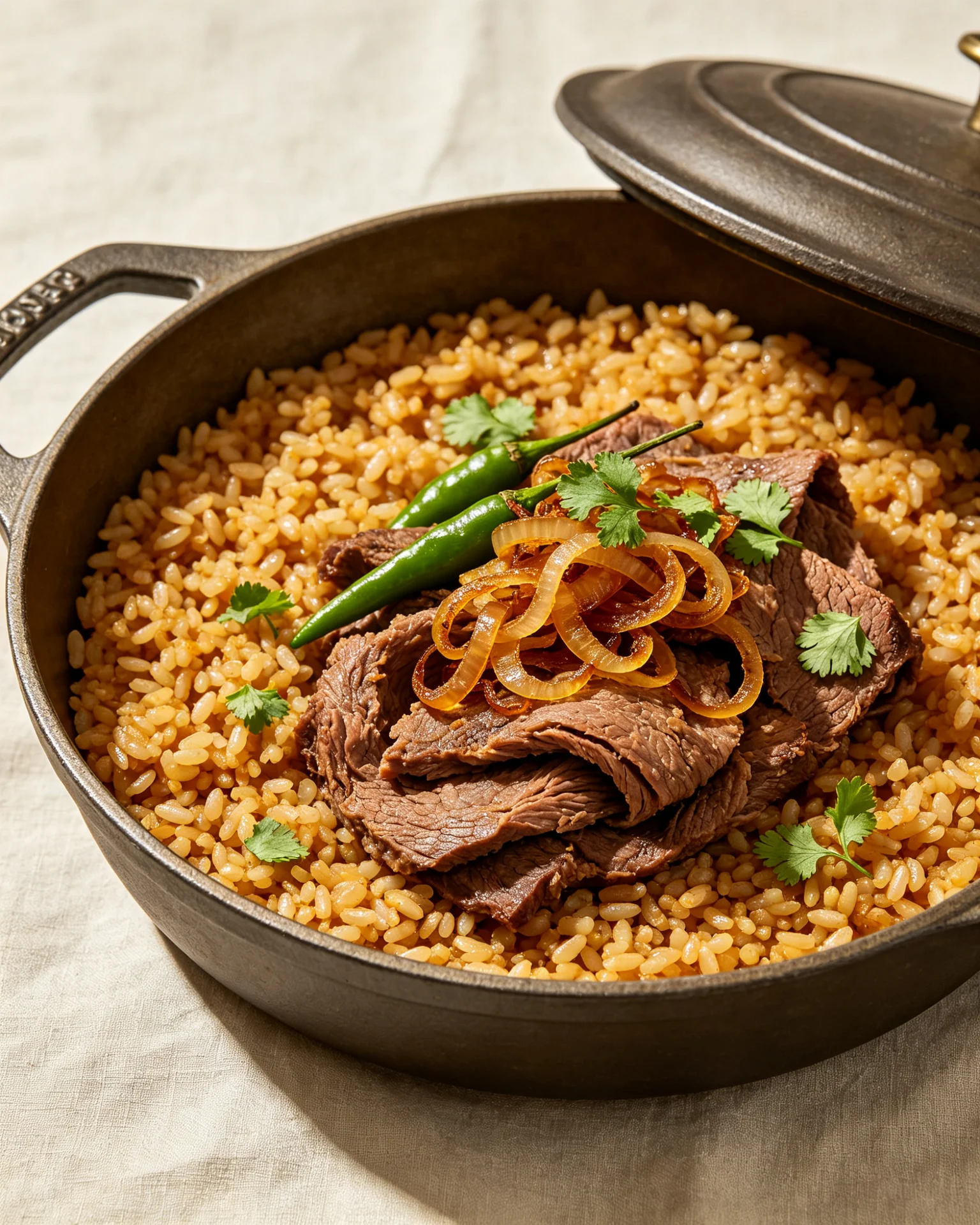
Tehari (তেহারী) is a one-pot Bangladeshi rice dish, beef cooked in mustard oil and spices, the gravy used to cook kalijeera rice, the beef returned, everything finished on low heat under a sealed lid. It is lighter than biryani, simpler in assembly, and produces a different flavour because the rice absorbs the cooking liquid from the beef rather than being cooked separately.
The distinction from biryani is structural. Biryani involves separate cooking streams, meat and rice cooked independently, then layered in a pot and sealed for dum. The rice and meat are distinct in a finished biryani: the rice tastes of the spices and fat applied to it during assembly, the meat tastes of its own marinade and cooking. In tehari, rice and meat finish cooking together in the same pot after the rice has absorbed the beef gravy. The flavour of the rice and the flavour of the beef are not separate, they have merged through the cooking liquid.
Tehari is also notably lighter than biryani. Biryani is traditionally made with ghee, clarified butter that produces richness and a slightly sweet fat character. Tehari is made with mustard oil, which is less viscous, sharper, and more pungent. A proper plate of old Dhaka tehari leaves you satisfied without the heaviness of a full biryani.
Where does tehari come from?
Tehari has a history that involves an almost complete reversal of its original identity.
The dish originated in the Awadh region of northern India, now Lucknow and surrounding areas, as a variation of biryani developed for the Hindu accountants and bookkeepers who worked in the courts of the Muslim Nawab rulers. These Hindu workers could not eat the meat biryanis served in the Muslim households. A vegetarian version was developed: yellow rice with potato, spiced similarly to biryani, called tehri. During the Second World War, when meat prices rose sharply across South Asia, this vegetarian rice dish became more widely eaten as an affordable substitute for meat biryani.
When tehri arrived in Dhaka, then part of undivided British India, local cooks replaced the potato with small pieces of beef and replaced the ghee with mustard oil. This was not adaptation but inversion. The vegetarian Hindu court dish became a beef and mustard oil preparation with a specifically Bangladeshi Muslim identity. The dish that was created to serve people who could not eat meat became the defining beef street food of old Dhaka.
Haji Biryani in Puran Dhaka (old Dhaka) has been serving this version of tehari since 1939, predating the partition of India, and remains the reference standard for authentic Dhakai tehari. The restaurant is named for biryani but tehari is the dish people travel across the city to eat.
Why does tehari use kalijeera rice and not basmati?
Kalijeera (কালিজিরা, also spelled kalijira or kalojeera) is a short-grain aromatic rice variety from Bangladesh with grains approximately half the length of basmati. The two differ not just in size but in starch composition.
Kalijeera contains a higher proportion of amylopectin, the branched starch structure that produces slightly stickier, more cohesive cooked grains. Basmati contains a higher proportion of amylose, the linear starch that produces the fluffy, separate grains basmati is known for.
In tehari, the rice is cooked in fat-rich, gelatin-heavy beef gravy rather than plain water. Kalijeera grains, with their higher amylopectin content, absorb this rich liquid more completely. Each grain takes up the spiced mustard oil and dissolved beef gelatin as part of its structure, becoming individually coated and flavoured throughout. The slightly higher stickiness of the amylopectin keeps each grain coated with the gravy compounds even after the excess liquid is absorbed.
Basmati cooked in the same gravy absorbs less liquid and produces a drier, less unified result. The basmati grains stay separate and fluffy but the gravy flavour is less thoroughly incorporated. The dish works but the characteristic richness and cohesion of tehari is reduced.
Kalijeera is available at Bangladeshi and South Asian grocery stores. It is inexpensive and worth seeking specifically for this recipe. If unavailable, short-grain jasmine rice is a closer substitute than basmati.
Why is the rice cooked in the beef gravy?
Covered in the opening but the full mechanism is worth mapping.
During the beef cooking stage, the collagen in the connective tissue of the beef breaks down, the same gelatin extraction process covered in the kacchi biryani recipe on this site. The resulting gravy contains dissolved gelatin, rendered mustard oil, fat-soluble spice aromatics, and glutamate from the beef muscle proteins.
When rice starch gelatinises during cooking, it absorbs the surrounding liquid as part of the gelatinisation process. The starch granules swell and absorb liquid until the granule structure sets into the gel network of cooked rice.
Rice cooked in water: the starch absorbs water. Any flavour from surrounding liquid is primarily deposited on the grain surface rather than incorporated into the grain structure. The rice tastes of what is added to it after cooking.
Rice cooked in beef gravy: the starch absorbs the gravy as it gelatinises. The gelatin, glutamate, mustard oil, and spice compounds enter the grain as part of the cooking process, they are incorporated into the starch gel network rather than sitting on the surface. The rice tastes of the gravy from within each grain rather than having the gravy taste as a surface coating.
This is why tehari rice tastes noticeably different from rice served alongside curry, even when the curry is the same spice profile. The cooking method produces flavour integration that cannot be achieved by simply pouring gravy over separately cooked rice.
Why does tehari use mustard oil and not ghee?
The choice of fat determines the character of the finished dish more than almost any other ingredient decision in tehari.
Mustard oil bloomed correctly, heated to smoking point to drive off the harsh erucic acid volatiles, as covered in the kacchi biryani recipe on this site, produces a sharp, pungent, grassy character that no other cooking fat replicates. When this bloomed mustard oil becomes the cooking medium for the beef, its character permeates the meat and becomes part of the gravy. When the rice cooks in that gravy, the mustard oil character transfers again, into each grain of rice.
Ghee produces a different result. The rich milk fat in ghee produces a sweeter, more rounded base with a slightly nutty character from the Maillard reaction of the milk solids during clarification. Tehari made with ghee is delicious but tastes more like Mughal pilaf than old Dhaka street food. The sharp pungency of mustard oil is what gives Bangladeshi tehari its specific identity.
Neutral oil (canola, sunflower) is an acceptable substitute and produces a clean-tasting tehari without the mustard character. Many home cooks use it regularly. But for the specific flavour of old Dhaka tehari as served at Haji Biryani, mustard oil is the correct fat.
Why do you use whole green chillies and not slit?
The instruction to use whole, unslit green chillies appears in every authentic tehari recipe and is almost never explained.
Capsaicin, the compound responsible for chilli heat, is concentrated in the seeds and the white placental tissue holding the seeds inside the chilli. It is not evenly distributed throughout the chilli flesh. The skin and outer flesh contain a different set of compounds: aromatic volatile terpenes with citrus and fresh green grass notes. These compounds are responsible for the fragrance of green chilli rather than its heat.
When whole, intact green chillies are added to the rice during cooking, the heat and steam cause the skin to release these aromatic terpene compounds into the surrounding steam and rice. The capsaicin, held inside with the seeds behind the intact skin, cannot significantly escape without physical disruption of the chilli.
The result: the rice and steam smell intensely of green chilli throughout the final cooking stage. The finished tehari has a pronounced fresh green chilli fragrance throughout. But the heat level from the whole chillies is considerably lower than if the same chillies had been slit or chopped, because the seed capsaicin has not been released.
Anyone who wants additional direct heat can pick out a whole chilli from the serving and break it open while eating. The choice is preserved rather than decided in the cooking.
What are beresta and how do they function in tehari?
Beresta (বেরেস্তা) are thinly sliced onions fried in mustard oil until deep golden-brown and crispy. The same ingredient discussed in the kacchi biryani recipe on this site, performing the same dual function.
During frying, the Maillard reaction between the onion’s sugars and amino acids produces caramelised aromatic compounds, pyrazines, melanoidins, furfurals, that give beresta its distinctive sweet-complex character that raw or simply cooked onion does not have.
In tehari, beresta is added to the rice layer. During the final dum cooking, the steam from the pot softens the beresta progressively. As it softens, the caramelised compounds dissolve into the surrounding rice, dispersing the beresta flavour throughout the dish. What goes in as a crispy garnish comes out as an integrated flavour component in every spoonful.
Beresta cannot be reduced in quantity or substituted with raw onion without losing this contribution. The caramelised compounds from the Maillard frying are specifically what dissolves into the tehari during dum.
Ingredients
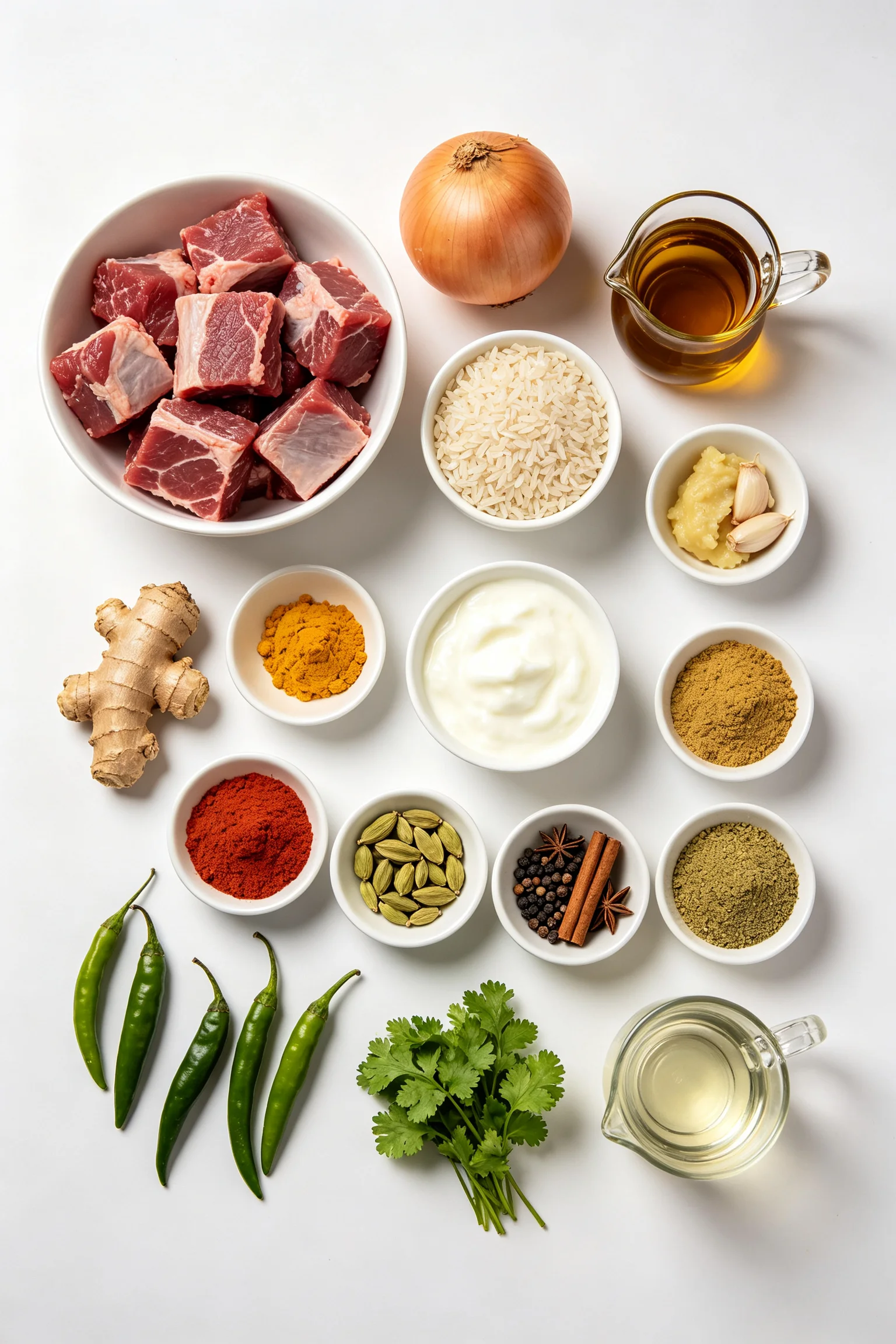
Serves 4
Beef:
- 600g (1.3lb) beef (chuck or shin), cut into 3cm pieces, bone-in pieces add flavour if available
- 3 tbsp mustard oil
- 1 large onion, thinly sliced (for beresta)
- 2 tbsp ginger-garlic paste
- ½ cup (120g) full-fat yogurt, whisked
- 1 tsp red chilli powder
- 1 tsp turmeric
- 1 tsp ground cumin
- 1 tsp ground coriander
- 1 tsp salt
- 2 bay leaves
- 4 green cardamom pods
- 2 black cardamom pods
- 1 cinnamon stick (5cm)
- 4 cloves
- 6 black peppercorns
Rice:
- 400g (2 cups) kalijeera rice, washed and soaked 20 minutes, drained
- 6-8 whole green chillies (do not slit)
- 1 tsp kewra water
- 2 tbsp ghee or additional mustard oil (for finishing)
- Salt to taste
Finishing:
- Beresta from the onion above
- Fresh coriander, roughly chopped
- Fried potato halves, optional but traditional
Instructions
The beef takes 60-75 minutes to become tender. Start the beef first, make the beresta while it cooks.
Step 1: Bloom the mustard oil and make beresta
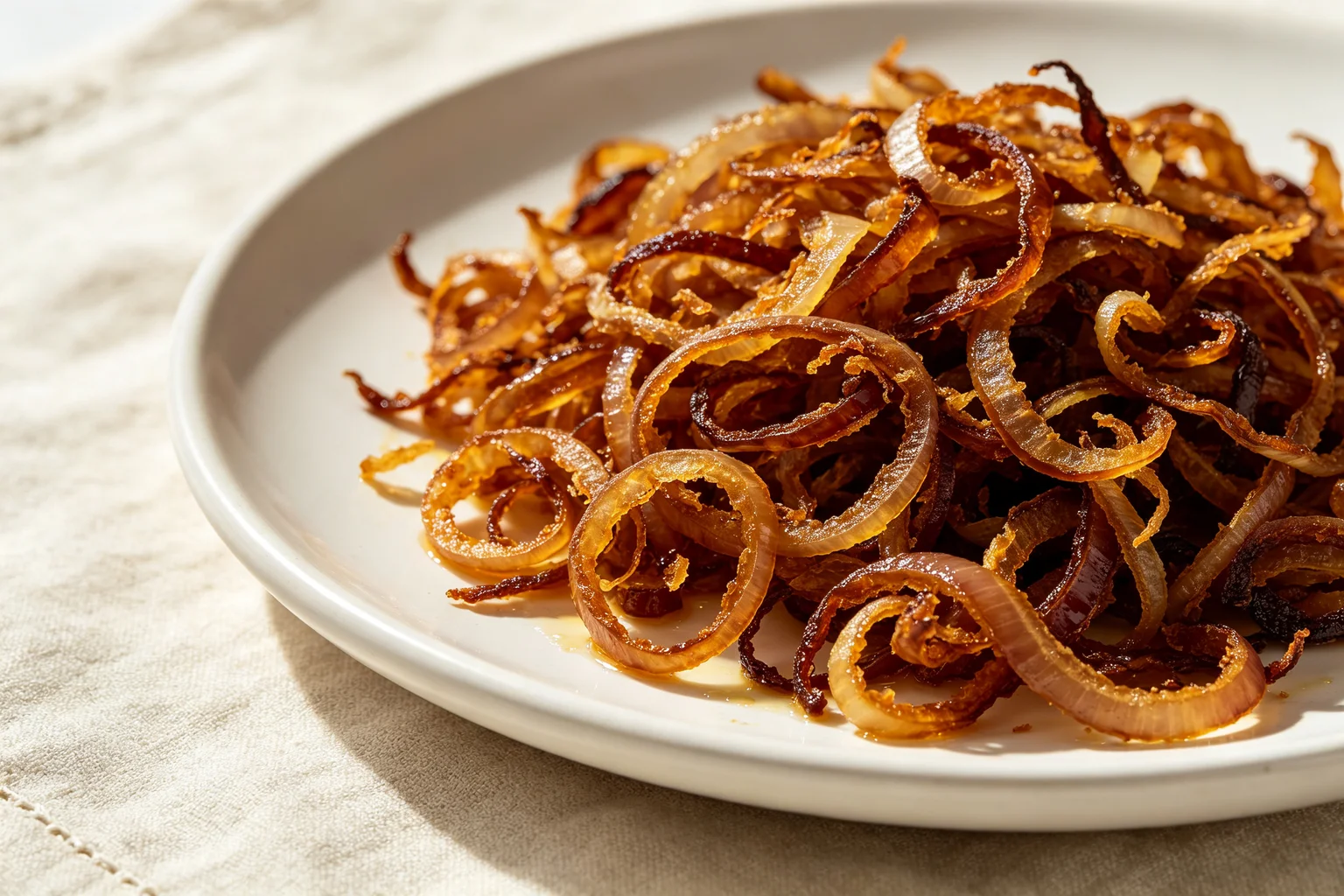
Heat mustard oil in a heavy-bottomed pot over high heat until smoking. This drives off the harsh erucic acid volatiles.
Step 2: Cook the beef
In the same pot with the remaining oil, add the whole spices, bay leaves, cardamom, cinnamon, cloves, peppercorns. Fry 30 seconds until fragrant.
Add the beef pieces. Stir to coat with the spiced oil. Add the whisked yogurt, red chilli powder, turmeric, cumin, coriander, and salt. Mix thoroughly so every piece is coated.
Cook covered over medium-low heat for 45-60 minutes, stirring every 15 minutes, until the beef is tender and the oil has separated from the masala. Add small amounts of water (2-3 tablespoons at a time) if the pot looks dry before the beef is tender.
Step 3: Separate the beef from the gravy
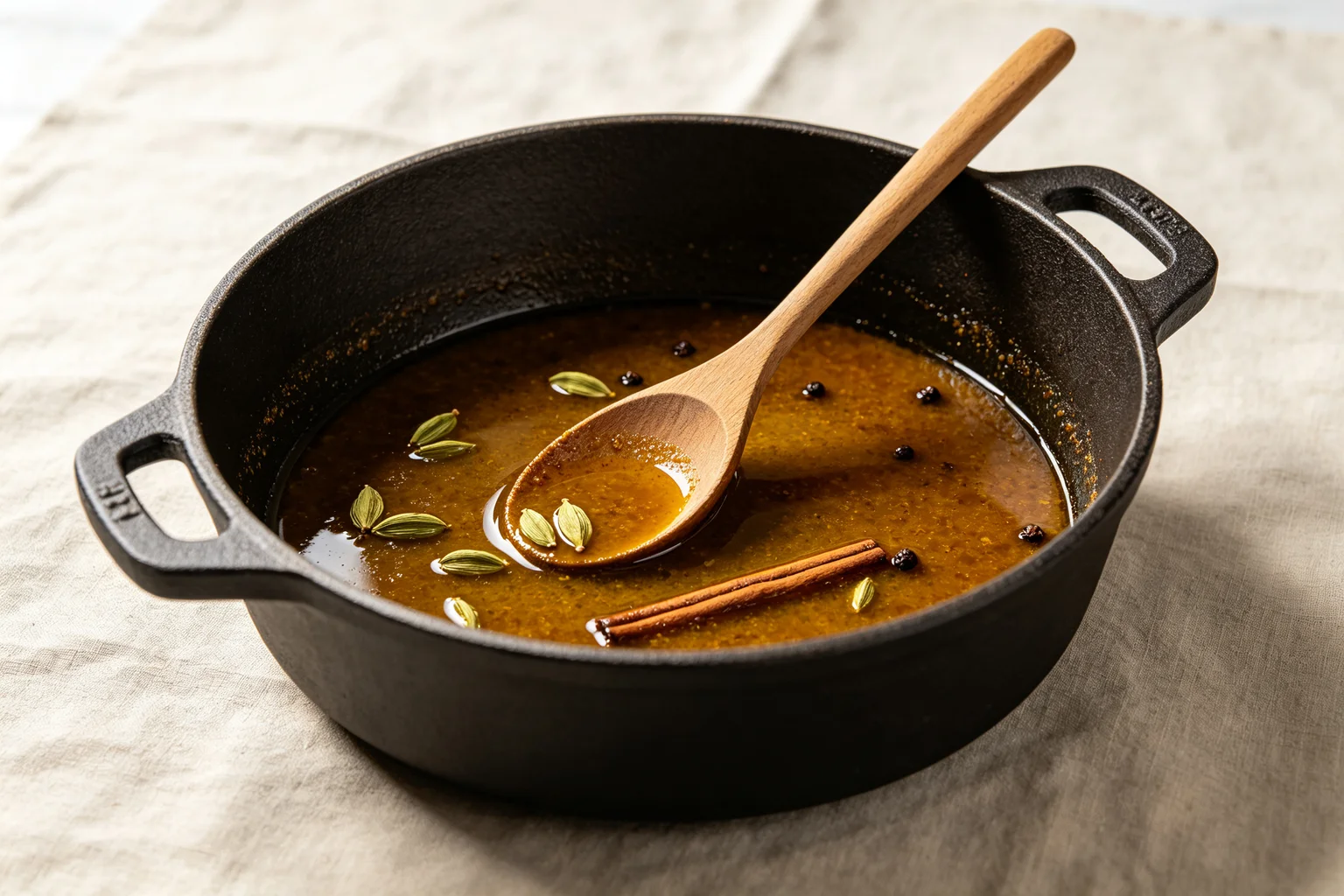
Once the beef is tender, remove the pieces with a slotted spoon and set aside. The remaining liquid in the pot is the tehari gravy, spiced mustard oil, dissolved gelatin, and beef cooking juices.
Step 4: Cook the kalijeera in the beef gravy
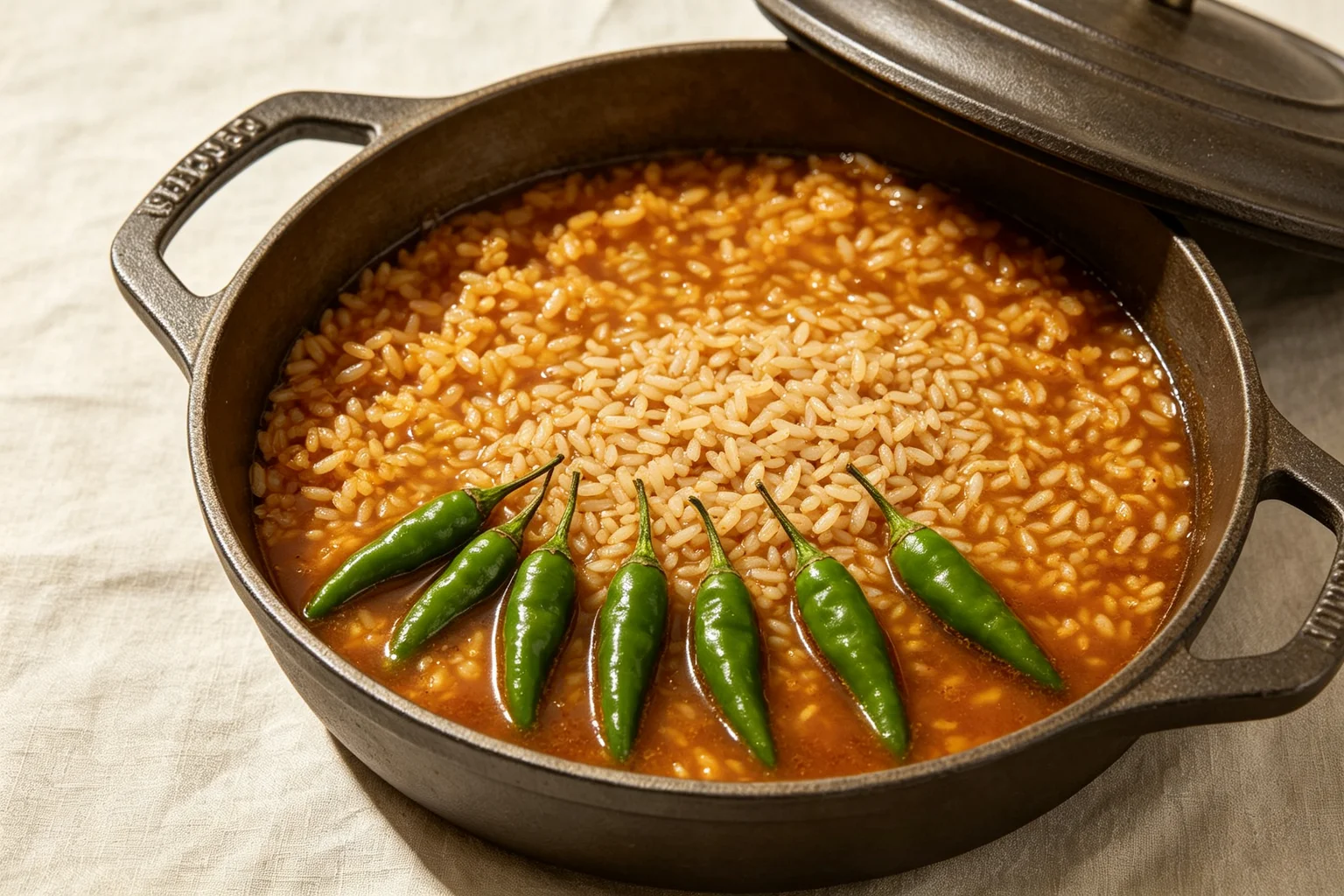
Measure the remaining gravy in the pot. Add enough water to bring the total liquid to 700ml (approximately 3 cups), the correct ratio for kalijeera rice.
Bring the gravy-water mixture to a boil over medium heat. Add salt to taste. Add the drained kalijeera rice. Stir once to distribute. Add the whole green chillies, push them just below the surface of the rice.
Cook uncovered over medium heat until the water has reduced to just below the level of the rice, approximately 8-10 minutes. The rice surface should look dry but the grains should still be undercooked when pressed.
Step 5: Return the beef and dum finish
Lay the cooked beef pieces over the surface of the partly-cooked rice. Scatter the beresta over everything.
Cover tightly with a lid. Seal the gap around the lid with a dough rope (flour and water mixed to a pliable dough), or press aluminium foil firmly around the rim and place the lid on top.
Place a flat tawa (griddle) or heavy flat pan under the pot to diffuse the heat. Cook on the lowest possible heat for 20-25 minutes.
Step 6: Rest and serve
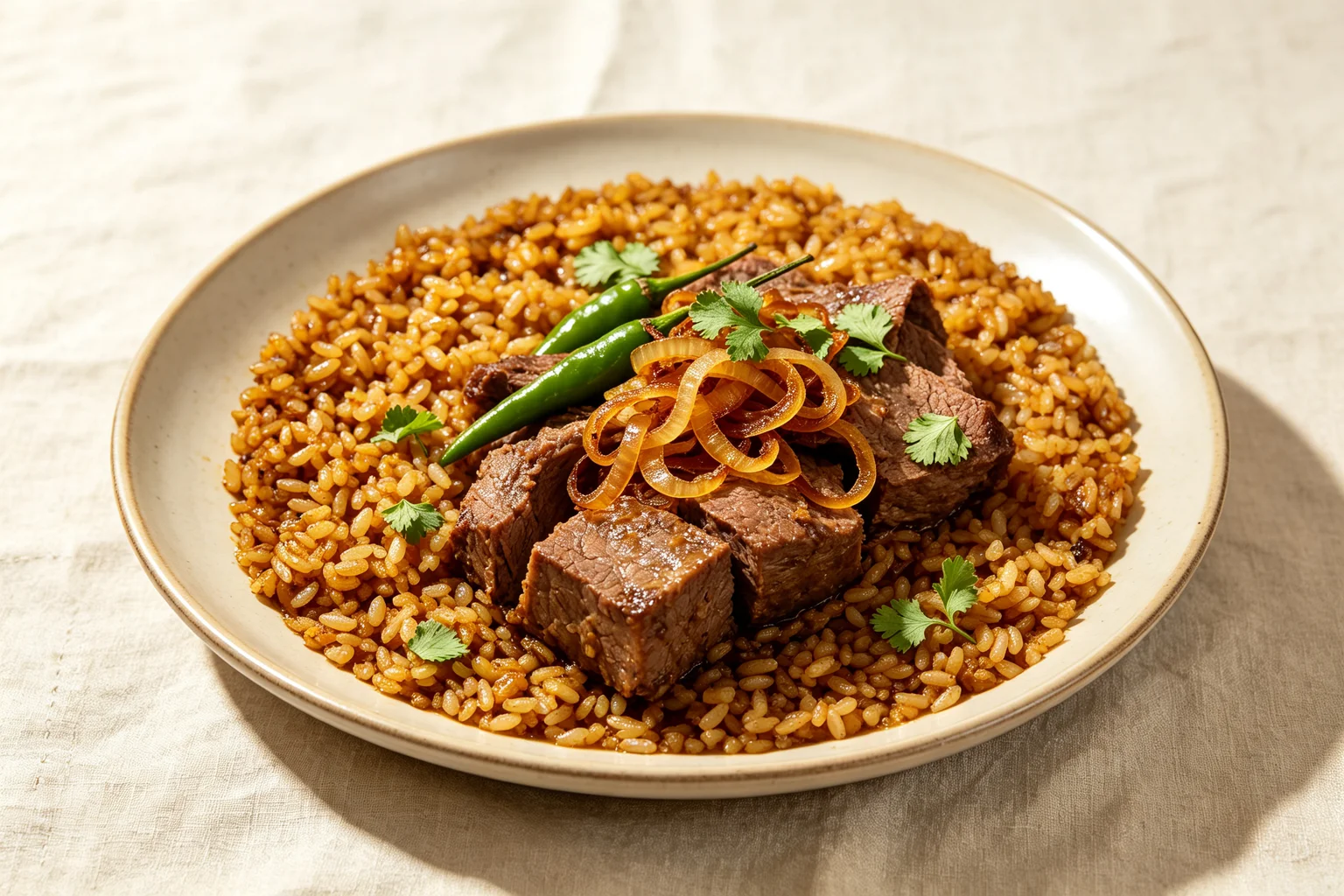
Remove from heat. Leave sealed for 10 minutes.
How do you serve and store beef tehari?
Serving: Tehari is a complete meal on its own and traditionally served with only a simple sliced cucumber and onion salad alongside. Borhani, the Bangladeshi spiced yogurt drink, is the authentic accompaniment. A separate borhani recipe is on this site.
Storage: Keeps refrigerated for 3 days. The kalijeera starch retrogrades when cold, making the rice slightly firmer, the same retrogradation process covered in the tteokbokki recipe on this site. Reheat with a splash of water in a covered pan over low heat. The rice softens back to its cooked texture within 3-4 minutes.
Freezing: Tehari freezes well for up to 1 month. Portion into containers before freezing. Thaw overnight in the refrigerator and reheat with added water as above.
Love Bangladeshi food?
Check out my complete guide to Bangladeshi home cooking, pantry essentials, and techniques.
FAQ
What is the difference between tehari and kacchi biryani? Both are Bangladeshi rice and beef dishes cooked on dum, but the technique is different at every stage. In tehari, the beef is pre-cooked, separated, and the gravy is used to cook the rice before the beef is returned. In kacchi biryani, raw marinated beef goes directly under par-cooked rice and everything cooks simultaneously through bidirectional flavour migration. Tehari is lighter, faster, and the rice absorbs pre-made gravy. Kacchi biryani is richer, takes two days, and the rice absorbs steam rising from raw meat. Both are covered in separate recipes on this site.
Can I use basmati instead of kalijeera? Yes, but adjust the water ratio, basmati typically requires more water per cup of rice than kalijeera (approximately 1.5 cups water per cup of basmati vs 1.6-1.75 cups for kalijeera). The result will be lighter and fluffier with less of the cohesive, gravy-coated character of kalijeera tehari. If using basmati, soak for 30 minutes rather than 20. The flavour of the gravy integration will still be present but less pronounced.
Why does my tehari rice come out mushy? Two causes. First, too much water, the kalijeera rice absorbs more liquid than expected and the excess water softens the grains past their correct texture. Start with 700ml total liquid for 400g rice and adjust based on how the rice looks at the 8-10 minute mark before sealing. Second, the rice was not soaked before cooking, unsoaked kalijeera absorbs water unevenly and some grains overcook while others remain undercooked. Always soak for at least 20 minutes and drain completely before adding to the pot.
Can I make tehari without mustard oil? Yes. Neutral oil produces a clean-tasting tehari with less of the pungent Bangladeshi character. Ghee produces a richer, sweeter result closer to Mughal pilaf than old Dhaka street food. Either is acceptable. For the specific flavour of authentic Dhakai tehari, mustard oil heated to smoking point before cooking is the correct fat. The smoking step is what drives off the harsh raw mustard oil character, if you skip the smoking step and add mustard oil cold, the raw pungency is too aggressive and unpleasant.
Bangladeshi Beef Tehari Recipe (গরুর তেহারী)
PT30M
PT1H30M |
PT2H |
Nutrition Facts
Ingredients
- 600g (1.3lb) beef (chuck or shin), cut into 3cm pieces, bone-in pieces add flavour if available
- 3 tbsp mustard oil
- 1 large onion, thinly sliced (for beresta)
- 2 tbsp ginger-garlic paste
- ½ cup (120g) full-fat yogurt, whisked
- 1 tsp red chilli powder
- 1 tsp turmeric
- 1 tsp ground cumin
- 1 tsp ground coriander
- 1 tsp salt
- 2 bay leaves
- 4 green cardamom pods
- 2 black cardamom pods
- 1 cinnamon stick (5cm)
- 4 cloves
- 6 black peppercorns
- 400g (2 cups) kalijeera rice, washed and soaked 20 minutes, drained
- 6-8 whole green chillies (do not slit)
- 1 tsp kewra water
- 2 tbsp ghee or additional mustard oil (for finishing)
- Salt to taste
- Beresta from the onion above
- Fresh coriander, roughly chopped
- Fried potato halves, optional but traditional
Instructions
- *The beef takes 60-75 minutes to become tender. Start the beef first, make the beresta while it cooks.*
- Heat mustard oil in a heavy-bottomed pot over high heat until smoking. This drives off the harsh erucic acid volatiles. Reduce to medium heat. Add the sliced onion. Fry over medium heat, stirring frequently, for 15-20 minutes until deep golden-brown and crispy. Remove with a slotted spoon. Drain on kitchen paper. Set aside. This is the beresta.
- In the same pot with the remaining oil, add the whole spices, bay leaves, cardamom, cinnamon, cloves, peppercorns. Fry 30 seconds until fragrant. Add the ginger-garlic paste. Stir 1 minute. Add the beef pieces. Stir to coat with the spiced oil. Add the whisked yogurt, red chilli powder, turmeric, cumin, coriander, and salt. Mix thoroughly so every piece is coated. Cook covered over medium-low heat for 45-60 minutes, stirring every 15 minutes, until the beef is tender and the oil has separated from the masala. Add small amounts of water (2-3 tablespoons at a time) if the pot looks dry before the beef is tender.
- Once the beef is tender, remove the pieces with a slotted spoon and set aside. The remaining liquid in the pot is the tehari gravy, spiced mustard oil, dissolved gelatin, and beef cooking juices. Do not discard any of it.
- Measure the remaining gravy in the pot. Add enough water to bring the total liquid to 700ml (approximately 3 cups), the correct ratio for kalijeera rice. Bring the gravy-water mixture to a boil over medium heat. Add salt to taste. Add the drained kalijeera rice. Stir once to distribute. Add the whole green chillies, push them just below the surface of the rice. Cook uncovered over medium heat until the water has reduced to just below the level of the rice, approximately 8-10 minutes. The rice surface should look dry but the grains should still be undercooked when pressed.
- Lay the cooked beef pieces over the surface of the partly-cooked rice. Scatter the beresta over everything. Add the fried potato halves if using. Drizzle kewra water and ghee over the top. Scatter fresh coriander. Cover tightly with a lid. Seal the gap around the lid with a dough rope (flour and water mixed to a pliable dough), or press aluminium foil firmly around the rim and place the lid on top. Place a flat tawa (griddle) or heavy flat pan under the pot to diffuse the heat. Cook on the lowest possible heat for 20-25 minutes.
- Remove from heat. Leave sealed for 10 minutes. Break the seal. Gently fold the tehari from the bottom upward in sections, do not stir aggressively. The bottom rice should be the most deeply flavoured. Serve directly from the pot onto plates. ## How do you serve and store beef tehari? Serving: Tehari is a complete meal on its own and traditionally served with only a simple sliced cucumber and onion salad alongside. Borhani, the Bangladeshi spiced yogurt drink, is the authentic accompaniment. A separate borhani recipe is on this site. Storage: Keeps refrigerated for 3 days. The kalijeera starch retrogrades when cold, making the rice slightly firmer, the same retrogradation process covered in the tteokbokki recipe on this site. Reheat with a splash of water in a covered pan over low heat. The rice softens back to its cooked texture within 3-4 minutes. Freezing: Tehari freezes well for up to 1 month. Portion into containers before freezing. Thaw overnight in the refrigerator and reheat with added water as above.
Did you make this recipe?
Tag @asianfoodsdaily on Instagram or leave a comment below!
Testing Notes
Tested in Asha's kitchen. Last reviewed June 17, 2026.
Ingredient Substitutions
Substitution notes coming soon.
About Asha
Half Asian, half African cook raised between two food-obsessed cultures. I've spent 10 years learning Asian cooking traditions through family, friends, and thousands of hours at the stove — testing every dish until it works in a standard home kitchen.
Read my full storyRelated Recipes
More delicious dishes you might enjoy


Loading comments...