How to Season a Wok — Carbon Steel Seasoning Guide

The first wok I bought came with a manufacturer’s note that said “season before use.” It did not say how. I spent 20 minutes with a paper towel and some vegetable oil, convinced I had done it correctly, cooked a stir-fry, and spent the next 10 minutes scrubbing burnt egg off bare metal. It took me three more attempts and a lot of smoke before I understood what seasoning actually does — and why the method matters as much as the act.
A seasoned wok is not a wok that has been oiled. It is a wok that has developed a polymerised carbon layer bonded to the metal surface. That layer is what makes it non-stick, rust-resistant, and capable of producing the smoky, slightly charred quality that defines good wok cooking. You cannot rush it into existence with one session. You build it over time — and you protect it every time you cook.
What type of wok actually needs seasoning?
Only carbon steel and cast iron woks require and benefit from seasoning. Stainless steel woks do not — oil applied to stainless steel sits on the surface rather than bonding with it, producing uneven cooking and rancid buildup rather than a protective patina.
Carbon steel is the correct material for Asian home cooking. It heats faster than cast iron, responds to temperature changes instantly, and develops a better non-stick surface over time. Professional Chinese kitchen cooks use carbon steel almost exclusively. The tradeoff is that it requires seasoning and maintenance. Non-stick woks require neither — but they cannot withstand the high heat required for wok hei and will not last more than 2 to 3 years of regular use.
If you are buying your first carbon steel wok, these are the options I recommend: this 14-inch carbon steel wok, this flat-bottom carbon steel option for electric stoves, and this round-bottom version for gas burners.
According to Wikipedia’s entry on carbon steel cookware, the polymerisation process that creates seasoning occurs when oil is heated past its smoke point and bonds to the metal surface — producing a layer that is both non-stick and protective against oxidation.
What happens chemically when you season a wok?
Seasoning is polymerisation — oil molecules breaking down under high heat and bonding to the carbon steel surface in a hard, slick layer. When you heat oil past its smoke point in a carbon steel wok, the fatty acid chains in the oil cross-link and form a polymer network that adheres permanently to the metal. Each subsequent seasoning session adds another layer on top of the previous one.
The colour change that signals this is happening: raw carbon steel is silver-grey. As the polymerised layers build up, the wok turns progressively darker — first golden, then brown, then black over months of use. A black wok is a well-seasoned wok. That colour is not burnt food. It is accumulated polymerised oil — the same material that makes cast iron skillets non-stick after years of use.
This is why you cannot season a wok once and consider it done. The first seasoning session produces one thin layer. It needs 3 to 5 sessions before the surface becomes genuinely non-stick, and continues improving with every cooking session afterward. See the Chinese cooking guide for more on how wok seasoning connects to wok hei technique.

How do you season a carbon steel wok for the first time?
A new carbon steel wok arrives coated in a protective factory oil — usually a mineral or industrial oil applied to prevent rust during shipping. This must be removed completely before the first seasoning. Cooking on top of factory oil produces a sticky, uneven surface that will not polymerise correctly.
Step 1: Remove the factory coating: Wash the wok thoroughly with hot water, dish soap, and a scrubbing sponge. This is the only time you will ever use soap on a carbon steel wok. Scrub all surfaces — inside, outside, and the base. Rinse completely.
Step 2: Dry completely: Dry immediately with a towel then place the wok on the stove over medium heat for 2 to 3 minutes to evaporate all remaining moisture. Any water left on bare carbon steel will cause rust within minutes.
Step 3: Heat until colour changes: Turn the heat to high. Heat the wok, tilting it in all directions to expose every surface to the heat source. Watch for the metal to shift colour — it will turn from silver-grey to blue to gold. This colour change indicates the steel has opened its surface for oil to bond. The process takes 3 to 5 minutes on a gas burner and longer on electric.

Step 4: Apply oil in a thin layer: Remove from heat briefly. Add 1 tablespoon of high smoke point oil — peanut, grapeseed, or vegetable oil. Use a folded paper towel held with tongs to spread the oil in a very thin, even layer across every surface including the sides. Less oil is better. A thick layer will not polymerise evenly and will produce a sticky, uneven result.
Step 5: Heat past smoke point: Return to high heat. Heat until the oil begins to smoke — this is the polymerisation beginning. Keep heating for 2 to 3 minutes after smoking starts. The surface will darken slightly.
Step 6: Cool and repeat: Remove from heat. Allow to cool completely. Repeat Steps 4 and 5 three to four more times in the same session. Each repetition adds one layer. After 4 to 5 layers in the initial seasoning session, the wok is ready for its first cook.
First cook recommendation: stir-fry aromatics. Heat the wok, add oil, add sliced ginger and scallions, fry for 3 to 4 minutes moving constantly.
How do you maintain wok seasoning after every use?
Maintaining seasoning is simpler than building it. After every cook the process takes less than 3 minutes.
Immediately after cooking: while the wok is still hot, add a small amount of water and use a wok brush to loosen any food residue. Never use soap after the initial wash — soap breaks down the polymerised oil layer. Never use steel wool. For stubborn residue, use coarse salt as an abrasive — it scrubs without damaging the seasoning.
After cleaning: dry the wok completely on the stove over medium heat for 1 to 2 minutes. Apply a very thin layer of high smoke point oil to the inside surface — just enough to coat, not enough to pool. Store in a dry place.
The most common maintenance mistake I made in my first year of wok cooking: leaving it to air dry. Carbon steel begins rusting within hours of water contact on an unseasoned surface. After every wash, dry on the stove, oil lightly, store. It takes 90 seconds and prevents the rusting problem entirely.
Does the type of oil matter for seasoning?

Yes — the oil must have a high smoke point and a low or moderate amount of saturated fat. Oils with high saturated fat content (coconut oil, butter) polymerise poorly and produce a sticky rather than hard surface. Oils with high polyunsaturated fat content (flaxseed oil) polymerise well but produce a brittle surface that flakes.
Best oils for wok seasoning: peanut oil (smoke point 232°C / 450°F), grapeseed oil (smoke point 216°C / 421°F), vegetable oil (smoke point 204°C / 400°F). All three produce a durable, even polymerised layer. I use this high smoke point oil for both seasoning and everyday wok cooking.
Avoid: olive oil (too low smoke point at 190°C / 375°F), coconut oil (too much saturated fat), flaxseed oil (polymerises brittly).
How do you fix a rusty or damaged wok?

Rust on carbon steel is not the end of the wok. It is bare metal that has oxidised — remove it and re-season. I have done this twice with the same wok after extended periods of non-use.
Step 1: Remove rust: Scrub the affected area with coarse salt and a cut potato, or with steel wool for severe rust. The goal is bare, clean metal. For heavily rusted woks, a paste of baking soda and water scrubbed with steel wool removes rust effectively without damaging the underlying metal.
Step 2: Wash and dry completely: Wash with hot water and soap to remove all rust particles. Dry immediately and completely on the stove over medium heat.
Step 3: Re-season from scratch: Follow the full first-time seasoning process above — 4 to 5 oil application cycles. The wok will return to full function within one seasoning session.
What is wok hei and does seasoning affect it?

Wok hei (鑊氣) is the smoky, slightly charred quality that defines authentic Chinese stir-fry cooking — the breath of the wok, literally translated. It is produced by the combination of very high heat, rapid tossing that exposes food to direct flame, and the Maillard reaction occurring simultaneously across multiple ingredients at high temperature.
Seasoning contributes to wok hei indirectly. A well-seasoned wok heats more evenly and reaches higher temperatures without hot spots. The polymerised surface releases food cleanly during tossing rather than sticking — which means ingredients spend more time airborne and less time steaming on the surface. A sticky, poorly seasoned wok traps moisture and produces steamed food rather than seared food.
The honest limitation for home cooks: domestic gas burners produce approximately 7,000 to 15,000 BTU. Professional Chinese kitchen burners produce 150,000 to 200,000 BTU. That heat differential is the primary reason restaurant wok hei is difficult to replicate at home — not seasoning. Season your wok properly, use the highest heat your burner produces, cook in small batches, and you will get as close to wok hei as a domestic stove allows. See the Chinese cooking guide for the full stir-fry technique.
FAQ
Do you need to season a non-stick wok? No. Non-stick woks have a factory-applied coating that does not benefit from seasoning and can be damaged by the high heat required for the seasoning process. Non-stick woks require only gentle cleaning and low to medium heat cooking. They will not develop wok hei capability regardless of how they are maintained.
How long does it take to season a wok properly? The initial seasoning session takes 45 to 60 minutes — washing, drying, and 4 to 5 oil application cycles. After that, the seasoning builds with every cook. A wok used 3 to 4 times per week will have a fully developed black patina within 2 to 3 months. A wok used occasionally may take 6 months to reach the same point.
Can you season a wok on an electric stove? Yes, but the process takes longer. Electric burners heat less evenly than gas and cannot reach the same peak temperatures. Compensate by heating each section of the wok longer before applying oil, and complete more oil application cycles — 6 to 8 rather than 4 to 5 — in the initial session.
What do you do if food sticks to a seasoned wok? Sticking after seasoning usually means the wok was not hot enough before oil was added, too much oil was used and it pooled rather than coating evenly, or the wok was washed with soap after a previous cook and the seasoning layer was stripped. Re-season with 2 to 3 oil application cycles and ensure the wok is smoking hot before adding ingredients.
About Asha
Half Asian, half African cook raised between two food-obsessed cultures. I've spent 10 years learning Asian cooking traditions through family, friends, and thousands of hours at the stove — testing every dish until it works in a standard home kitchen.
Read my full storyRecipes to Try

How to Make Thai Crying Tiger Beef (Suea Rong Hai) at Home
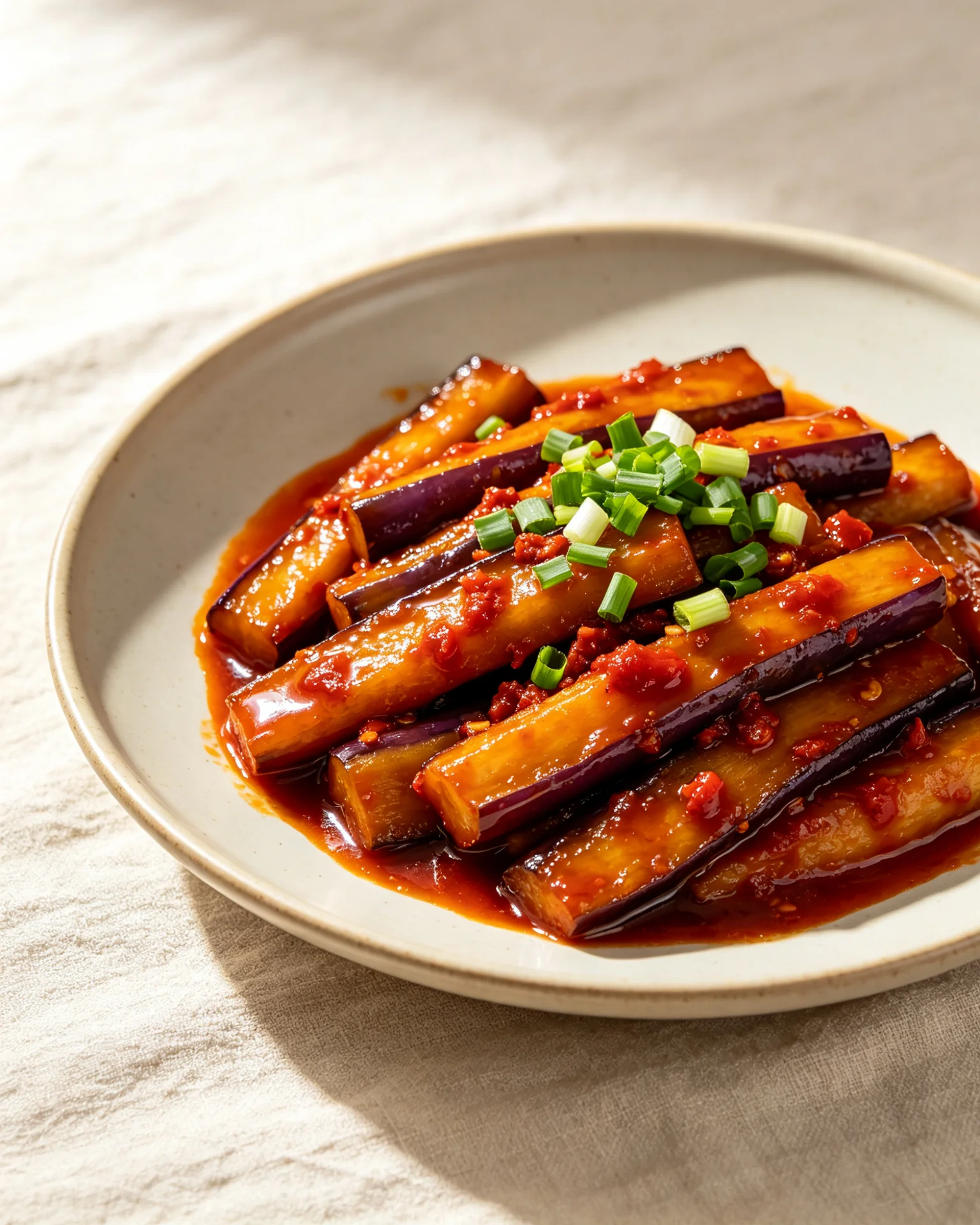
Chinese Eggplant with Garlic Sauce (鱼香茄子)
Beef Chow Fun Recipe (Gan Chao Niu He)

Mango Sticky Rice – Traditional Thai Dessert Recipe

Delicious Asian Style Chicken Wings

Pork Steak (Bistek Tagalog) Recipe

Indonesian Nasi Goreng (Street-Style Fried Rice)

Bang Bang Chicken Skewers Recipe

Buta no Kakuni – Japanese Braised Pork Belly Recipe

Filipino Pork Adobo Recipe with Tender Pork Belly

Chinese Cabbage Stir-Fry – Quick 15-Minute Side Dish

Loading comments...