Why Miso Table Sauce Belongs in Every Kitchen

Miso table sauce deserves a permanent spot in every kitchen because it acts as the ultimate culinary shortcut to deep, savory umami flavor. Unlike raw miso paste, which requires cooking or thinning, miso table sauce is a ready-to-use condiment designed for immediate application. It bridges the gap between a dipping sauce, a marinade, and a finishing glaze, offering a complex profile of salty, sweet, and earthy notes that enhances everything from roasted vegetables to grilled meats. Its versatility, long shelf life, and ability to elevate simple dishes make it an indispensable pantry staple for home cooks and professional chefs alike.
Introduction: The Secret Weapon of Modern Cooking
In the landscape of modern culinary arts, the pursuit of umami—the “fifth taste”—has become a defining characteristic of great home cooking. While soy sauce and fish sauce have long held the titles of essential umami boosters, a new contender has emerged that offers greater complexity and texture: miso table sauce.
Often found in Japanese households as furofuki daikon sauce or a simplified saikyo miso glaze, this condiment is distinct from the tubs of miso paste used for soup. It is a pre-emulsified, seasoned reduction designed for the table, not just the stove. As home cooks increasingly seek to blend global flavors with everyday convenience, miso table sauce provides an accessible entry point into Japanese flavor profiles without requiring mastery of intricate techniques.
What is Miso Table Sauce?

To understand the value of this ingredient, it is essential to define the entities that compose it. Semantic SEO requires us to distinguish between related concepts that often get conflated.
- The Base (Miso Paste): The foundation is typically Shiro Miso (white miso) or Aka Miso (red miso). White miso offers a milder, sweeter profile, while red miso provides a pungent, salty depth. Table sauce often utilizes a blend to balance these extremes.
- The Matrix (Mirin and Sake): Unlike raw paste, table sauce is loosened with mirin (sweet rice wine) and occasionally sake. This lowers the viscosity to a ketchup-like consistency and adds a glossy sheen.
- The Sweetener: Sugar or honey is almost always present. This isn’t just for flavor; it facilitates the Maillard reaction (browning) when the sauce is used as a glaze on heat.
Key Differentiation: Miso paste is an ingredient; miso table sauce is a condiment. You would not dip a fry into raw miso paste, but you would—and should—dip it into miso table sauce.
The Science of Flavor: Why It Tastes Better
The reason miso table sauce belongs in every kitchen lies in its biochemical complexity.
1. High Glutamate Content
Miso is a fermented soybean product. Through the fermentation process involving the Aspergillus oryzae fungus (koji), proteins are broken down into amino acids, specifically glutamate. Glutamate is the chemical signature of umami. When you add miso table sauce to a dish, you are chemically signaling the brain to recognize the food as savory and satisfying.
2. Balanced Sodium Perception
Salt is a critical flavor enhancer, but on its own, it can be harsh. In miso table sauce, the saltiness is buffered by sugars and the earthy notes of the soybeans. This allows cooks to season a dish heavily without the “salty” flavor becoming overwhelming, resulting in a rounder, softer taste profile.
Culinary Applications: Versatility Beyond Japanese Cuisine

Optimizing your pantry for efficiency means selecting ingredients that perform multiple roles. Miso table sauce is a “triple-threat” ingredient, functioning across three distinct categories of cooking.
1. The Marinade and Glaze
This is perhaps the most common application. The sugars in the sauce caramelize beautifully under heat.
- Proteins: Brush it onto salmon (Miso Black Cod style), chicken thighs, or steak during the last two minutes of grilling. The sugars create a crust that seals in juices.
- Vegetables: Toss root vegetables like carrots, parsnips, or sweet potatoes in the sauce before roasting. The glaze transforms earthy vegetables into candy-like delights.
2. The Ultimate Dipping Sauce

Because the texture is smooth and pourable, it excels as a dipping sauce where soy sauce might feel too thin or raw paste too thick.
- Fusion applications: Dip french fries, tempura, or spring rolls.
- Sandwich spread: Use it in place of mayonnaise on a turkey or roast beef sandwich for an instant umami kick.
3. The Salad Dressing Base
Store-bought dressings often lack depth. By whisking a tablespoon of miso table sauce with rice vinegar and a neutral oil (like grapeseed or avocado), you create a restaurant-quality vinaigrette in seconds. It pairs exceptionally well with bitter greens like kale or radicchio, cutting through the bitterness with sweet and savory notes.
Health Benefits: A “Functional” Condiment
Beyond flavor, miso table sauce brings functional health benefits to the table, aligning with the trend toward “food as medicine.”
- Probiotics: As a fermented food, unpasteurized miso contains beneficial bacteria that support gut health. However, it is important to note that high heat can kill these bacteria. To maximize the probiotic benefit, use the sauce as a dip or finishing drizzle rather than cooking it at high temperatures for extended periods.
- Nutrient Density: Miso contains essential minerals such as manganese, vitamin K, and copper. It also provides a small amount of plant-based protein.
- Reduced Sodium Alternative: Because the flavor is so potent, cooks often use less sauce than they would salt or soy sauce to achieve a satisfying flavor, potentially reducing overall sodium intake.
Miso Table Sauce vs. Other Pantry Staples
| Feature | Miso Table Sauce | Soy Sauce | Fish Sauce | Raw Miso Paste |
| :--- | :--- | :--- | :--- | :--- |
| Texture | Thick, glossy | Liquid, watery | Liquid, watery | Thick, grainy |
| Flavor Profile | Salty, sweet, earthy | Salty, sharp | Salty, fishy, pungent | Salty, earthy, raw |
| Ready-to-Eat? | Yes | Yes | Yes | No (needs prep) |
| Primary Use | Dip, Glaze, Dressing | Seasoning, Dip | Seasoning | Soup base, Cooking |
| Vegetarian? | Yes (usually) | Yes | No | Yes |
As the table illustrates, miso table sauce occupies a unique niche: it is the only ready-to-eat, thick, vegetarian umami sauce that functions as a dip and a glaze.
DIY vs. Store-Bought: The Accessibility Factor

While you can make miso table sauce by simmering miso paste, mirin, and sugar, the convenience of pre-bottled sauce is a key selling point for busy lifestyles.
- Consistency: Bottled versions offer a standardized viscosity and flavor balance.
- Shelf Stability: A bottle of commercial miso table sauce can last months in the refrigerator after opening, making it a low-waste ingredient. It does not spoil as quickly as fresh produce or dairy-based sauces.
Mirin is the other essential Japanese pantry ingredient — read what is mirin and how it differs from sake next.
Frequently Asked Questions (FAQs)
Is miso table sauce the same as miso paste?
No. Miso paste is the raw fermented soybean base used primarily for making miso soup. Miso table sauce is a prepared condiment made by thinning miso paste with sweeteners (mirin or sugar) and sometimes vinegar, resulting in a pourable sauce ready for dipping and glazing.
Does miso table sauce need to be refrigerated?
Yes. Because it is a fresh fermented product without heavy preservatives, it should be refrigerated after opening to maintain flavor and prevent spoilage. The high salt and sugar content help preserve it, but refrigeration ensures longevity.
Is miso table sauce vegan?
Most miso table sauces are vegan, as they are made from soybeans, rice, and sugar. However, some traditional recipes may use dashi (fish stock) or honey. Always check the ingredient label if you adhere to a strict vegan or vegetarian diet.
Can I use miso table sauce for soup?
Technically, yes, but it is not ideal. Because table sauce contains sugar and mirin, it will sweeten your soup significantly. It is better to use raw miso paste for soups to control the sodium and sweetness levels independently.
Why is my miso sauce turning dark?
Oxidation causes miso to darken over time. This is natural and generally does not affect the safety of the product, though the flavor may become slightly more intense or “fermented” over time.
Conclusion
The modern kitchen demands ingredients that offer maximum return on investment. We seek items that are versatile, shelf-stable, health-conscious, and—most importantly—delicious. Miso table sauce checks every box. It is a bridge between the complex world of fermentation and the practical reality of a Tuesday night dinner.
Whether you are glazing a piece of salmon, dressing a kale salad, or simply looking for a sophisticated dip for your appetizers, this sauce delivers a depth of flavor that few other condiments can match. By keeping a bottle of miso table sauce on hand, you ensure that a burst of savory, sweet, and earthy umami is never more than an arm’s reach away.
About Asha
Half Asian, half African cook raised between two food-obsessed cultures. I've spent 10 years learning Asian cooking traditions through family, friends, and thousands of hours at the stove — testing every dish until it works in a standard home kitchen.
Read my full storyRecipes to Try
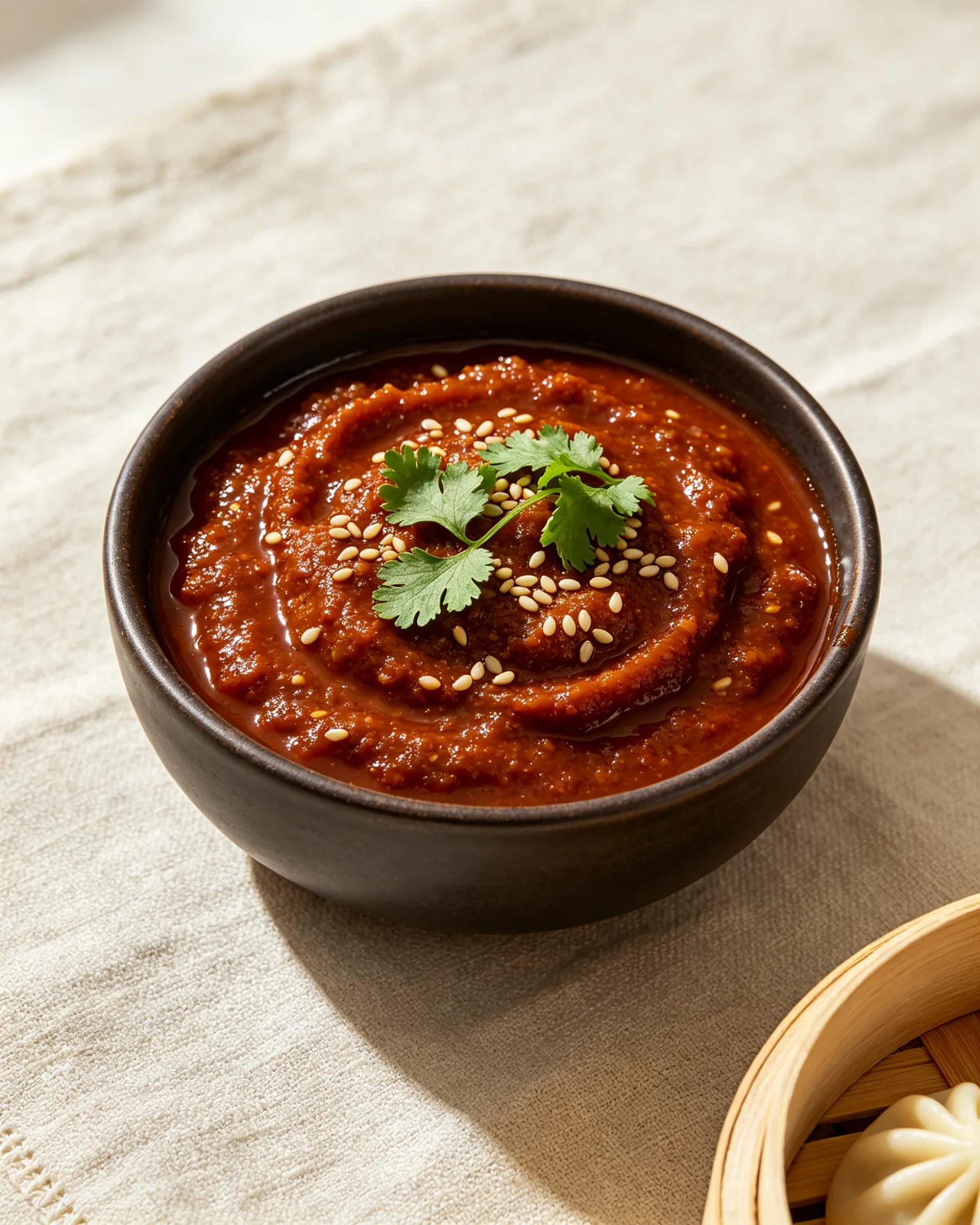
Momo Achar Recipe (Nepali Dipping Sauce)

Japanese Katsu Bowl with Tonkatsu Sauce

Chinese Egg Stir Fry Noodles Recipe with Savory Garlic Sauce

Chinese Beef Stir Fry Recipe (Oyster Sauce)
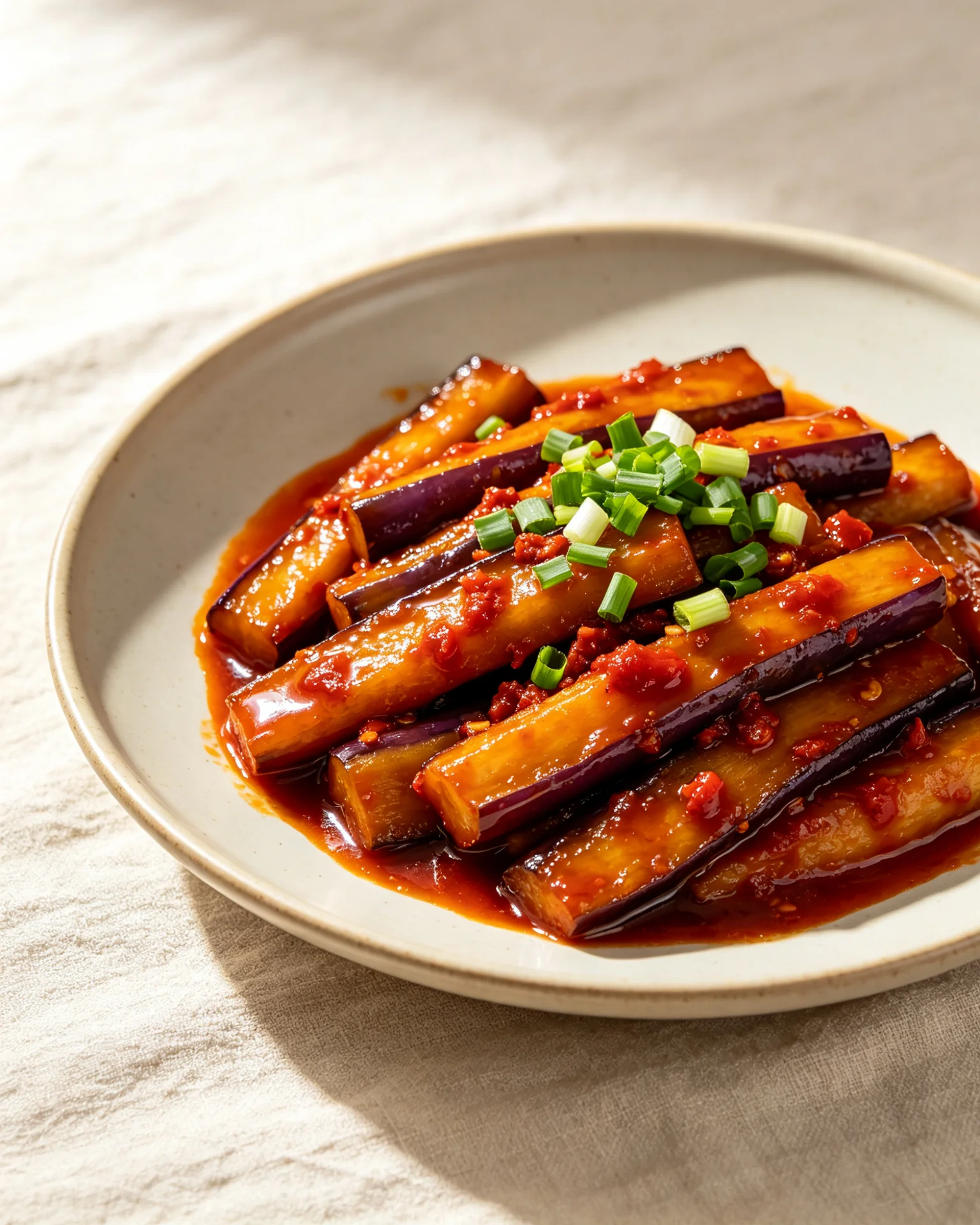
Chinese Eggplant with Garlic Sauce (鱼香茄子)

Classic Cantonese Shrimp and Bell Pepper Stir Fry in Wok Sauce

Spicy Miso Chicken Thighs
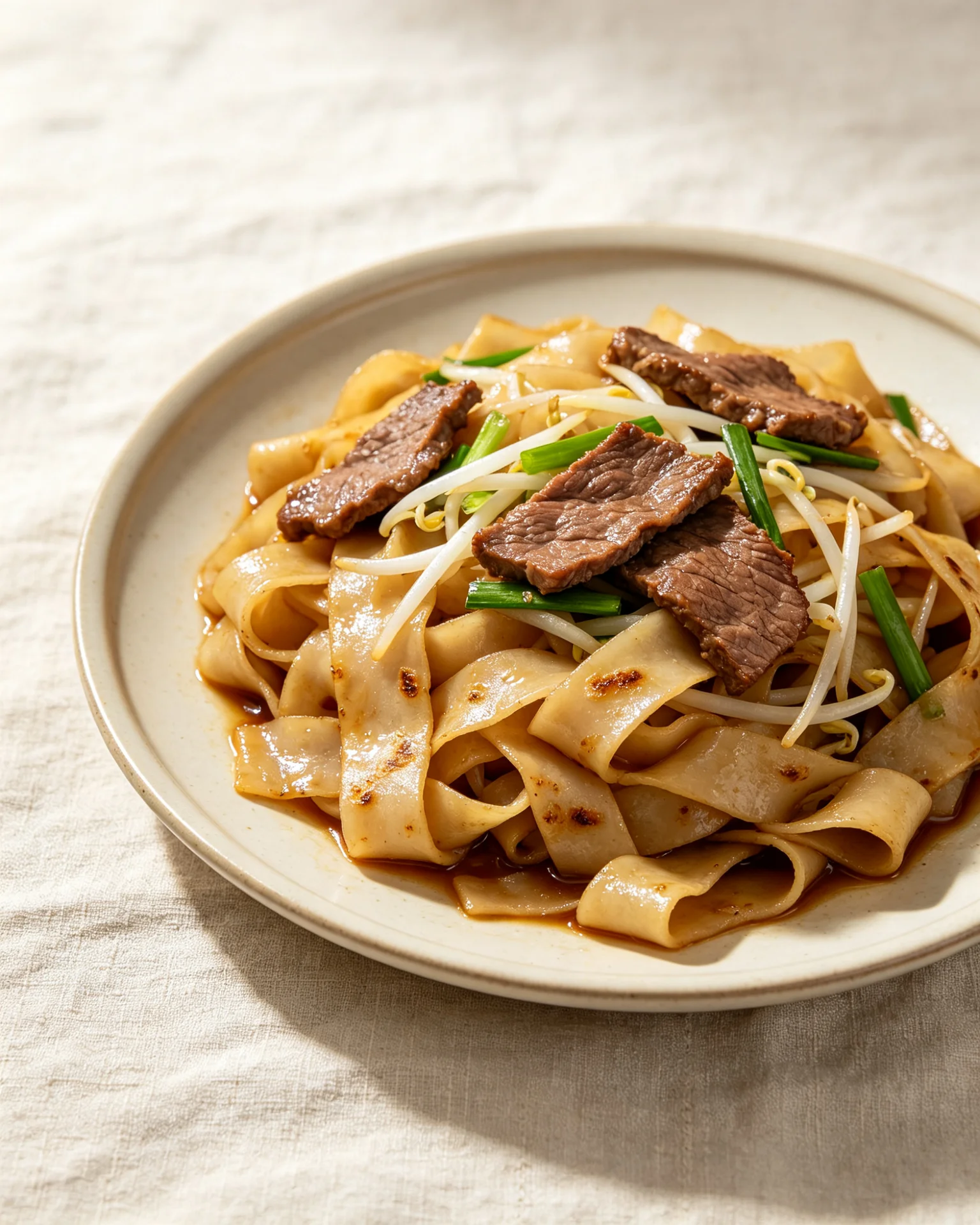
Beef Chow Fun Recipe (干炒牛河)
Beef Chow Fun Recipe (Gan Chao Niu He)

How to Make Restaurant-Style Tandoori Roti

Japanese Carrot Ginger Dressing (Restaurant-Style)

Loading comments...