10 Must-Try Asian Street Foods

Asian street food is a diverse culinary landscape defined by bold flavors, affordable prices, and deep cultural heritage. The top 10 must-try dishes include Pad Thai (Thailand), known for its sweet-sour balance; Banh Mi (Vietnam), a fusion of French and Vietnamese ingredients; Satay (Indonesia), featuring marinated grilled meats; Takoyaki (Japan), savory octopus balls; Xiao Long Bao (China), soup-filled dumplings; Pho (Vietnam), a aromatic noodle soup; Pani Puri (India), a crispy, spice-filled snack; Tteokbokki (Korea), spicy rice cakes; Laksa (Malaysia/Singapore), a rich coconut curry noodle soup; and Jianbing (China), a savory breakfast crepe. These dishes highlight the region’s mastery of texture, fermentation, and spice.
10 Must-Try Asian Street Foods
Asian street food is more than just a quick meal; it is a vibrant tapestry of culture, history, and community. From the bustling night markets of Taipei to the aromatic roadside stalls of Hanoi, the continent offers an unparalleled gastronomic adventure. For travelers and foodies alike, navigating this landscape can be overwhelming. This guide explores the 10 must-try Asian street foods, optimized for the culinary explorer looking to understand the history, ingredients, and cultural significance behind each dish.
The Cultural Significance of Asian Street Food
Before diving into specific dishes, it is essential to understand the context. In many Asian countries, street food is the heartbeat of daily life. It serves as a social hub where economic barriers dissolve, and people from all walks of life gather over shared plates. According to CNN Travel, the street food culture in cities like Bangkok and Osaka is not just about sustenance but about preserving centuries-old culinary traditions passed down through generations.
1. Pad Thai (Thailand)

The Icon of Thai Cuisine
Pad Thai is perhaps the most recognizable Thai dish globally, but its street-side iteration offers a flavor profile that restaurants often struggle to replicate.
- Key Ingredients: Rice noodles, tamarind paste, fish sauce, dried shrimp, tofu, egg, bean sprouts, and crushed peanuts.
- The Flavor Profile: A perfect equilibrium of sweet (palm sugar), sour (tamarind), and salty (fish sauce). The dish is often finished with a squeeze of lime and chili flakes.
- Cultural Context: Interestingly, Pad Thai was popularized in the late 1930s and 1940s by the Thai government as a means of building national identity and reducing rice consumption.
2. Banh Mi (Vietnam)

The Ultimate Fusion Sandwich
A legacy of French colonialism, the Banh Mi demonstrates Vietnam’s ability to take foreign influences and elevate them into something entirely unique.
- Key Ingredients: A light, airy baguette (often made with rice flour for crispiness), pâté, mayonnaise, pickled daikon and carrots, cilantro, cucumber, and a choice of protein (commonly grilled pork, chicken, or tofu).
- The Flavor Profile: Crispy on the outside, soft on the inside, with a harmonious mix of savory, tangy, and fresh herbal notes.
- Semantic Entity: Vietnamese Cuisine, French Colonial History.
3. Satay (Indonesia/Malaysia)

Grilled Perfection on a Stick
Satay consists of seasoned, skewered, and grilled meat served with a distinctive sauce. While popular across Southeast Asia, Indonesian Satay (specifically Satay Madura) is widely considered the gold standard.
- Key Ingredients: Skewered chicken, beef, or lamb marinated in turmeric and spices, grilled over charcoal. Served with a rich peanut sauce, rice cakes (lontong), and cucumber.
- The Flavor Profile: Smoky, caramelized meat paired with the creamy, nutty sweetness of the sauce. The turmeric provides an earthy undertone and a vibrant yellow hue.
4. Takoyaki (Japan)

Osaka’s Favorite Snack
Originating from the street food capital of Japan, Osaka, Takoyaki are golden balls of dough filled with diced octopus.
- Key Ingredients: Wheat flour-based batter, diced octopus (tako), pickled ginger, and green onion. They are cooked in a special molded pan.
- The Flavor Profile: Crispy exterior with a gooey, molten interior. Topped with takoyaki sauce, mayonnaise, dried bonito flakes (katsuobushi), and aonori (seaweed).
- The Experience: Watching the vendors deftly flip the spheres with metal picks is as much a part of the appeal as the taste.
5. Xiao Long Bao (China/Taiwan)

The Art of the Soup Dumpling
While technically requiring a kitchen setup, these are staples in street-level food stalls across Shanghai and Taipei.
- Key Ingredients: A thin wheat flour wrapper encasing seasoned pork and a pocket of solidified aspic (meat broth) that melts into soup when steamed.
- The Flavor Profile: Rich, savory broth and tender meat encased in a delicate skin.
- How to Eat: Nibble a small hole in the top, sip the soup carefully (it will be hot!), then eat the dumpling with a dip of black vinegar and ginger.
6. Pho (Vietnam)

Breakfast of Champions
While Pho is a staple in restaurants worldwide, in Vietnam, it is quintessential street food, often eaten for breakfast.
- Key Ingredients: Flat rice noodles in a clear beef or chicken broth, flavored with charred ginger, star anise, cinnamon, and fish sauce. Served with fresh herbs, bean sprouts, and lime.
- The Flavor Profile: Aromatic, clean, and deeply restorative. The fresh herbs cut through the richness of the bone broth.
- Semantic Entity: Hanoi, Ho Chi Minh City, Bone Broth.
7. Pani Puri (India)
The Burst of Flavor
Known by various names across India (Golgappa, Puchka), Pani Puri is the ultimate chaotic, interactive street food experience.
- Key Ingredients: Hollow, crispy fried dough balls (puri) filled with spiced mashed potato, chickpeas, and tangy tamarind water (pani).
- The Flavor Profile: An explosion of textures and tastes—crispy, spicy, tangy, and cooling—often eaten in one single bite.
- Hygiene Tip: Look for vendors preparing the puri fresh or using purified water, a common concern addressed in modern street food guides.
8. Tteokbokki (Korea)

Korean Comfort Food
A staple of Korean Pojangmacha (street tents), Tteokbokki is the definition of comfort food for students and workers alike.
- Key Ingredients: Cylindrical rice cakes (tteok), fish cakes (eomuk), scallions, and a sauce made from gochujang (fermented chili paste).
- The Flavor Profile: Chewy, spicy, and slightly sweet. The heat is often lingering, making it a warming dish for cold nights.
- Variations: Modern variations include cheese toppings or a cream sauce base (Rosé Tteokbokki).
9. Laksa (Malaysia/Singapore)

The Spice Route in a Bowl
Laksa represents the marriage of Chinese and Malay culinary traditions (Peranakan culture).
- Key Ingredients: There are two main types: Curry Laksa (coconut milk-based) and Asam Laksa (tamarind-based, sour fish soup). Both feature rice noodles.
- The Flavor Profile: Curry Laksa is creamy, rich, and spicy, often topped with cockles, prawns, and tofu puffs. Asam Laksa offers a sour, fish-heavy intensity with a distinct pineapple note.
10. Jianbing (China)

The Savory Breakfast Crepe
Jianbing is a ubiquitous breakfast street food in Northern China, specifically Beijing.
- Key Ingredients: A batter of wheat and mung bean flour spread thin on a circular grill, topped with egg, scallions, cilantro, hoisin sauce, chili paste, and a crispy fried cracker (baocui).
- The Flavor Profile: A textural masterpiece. The crepe is soft, the cracker adds crunch, and the sauce provides a savory, umami kick.
Understanding the Flavor Profiles
To truly appreciate Asian street food, one must understand the flavor pillars that support these cuisines:
- Umami: The “fifth taste” is paramount. From the fish sauce in Thai food to the fermented bean pastes in Chinese and Korean cuisines, savory depth is key.
- Texture Contrast: Asians love texture. Whether it’s the crunch of a Banh Mi, the chew of Tteokbokki, or the slime of okra in Indian curries, textural variety is celebrated.
- Balance of Yin and Yang: Many dishes aim to balance hot, cold, sour, and sweet elements to aid digestion and satisfy the palate.
Practical Tips for Eating Street Food in Asia
- Follow the Queue: The best indicator of quality and safety is a long line of locals.
- Watch the Preparation: Look for stalls where food is cooked fresh in front of you, ensuring high heat kills bacteria.
- Cash is King: While urban centers are modernizing, most street vendors operate on a cash-only basis.
- The “Safe Water” Rule: In many developing nations, avoid ice or unpeeled raw vegetables if you have a sensitive stomach, though reputable vendors often use filtered water.
Frequently Asked Questions (FAQs)
Is street food in Asia safe to eat?
Generally, yes. Asian street vendors rely on local reputation; high turnover means food is fresh. Look for busy stalls where food is cooked thoroughly and served piping hot.
What is the most popular street food in Asia?
While difficult to quantify, Pad Thai and Satay are arguably the most globally recognized, though locally, items like Pani Puri in India or Jianbing in China may have higher daily consumption rates.
Which country has the best street food culture?
Thailand (specifically Bangkok) and Taiwan are frequently cited as having the best street food scenes due to hygiene standards, variety, and taste. In 2024, CNN Travel named Bangkok the “Street Food Capital of the World.”
Is Asian street food vegetarian-friendly?
Yes, but with caveats. India is a paradise for vegetarians. In Southeast Asia, many dishes use fish sauce or shrimp paste, so it is essential to ask for “no fish sauce” (e.g., “Mai Ao Nam Pla” in Thai).
Summary
Exploring the 10 must-try Asian street foods is a journey through history and culture. From the fusion of Banh Mi to the spicy comfort of Tteokbokki, these dishes offer an authentic taste of their respective homelands. By understanding the ingredients and cultural context, travelers can elevate their eating experience from a simple meal to a lasting memory. Whether you are navigating the night markets of Bangkok or the stalls of Mumbai, these culinary delights are the gateway to the heart of Asia.
About Asha
Half Asian, half African cook raised between two food-obsessed cultures. I've spent 10 years learning Asian cooking traditions through family, friends, and thousands of hours at the stove — testing every dish until it works in a standard home kitchen.
Read my full storyRecipes to Try

Easy 30-Minute Asian Chicken Meatballs

Japanese Yakisoba Stir Fry Noodles Recipe | Asian Foods Daily

Asian-Style Chicken Rice Bowls

Delicious Asian Style Chicken Wings

How to Make Authentic Asian Beef Stew

Best Asian Glazed Salmon

Easy Asian Pasta Salad Recipe

Easy Corn Chaat Recipe: Quick & Spicy Indian Street Food Snack

Indonesian Nasi Goreng (Street-Style Fried Rice)

Chicken and Broccoli (Chinese Takeout Style)
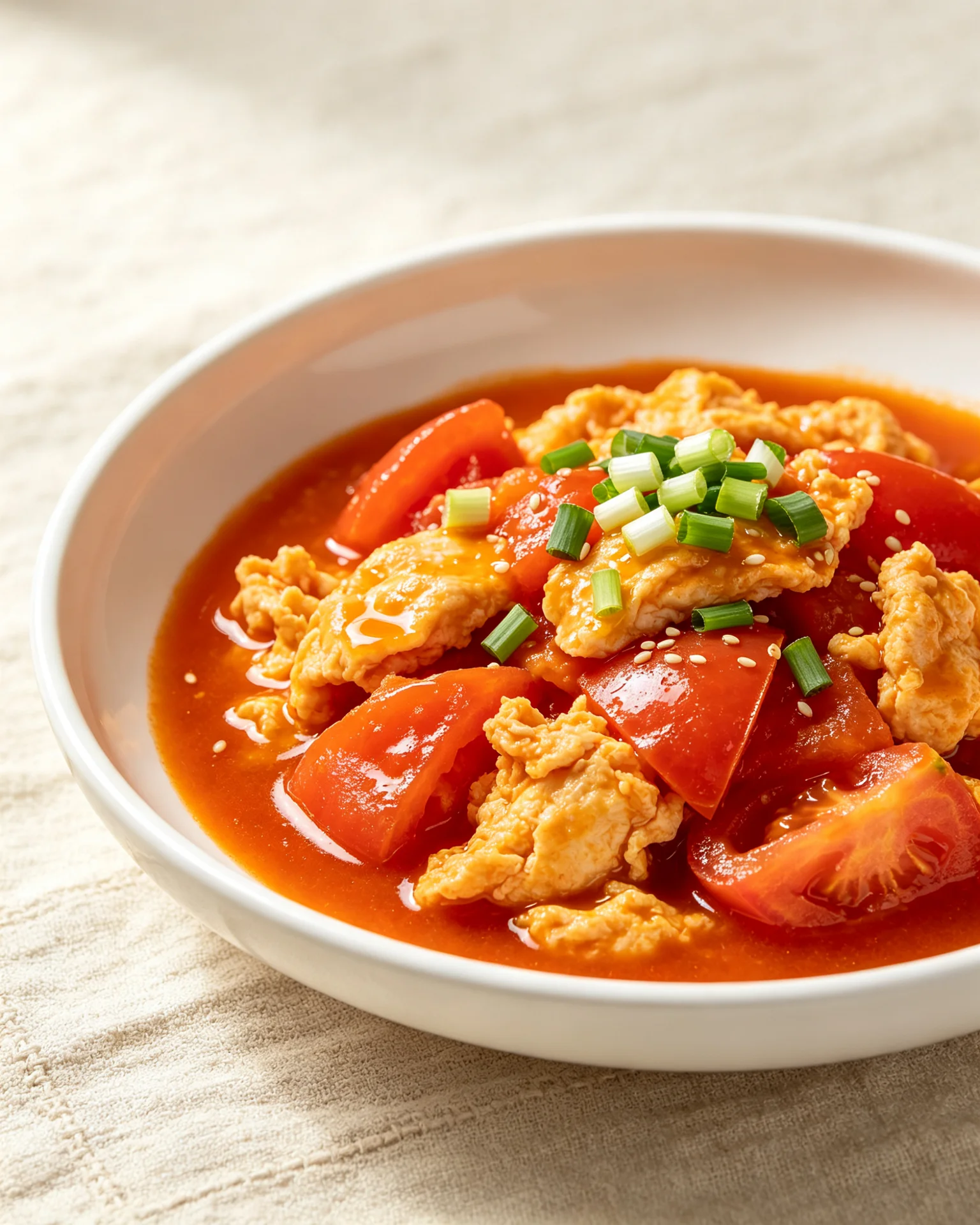
Chinese Tomato Egg Stir Fry Recipe (番茄炒蛋)
Loading comments...