What Shaoxing Wine Is and How to Substitute It
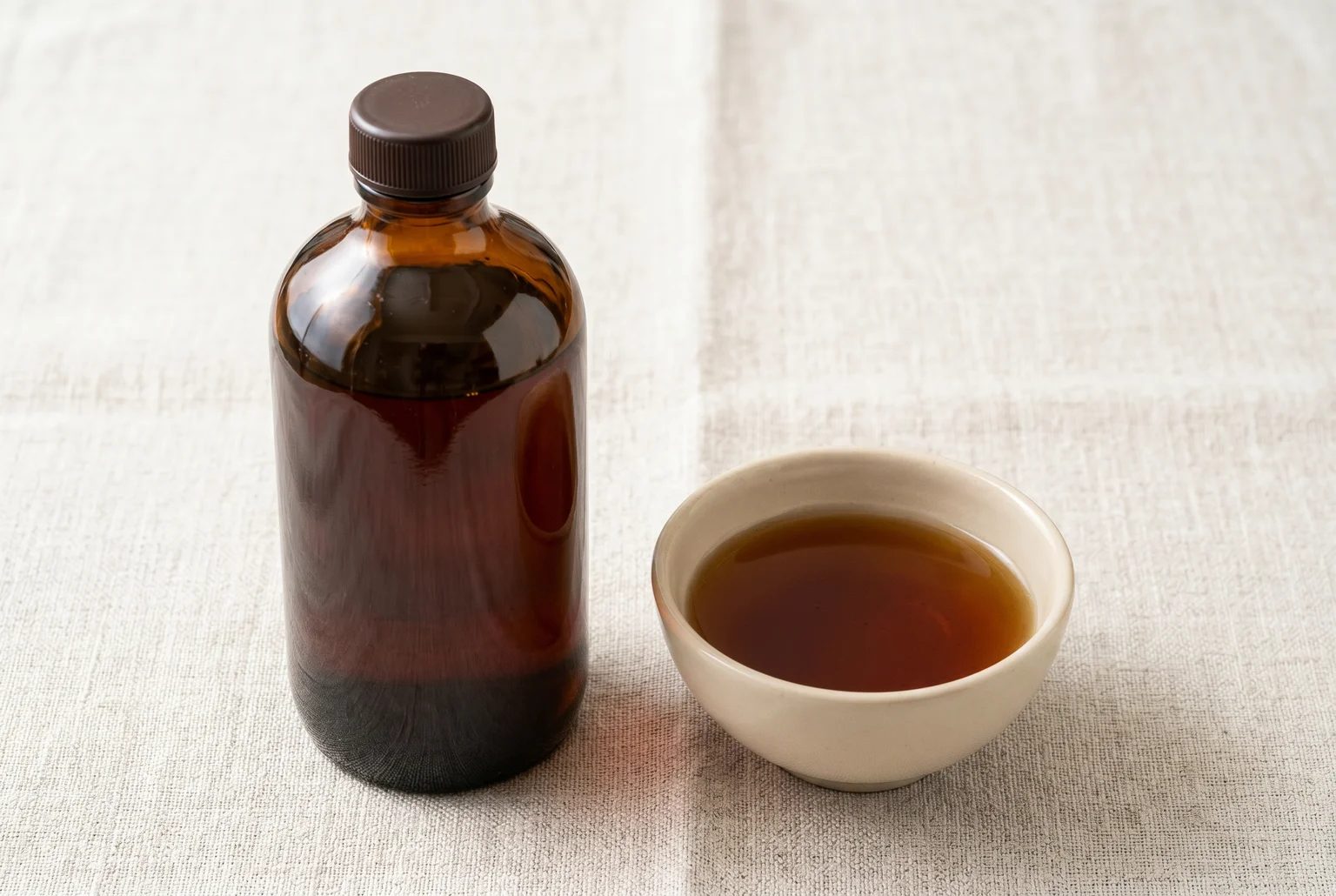
Shaoxing wine, written 绍兴酒 and pronounced roughly shao shing, shows up in more Chinese recipes than any other liquid ingredient except soy sauce. Marinades. Braises. Stir fry sauces. Steamed dishes. The bottle is everywhere.
I put off buying one for years. Dry sherry seemed close enough, and I assumed any rice wine would cover the job. The first time I cooked red braised pork belly with real Shaoxing wine, that assumption died in about one bite. The braise carried a depth my sherry versions never reached. Slight nuttiness. Fermented roundness. A caramel quality that sherry gets near and never lands on. I have cooked that same hong shao rou side by side with sherry and with the real wine more than once since, partly for science and partly because the excuse let me eat it twice. The wine version wins every single time.
This is not an optional luxury bottle. It is the foundational liquid of Chinese cooking the way sake is in Japanese cooking, and if you are stocking a Chinese pantry for the first time my ++Chinese cooking guide++ starts with this bottle.
Shaoxing Wine Brewing Relies on Glutinous Rice and Wheat Qu
Shaoxing wine is brewed from glutinous rice, clean water, wheat, and a specialized wheat fermentation starter called qu. The name is a protected geographic origin rather than a brand, because authentic yellow wine can only come from Shaoxing, a historic city in Zhejiang province. The wine ages in earthen jars for a minimum of 3 years, and traditional aged versions run 10 years or more. The color is deep amber. The alcohol sits around 14 to 17 percent, which puts it in full wine territory rather than light rice vinegar territory, and the flavor profile lands closer to a dry sherry than to sake or mirin.
The wheat in the fermentation starter matters more than most home cooks realize. Sake is brewed from polished white rice and koji mold alone, which yields a clean, delicate profile. The roasted wheat in Shaoxing starters introduces rich proteins and amino acids that give Shaoxing wine a layered savory complexity that Japanese sake never develops.
The tradition behind the bottle runs deep. ++Research archived at Auckland University of Technology++ traces the grain brewing behind yellow wine to the Xia dynasty around 2070 BCE, and the Tang dynasty records name Shaoxing the true birthplace of huangjiu. Brewers in that one city have held the standard for Chinese yellow wine ever since.
Alcohol Volatilization Unlocks Aromatics Inside the Finished Dish
Poured straight from the bottle at room temperature, Shaoxing wine tastes dry, sharp, slightly astringent, and faintly medicinal. Nobody drinks cooking grade Shaoxing wine by the glass for pleasure.
Its culinary magic happens exclusively under heat. In a marinade or a screaming hot wok, the alcohol acts as a volatile organic solvent. ++Biochemical volatile research on PubMed++ shows that grain alcohol binds to sulfurous compounds and fishy trimethylamines in raw meat, carrying them into the steam as the liquid evaporates.
At the exact same time, natural organic acids, esters, and phenolic compounds released from the aged wheat remain in the wok. They blend with soy sauce and rendered animal fat, caramelizing into a savory backbone that makes a stir fry sauce taste rounded and complete rather than flat and salty.
Three Culinary Applications Anchor Authentic Chinese Kitchens
Chinese cooking puts this amber bottle to work across three distinct phases of kitchen preparation.
Marinades represent the first essential job. A single tablespoon tossed with sliced beef or pork strips strips the raw metallic edge off proteins, softens exterior muscle fibers, and helps cornstarch velvet coatings adhere smoothly. My classic wok recipes for ++Cantonese beef chow fun++ and ++spicy kung pao chicken++ rely entirely on this marinating step to tenderize protein before it hits the flame.
Wok rim deglazing serves as the second technique. When cooking high heat stir fries, chefs splash a tablespoon of Shaoxing wine in a circle around the scorching upper perimeter of the carbon steel wok. The wine flashes into steam within two seconds, releasing fragrant aerosolized droplets that perfume the tumbling ingredients with instant wok hei.
Master braises represent the grand third application. In slow cooked braises like Shanghai hong shao rou, Shaoxing wine is not used by the spoonful. It is poured by the cup as the primary braising liquid alongside dark soy sauce and rock sugar. Over two hours of slow simmering, the harsh alcohol cooks away completely, leaving behind sweet fermented richness celebrated across our ++Chinese culinary collection++.
Kitchen Substitution Hierarchy Ranks Reliable Pantry Swaps
When the bottle runs dry in the middle of dinner prep, reaching for the right substitute preserves the integrity of your sauce. I learned the cream sherry lesson the hard way once, when a braise came back tasting like sugary dessert and the whole family abandoned dinner.
Dry pale sherry serves as the single best measure for measure substitute. Traditional Spanish styles like fino and amontillado closely match the nutty, aged, and slightly oxidized flavor of real Shaoxing wine. Always avoid sweet cream sherry, which turns savory dinner into dessert syrup.
Japanese cooking sake works as the second most effective measure for measure alternative. Sake lacks the deep roasted wheat nuttiness of Shaoxing wine, but its natural grain alcohol successfully handles meat deodorizing in marinades and provides clean savory lift in stir fries.
Salted supermarket cooking wine should always be skipped entirely. Commercial brands label cheap salted grain wine as Shaoxing cooking wine to bypass liquor licensing laws and supermarket alcohol regulations. These bottles contain up to 1.5 percent added salt, which makes dishes aggressively salty and prevents cooks from controlling sodium levels.
Buy the real unsalted wine at local Asian supermarkets or licensed international grocers, where it is sold alongside cooking spirits. Pagoda brand is the gold standard bottle recognized by home cooks worldwide. If you are outfitting your kitchen shelves from scratch, my ++Chinese cooking guide++ breaks down every essential bottle you need.
Cupboard Storage Keeps Opened Bottles Fresh for Six Months
An opened bottle of real Shaoxing wine maintains its flavor profile for six months in a cool, dark kitchen cupboard.
Store the bottle away from direct sunlight and stovetop heat. Heat and light accelerate unwanted oxidation, turning the delicate esters sour. I keep my opened bottle on the bottom shelf of the dark pantry next to the soy sauce, and it stays fragrant for months.
Refrigeration is completely optional. If you only cook Chinese recipes once or twice a month, storing the bottle in the refrigerator extends its shelf life to twelve full months without loss of aromatic complexity.
Love Chinese food?
Check out my complete guide to Chinese home cooking, pantry essentials, and techniques.
Frequently Asked Questions
Q: What is Shaoxing wine used for in Chinese cooking?
A: It deodorizes meat and fish in marinades, adds depth to stir fry sauces, and acts as the primary braising liquid in dishes like red braised pork belly. Only soy sauce shows up in more Chinese recipes.
Q: Can I substitute dry sherry for Shaoxing wine?
A: Yes, measure for measure. Pale dry styles like fino and amontillado approximate the nutty, dry character best. Cream sherry is too sweet. Sake works as a second choice.
Q: Is Shaoxing wine alcoholic?
A: Yes. It carries roughly 14 to 17 percent alcohol, similar to a strong table wine. The alcohol cooks off during the process. Skip the salted cooking wine versions, because their salt content ruins standard recipe quantities.
Q: How long does Shaoxing wine last after opening?
A: Up to 6 months at room temperature, stored away from sunlight. Refrigeration is optional and extends the life to about 12 months.
About Asha
Half Asian, half African cook raised between two food-obsessed cultures. I've spent 10 years learning Asian cooking traditions through family, friends, and thousands of hours at the stove — testing every dish until it works in a standard home kitchen.
Read my full storyRecipes to Try

How to Make Traditional Kimchi (Foolproof Seven Day Plan)

Ampalaya Con Carne Recipe
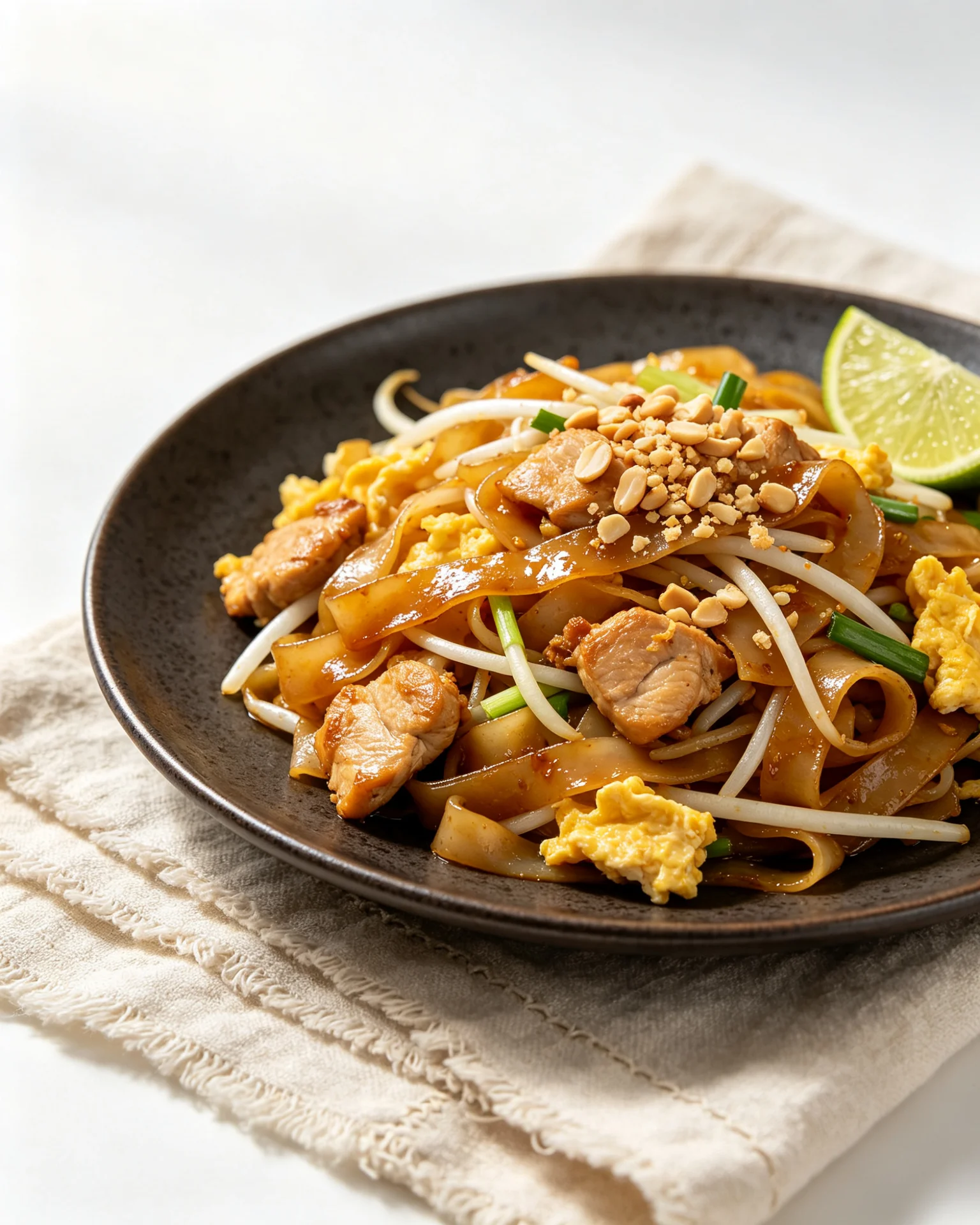
Traditional Thai Chicken Pad Thai Recipe with Tamarind Glaze
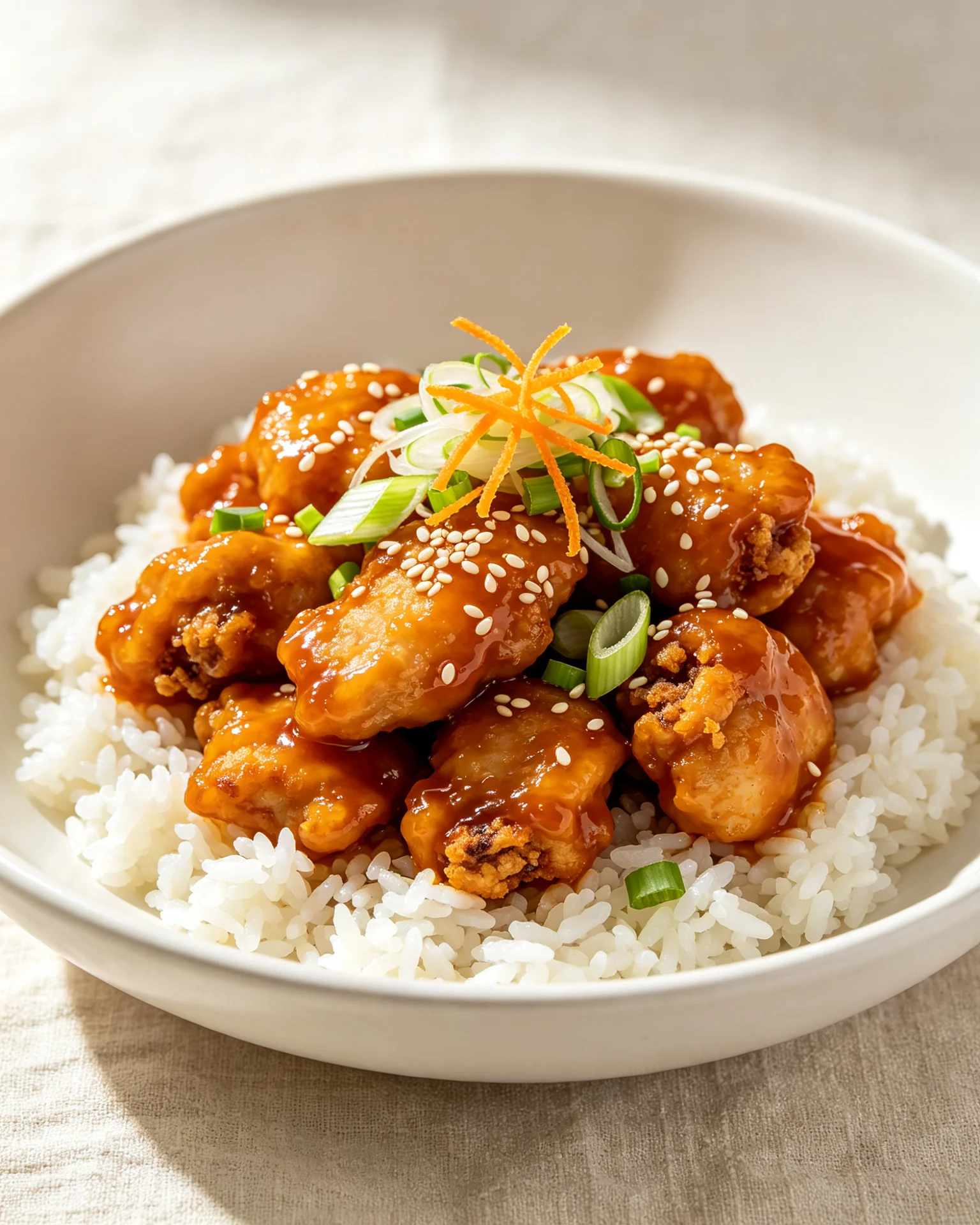
Orange Chicken Recipe
-768.webp)
How to Make Thai Fried Rice Khao Pad
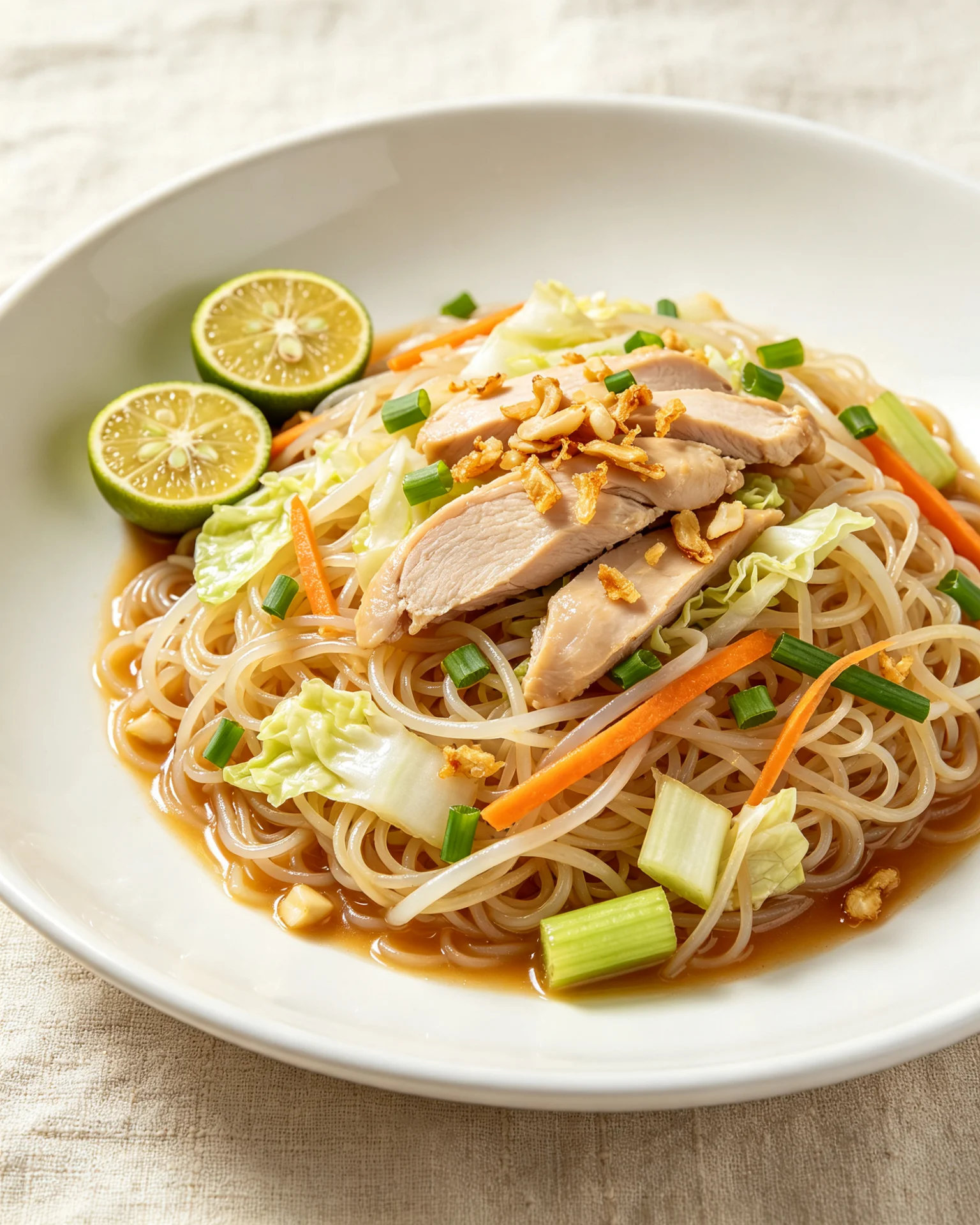
Pancit Bihon Recipe (Filipino Noodles)
Filipino Macaroni Salad Recipe

Chinese Beef Stir Fry Recipe (Oyster Sauce)

Asian-Style Chicken Rice Bowls

Egg Noodle Soup with Shrimp Wontons

Easy Ma La Xiang Guo At Home

Loading comments...