Indian Butter Chicken Recipe – Authentic Murgh Makhani

Jump to Section
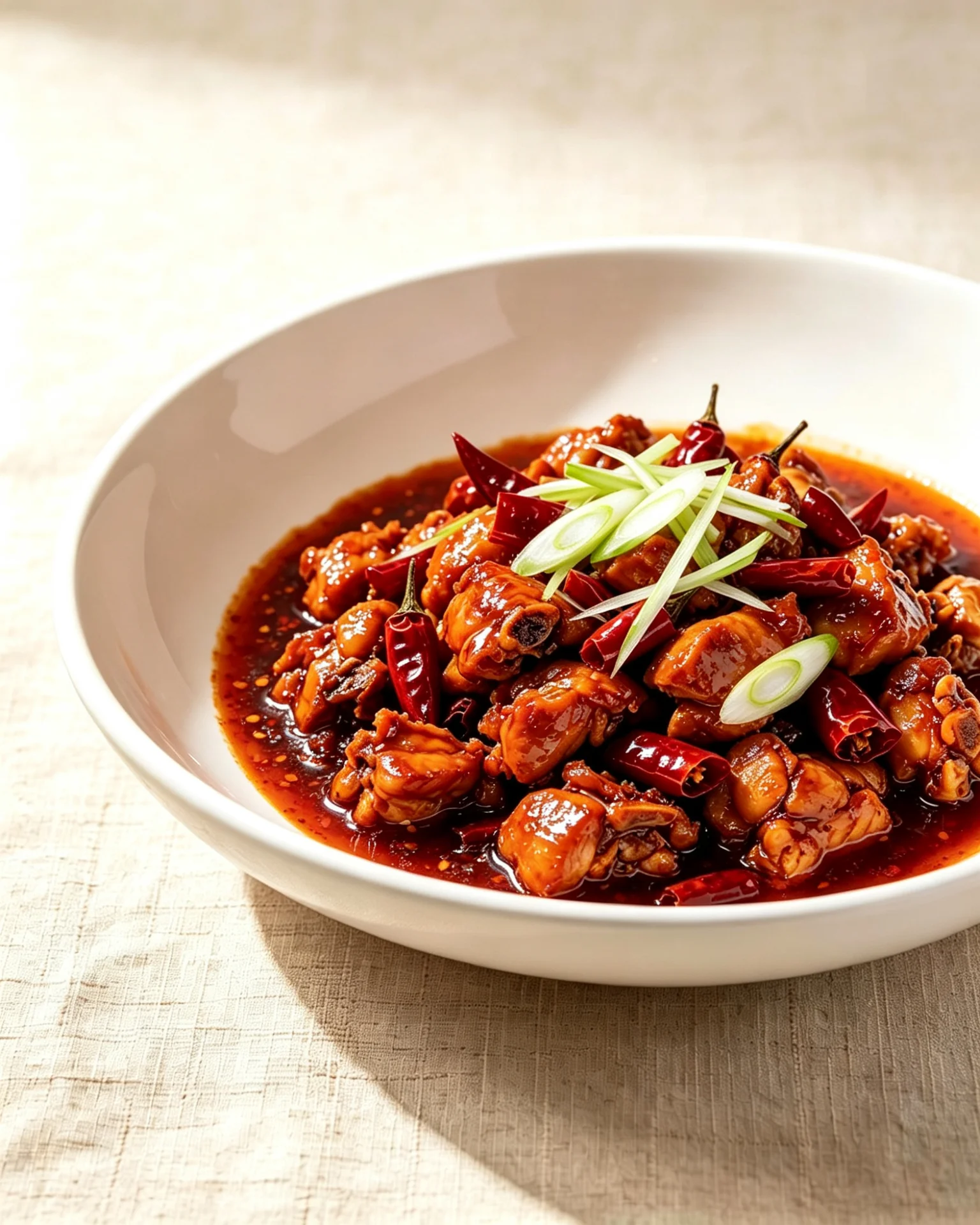
Indian Butter Chicken (Murgh Makhani) is a mildly spiced, creamy tomato-based curry made with marinated chicken simmered in a buttery, aromatic sauce. It originates from Delhi, India, and is one of the most popular Indian dishes globally. Ready in under 1 hour, it is made with pantry-friendly spices, heavy cream, and boneless chicken thighs. Serve it with basmati rice or naan for a complete restaurant-quality meal at home.
What Is Indian Butter Chicken?
Butter chicken, known in Hindi as Murgh Makhani (मुर्ग मखनी), is a North Indian curry that originated at the Moti Mahal restaurant in Delhi in the 1950s. Chef Kundan Lal Gujral and restaurateur Kundan Lal Jaggi are credited with its creation — leftover tandoori chicken was simmered in a tomato-butter gravy, and an icon of Indian cuisine was born.
Unlike many Indian curries, butter chicken stands out for its mild heat, velvety texture, and slightly sweet undertone from caramelised tomatoes and cream. The sauce is built on ginger, garlic, and tomatoes balanced with a precise spice blend — dried fenugreek leaves (kasuri methi) being the non-negotiable finishing touch.
Purist Note: The original Moti Mahal-style makhani omits onions entirely, keeping the tomato flavour sharp and direct. This recipe includes them for the body and gentle sweetness most home cooks expect. For the purist version, simply omit the onion and shorten the reduction time in Step 4 by 3–4 minutes.
Why This Recipe Works
Most homemade butter chicken fails for three reasons: a watery sauce, missing smoky depth, and skipping the kasuri methi. This recipe solves all three.
Recipe Testing Notes:
- Batch 1 — Baseline test: Canned tomatoes, no marinade, no char. Result: thin sauce, flat flavour. Failed.
- Batch 2 — Yoghurt marinade added: 2-hour marinade in yoghurt, lemon, and spices. Chicken improved noticeably; sauce still lacked body. Partial success.
- Batch 3 — Blended and sieved sauce: Blended the cooked tomato base and pushed it through a fine mesh sieve. Result: silky, restaurant-style texture. Major breakthrough.
- Batch 4 — Kasuri methi test: Side-by-side comparison. Without it: generic. With it: smoky, aromatic, unmistakably butter chicken. Non-negotiable confirmed.
- Batch 5 — Optimal result: 4-hour marinade + cast iron char + sieved sauce + honey instead of sugar + kasuri methi off the heat + Dhungar smoke finish. This is the recipe below.
Indian Butter Chicken Ingredients
For the marinade:
- 700 g (1.5 lb) boneless chicken thighs, cut into large chunks
- 150 g (½ cup) full-fat plain yoghurt
- 1½ tsp garam masala
- 1 tsp ground cumin
- 1 tsp Kashmiri chilli powder (see alert below)
- 1 tsp ground coriander
- ½ tsp turmeric
- 1 tsp salt
- 1 tbsp lemon juice
- 2 tsp ginger-garlic paste
For the sauce:
- 3 tbsp unsalted butter
- 1 tbsp neutral oil
- 1 large onion, roughly chopped
- 6 garlic cloves, roughly chopped
- 1-inch piece fresh ginger, roughly chopped
- 400 g (14 oz) canned whole tomatoes
- 1 tsp Kashmiri chilli powder
- 1 tsp ground coriander
- ½ tsp garam masala
- 1 tsp honey (preferred over white sugar — see Pro Tips)
- 100 ml (⅓ cup) heavy cream
- 1 tbsp kasuri methi (dried fenugreek leaves), crushed between palms
- Salt to taste
⚠️ Kashmiri Chilli Powder Alert: Do not substitute standard “chili powder” (a spice blend containing cumin, garlic, and oregano) or cayenne at a 1:1 ratio. Kashmiri chilli powder is very mild — its primary role is producing a deep brick-red colour. A 1:1 cayenne swap will make the dish painfully hot rather than mildly spiced. If unavailable, use 3 parts mild paprika to 1 part cayenne to replicate the colour and gentle warmth.
Equipment
Testing across 5 batches confirmed that equipment choices directly affect results.
- Cast iron skillet or heavy-based pan — Essential for charring the chicken. A non-stick pan steams the pieces, producing pale, flavourless results with no Maillard crust.
- Blender (immersion or countertop) — A countertop blender produces a finer, more consistent sauce. Tested both.
- Fine mesh sieve — Removes tomato skin and seeds for the signature silky makhani texture. This single step separates home results from restaurant-quality ones.
- Heavy-bottomed saucepan or Dutch oven — Prevents the tomato-cream base from scorching during reduction. Enamelled cast iron is ideal.
- Small metal bowl or foil cup + natural lump charcoal — For the Dhungar smoke finish (see Pro Tips).
How to MakeIndian Butter Chicken (Step-by-Step)
Step 1: Marinate the chicken Combine all marinade ingredients and coat the chicken thoroughly. Refrigerate for a minimum of 2 hours — 4 hours delivers significantly better results.
Step 2: Char the chicken Heat a cast iron skillet over high heat until smoking. Add a thin film of oil and cook the chicken in a single layer, 3–4 minutes per side, until charred in spots. Do not crowd the pan. Set aside — it will finish cooking in the sauce.
Step 3: Build the sauce base Melt 2 tbsp butter with the oil over medium heat. Add the onion and cook for 8–10 minutes until deep golden. Add garlic and ginger, cook 2 minutes. Add Kashmiri chilli powder and coriander, stir 30 seconds.
Step 4: Bhuna the tomatoes Add canned tomatoes, honey, and ½ tsp salt. Simmer uncovered for 15 minutes. You are cooking to the bhuna stage — the Indian culinary term for a fully cooked-down base. The visual cue: tiny beads of orange oil appearing at the edges of the pan. This confirms the raw tomato flavour is gone and the sauce is ready to blend.
Step 5: Blend and sieve Cool the sauce for 5 minutes. Blend until completely smooth, then pass through a fine mesh sieve back into the pan, pressing the solids firmly.
Step 6: Finish the sauce Return to medium-low heat. Stir in the remaining 1 tbsp butter and the cream. Add the charred chicken and simmer gently for 10–12 minutes until cooked through. Taste and adjust salt.
Step 7: Kasuri methi — off the heat Remove from heat. Crush the kasuri methi between your palms and stir it in. Cover and rest for 2 minutes before serving.
Creaminess Comparison
Decide how rich you want to go before you start:
| Style | Fat Source | Result |
|---|---|---|
| Purist | Extra butter + sieve only | Sharp, bright, intense tomato |
| Restaurant | Heavy cream + cashew paste | Thick, pale orange, very mild |
| Lighter | Full-fat Greek yoghurt | Tangy, lighter — stir in off heat to prevent splitting |
| Dairy-Free | Coconut cream | Very silky, slight tropical note |
Common Substitutions
- No yoghurt? Full-fat sour cream or coconut yoghurt both work.
- No Kashmiri chilli powder? 3 parts mild paprika to 1 part cayenne. Do not use standard blended chili powder (see alert above).
- No heavy cream? Coconut cream or cashew cream are tested alternatives.
- Chicken thighs vs. breast: Thighs are more forgiving. If using breast, reduce simmer time in Step 6 to 6–8 minutes.
- No kasuri methi? Fresh fenugreek leaves approximate it, but the dried version’s smokiness is genuinely difficult to replicate.
Pro Tips
Step 8: Yoghurt acids tenderise the
Marinate for 4 hours minimum — overnight is better. Yoghurt acids tenderise the meat and spices penetrate significantly deeper with extended time.
Step 9: Dark spots on the
Char is not burning. Dark spots on the chicken are the goal. The Maillard reaction creates flavour compounds that carry directly into the sauce.
Step 10: In Step 4, those
Watch for the bhuna cue. In Step 4, those tiny orange oil beads at the pan’s edges are the signal — not the clock. That is when the sauce is ready to blend.
Step 11: High-end Indian restaurant kitchens
Honey over sugar. High-end Indian restaurant kitchens frequently use honey rather than white sugar in makhani sauce. It provides a more viscous sweetness and produces a subtle, glossy “glaze” quality in the finished sauce that white sugar simply cannot match.
Step 12: Boiling it destroys the
Kasuri methi off the heat. Boiling it destroys the volatile aromatic compounds responsible for its floral, smoky character — and can introduce a slight bitterness.
Step 13: To genuinely replicate tandoor-kitchen
The Dhungar smoke method. To genuinely replicate tandoor-kitchen smokiness at home: once the curry is finished, place a small metal bowl (or a foil cup) in the centre of the pot. Heat a thumb-sized piece of natural lump charcoal on a gas flame until glowing red. Transfer it to the bowl, immediately pour 1 tsp of ghee over it, and cover the pot with a tight lid. Allow the trapped smoke to infuse for 3–5 minutes. Remove the bowl before serving. This is how restaurant kitchens achieve that elusive clay-oven depth without a tandoor.
If you enjoy creamy tomato-based Indian dishes, our recipe for Kadai Paneer with Bell Peppers uses a similar spice base with a drier, more textured finish — excellent as a companion dish on the same table.
Common Mistakes to Avoid
- Skipping the marinade — Even 30 minutes improves the result; 4 hours transforms it.
- Using low-fat yoghurt — It splits at high heat and leaves visible white curds in the sauce.
- Blending hot liquid without cooling — Hot liquids expand in a blender. Always cool for 5 minutes and blend with the lid slightly vented.
- Adding cream at high heat — It splits. Always reduce to medium-low before adding cream.
- Wrong chilli powder — Standard blended chili powder or 1:1 cayenne substitution will produce a dish that is searingly hot, not mildly spiced.
- Forgetting kasuri methi — If your butter chicken doesn’t taste like a restaurant’s, this is the missing element almost every time.
Easy Variations
- Paneer Makhani: Replace chicken with 400 g pan-fried paneer. See how to make Perfect Paneer Makhani for detailed technique notes.
- Extra smoky: Apply the Dhungar method (Pro Tips) and grill the marinated chicken over charcoal before adding to the sauce.
- Extra heat: Double the Kashmiri chilli powder and add ¼ tsp cayenne. The heat remains warm rather than sharp.
- Vegan: Use chickpeas or roasted cauliflower, coconut yoghurt in the marinade, and coconut cream for the sauce.
- Slow cooker: Char the chicken first, combine with all sauce ingredients in the slow cooker, cook on LOW for 6 hours. Blend, sieve, stir in cream and kasuri methi before serving.
Serving Suggestions
Butter chicken pairs best with basmati rice, which absorbs the sauce without competing with its flavour. Naan or our restaurant-style Tandoori Roti — made entirely on a stovetop — are equally good for scooping. Jeera rice (basmati cooked with whole cumin and ghee), cucumber raita, and quick-pickled red onions complete a proper spread. For a starter that contrasts beautifully with the makhani richness, Chicken 65 — crispy, fiery, and ready in 45 minutes — is the natural pairing for a full Indian feast.
Storage and Reheating
- Refrigerator: Airtight container, up to 4 days. The sauce thickens overnight, which actually deepens the flavour.
- Freezer: Up to 3 months. Freeze without cream where possible; add fresh cream on reheating. Freeze flat in zip-lock bags to save space.
- Reheating: Gentle stovetop over low heat with a splash of water or stock. Microwave on 50% power in short bursts to avoid splitting the cream.
- Do not refreeze once thawed.
Nutrition Information
Per serving (4 servings, sauce with cream):
| Nutrient | Amount |
|---|---|
| Calories | ~520 kcal |
| Protein | 38 g |
| Fat | 32 g |
| Carbohydrates | 12 g |
| Fibre | 2 g |
| Sodium | ~680 mg |
Estimates only. Values vary by ingredient brand and portion size.
Love Indian food?
Check out my complete guide to Indian home cooking, pantry essentials, and techniques.
Frequently Asked Questions
1. What is the difference between butter chicken and chicken tikka masala? Butter chicken (Murgh Makhani) is a Delhi original — sweeter, creamier, and milder in spice. Chicken tikka masala is a British-Indian creation with a more complex, heavily spiced tomato base. Both rely on tomatoes and cream but differ substantially in sweetness and spice depth.
2. Can I make butter chicken without cream? Yes. Coconut cream is the most seamless substitute, maintaining the silky texture. Cashew cream (soaked cashews blended with water) is excellent for a dairy-free version. Avoid milk — it is too thin and will split in the sauce.
3. Why is my butter chicken sauce watery? Insufficient reduction of the tomato base. Simmer uncovered until you see the orange oil beads at the pan’s edges (the bhuna stage) before blending. Sieving after blending also concentrates and tightens the sauce considerably.
4. Is butter chicken the same as Murgh Makhani? Yes — identical dish, two names. Murgh means chicken and makhani means buttery in Hindi. “Butter chicken” is the name used on most Western restaurant menus.
5. Can I use chicken breast instead of thighs? Yes, but cut it into larger chunks and reduce the sauce simmer time to 6–8 minutes. Breast overcooks quickly and turns dry and chalky if left too long in the sauce.
Final Note
Butter chicken rewards patience at every stage: a proper marinade, a bhunaed tomato base, a sieved sauce, cream added gently, honey over sugar, and kasuri methi at the very end off the heat. Add the Dhungar smoke finish and you have a version that stands comfortably alongside the best restaurant bowls. Every shortcut tested across 5 batches cost noticeable flavour. Give it the time it asks for.
If this recipe worked well for you, the Paneer Makhani on this site uses the identical sauce base with pan-fried paneer in place of chicken — a deeply satisfying vegetarian centrepiece. The Kadai Paneer with Bell Peppers takes the same spice palette in a drier, more rustic direction. For a fiery starter to contrast the makhani richness, Chicken 65 is the natural choice. And for homemade bread without special equipment, the stovetop Tandoori Roti on Asian Foods Daily requires nothing more than a heavy pan.
You might also like: Check out our complete Indian cooking guide for more essential ingredients and techniques.
Indian Butter Chicken Recipe – Authentic Murgh Makhani
Indian, Weekend Cooking, Blending & Sieving
PT20M
PT35M
PT55M
Ingredients
- 700 g (1.5 lb) boneless chicken thighs, cut into large chunks
- 150 g (½ cup) full-fat plain yoghurt
- 1½ tsp garam masala
- 1 tsp ground cumin
- 1 tsp Kashmiri chilli powder (see alert below)
- 1 tsp ground coriander
- ½ tsp turmeric
- 1 tsp salt
- 1 tbsp lemon juice
- 2 tsp ginger-garlic paste
- 3 tbsp unsalted butter
- 1 tbsp neutral oil
- 1 large onion, roughly chopped
- 6 garlic cloves, roughly chopped
- 1-inch piece fresh ginger, roughly chopped
- 400 g (14 oz) canned whole tomatoes
- 1 tsp Kashmiri chilli powder
- 1 tsp ground coriander
- ½ tsp garam masala
- 1 tsp honey (preferred over white sugar — see Pro Tips)
- 100 ml (⅓ cup) heavy cream
- 1 tbsp kasuri methi (dried fenugreek leaves), crushed between palms
- Salt to taste
Instructions
- Step 1: Marinate the chicken Combine all marinade ingredients and coat the chicken thoroughly. Refrigerate for a minimum of 2 hours — 4 hours delivers significantly better results.
- Step 2: Char the chicken Heat a cast iron skillet over high heat until smoking. Add a thin film of oil and cook the chicken in a single layer, 3–4 minutes per side, until charred in spots. Do not crowd the pan. Set aside — it will finish cooking in the sauce.
- Step 3: Build the sauce base Melt 2 tbsp butter with the oil over medium heat. Add the onion and cook for 8–10 minutes until deep golden. Add garlic and ginger, cook 2 minutes. Add Kashmiri chilli powder and coriander, stir 30 seconds.
- Step 4: Bhuna the tomatoes Add canned tomatoes, honey, and ½ tsp salt. Simmer uncovered for 15 minutes. You are cooking to the *bhuna* stage — the Indian culinary term for a fully cooked-down base. The visual cue: tiny beads of orange oil appearing at the edges of the pan. This confirms the raw tomato flavour is gone and the sauce is ready to blend.
- Step 5: Blend and sieve Cool the sauce for 5 minutes. Blend until completely smooth, then pass through a fine mesh sieve back into the pan, pressing the solids firmly.
- Step 6: Finish the sauce Return to medium-low heat. Stir in the remaining 1 tbsp butter and the cream. Add the charred chicken and simmer gently for 10–12 minutes until cooked through. Taste and adjust salt.
- Step 7: Kasuri methi — off the heat Remove from heat. Crush the kasuri methi between your palms and stir it in. Cover and rest for 2 minutes before serving.
- ## Creaminess Comparison
- Decide how rich you want to go before you start:
- | Style | Fat Source | Result |
- | ---------- | -------------------------- | ------------------------------------------------------ |
- | Purist | Extra butter + sieve only | Sharp, bright, intense tomato |
- | Restaurant | Heavy cream + cashew paste | Thick, pale orange, very mild |
- | Lighter | Full-fat Greek yoghurt | Tangy, lighter — stir in off heat to prevent splitting |
- | Dairy-Free | Coconut cream | Very silky, slight tropical note |
- ## Common Substitutions
- - No yoghurt? Full-fat sour cream or coconut yoghurt both work.
- - No Kashmiri chilli powder? 3 parts mild paprika to 1 part cayenne. Do not use standard blended chili powder (see alert above).
- - No heavy cream? Coconut cream or cashew cream are tested alternatives.
- - Chicken thighs vs. breast: Thighs are more forgiving. If using breast, reduce simmer time in Step 6 to 6–8 minutes.
- - No kasuri methi? Fresh fenugreek leaves approximate it, but the dried version's smokiness is genuinely difficult to replicate.
Did you make this recipe?
Tag @asianfoodsdaily on Instagram or leave a comment below!
Testing Notes
Tested in Asha's kitchen. Last reviewed April 12, 2025.
Ingredient Substitutions
Substitution notes coming soon.
About Asha
Half Asian, half African cook raised between two food-obsessed cultures. I've spent 10 years learning Asian cooking traditions through family, friends, and thousands of hours at the stove — testing every dish until it works in a standard home kitchen.
Read my full storyRelated Recipes
More delicious dishes you might enjoy


Loading comments...