Hainanese Chicken Rice Recipe (Singapore)

Jump to Section
The first time I made this at home, I skipped the ice bath. The chicken poached correctly. The rice smelled great. The sauces were right. The skin came out soft and slightly greasy, nothing like the firm, almost translucent skin I had eaten at hawker stalls. The meat was fine. The skin was wrong.
The missing piece was gelatin. Poaching converts some of the collagen in the skin into gelatin, and that gelatin is liquid at poaching temperature. Hit it with near freezing water and it sets almost instantly, locking the skin into that firm, silky texture. Let the chicken cool on the counter instead and the gelatin stays soft and the skin stays greasy. Ten minutes in ice water changes the entire eating experience.
What Hainanese Chicken Rice Is and Where It Comes From
Hainanese chicken rice is a complete meal system, and every component on the plate comes from the same bird. A whole chicken poached in seasoned stock. Rice cooked in that poaching liquid with rendered chicken fat. Three dipping sauces. A bowl of the same clear stock. Sliced cucumber. The poaching liquid is not waste. It becomes the rice cooking liquid, the broth on the side, and part of the chilli sauce.
The dish started on Hainan, the island province off southern China, as a preparation of Wenchang chicken, a breed prized for its generous fat and flavorful skin. Hainanese migrants carried it to Singapore and Malaysia in the early 20th century and adapted it there, and by mid century the Singapore version had become its own thing, more technique heavy than the ancestral dish, with the ice bath and the three sauce format the original never had. ++Wikipedia’s history of the dish++ traces the same lineage, including the regional spinoffs across Southeast Asia.
Today it is Singapore’s unofficial national dish, on hawker centre menus from early morning. The best stalls poach dozens of birds a day in the same stock, and that stock deepens with every bird. Home kitchens can approximate that depth but never fully copy it, and knowing why the hawker plate tastes different is what gets you close. The whole hawker culture that plate belongs to was inscribed on ++UNESCO’s Representative List of the Intangible Cultural Heritage of Humanity++ in December 2020. The dish also sits inside the wider Chinese cooking tradition, and my ++Chinese cooking guide++ covers the techniques it shares with the mainland originals.
The Poach Runs at 80 to 85 Degrees and Never Boils
A rolling boil damages the chicken in two ways. The churning water physically tears at the delicate skin, and the high heat makes the muscle proteins seize and squeeze their moisture out. You get meat that is cooked through but tough and dry. Skim the foam as the stock first comes up and for the first few minutes after, until the liquid runs clear, because that foam is exactly the stuff that clouds the broth you will serve later.
A gentle simmer does the opposite. At 80 to 85°C, with a single bubble rising every 2 to 3 seconds, the collagen in the skin has time to convert to gelatin before the muscles fully contract. The meat reaches safe temperature while keeping its moisture, and the skin comes out ready for the ice bath step.
Hawker cooks add one more move that most home recipes skip. They lower the whole chicken into the stock for 30 to 40 seconds, lift it out and let it drip for 10 to 15 seconds, and repeat that 3 to 4 times before the real poach. The dunks fill the body cavity with hot stock so the interior heats evenly instead of the breast overcooking while the thigh catches up. At home, do the same thing, then lower the bird breast side down and poach 35 to 40 minutes for a 1.5 kg bird, adding 5 minutes per extra 200 g. A chopstick pushed into the thickest part of the thigh should run clear, and the temperature at the thigh joint should read 75°C.
The Ice Bath Is the Whole Point
Have the ice water ready before the chicken goes in, not after. The moment the bird comes out of the stock, it goes straight into the bath for 10 to 15 minutes. Less and the gelatin has not fully set. More and the chicken cools too far for serving.
After the bath, rub the skin all over with sesame oil. It adds flavor and keeps the skin from drying out while the chicken rests. Stall cooks go one step further and rub a mix of sesame oil and salt for color, and a few pour warm water tinted with turmeric over the skin for that golden hawker look. The sesame oil alone gets you most of the way. Let the bird air dry on a board while the rice cooks. Reserve every drop of the poaching liquid, because the rice, the broth, and the chilli sauce all need it.
The Fragrant Rice Gets Toasted Before It Gets Wet
Most home versions fail at the rice, and the difference is almost entirely the fat. Pull the pale fat deposits from the neck cavity and around the tail before poaching, chop them roughly, and render them over very low heat with 2 tablespoons of water for 20 to 30 minutes until the fat runs clear and the solids turn golden and crisp. Strain and keep both. The cracklings are a cook’s treat.
Heat 2 tablespoons of that fat, fry minced garlic and grated ginger for 30 to 45 seconds, then add the rinsed jasmine rice and toast it for 2 full minutes until every grain is coated and smells faintly nutty. The fat coating slows water absorption during cooking, so each grain cooks evenly and stays distinct instead of turning sticky. Add 500 ml of the reserved poaching liquid, knot in two pandan leaves, bring to a boil, then cover tight and cook on the lowest heat for 12 to 15 minutes. Off the heat, leave the lid on for 10 minutes before fluffing. If you think this level of rice obsession is unusual, my piece on ++whether rice is really life in the Philippines++ will settle that question.
Fat toasting is the single biggest upgrade in the whole recipe, and the same trick powers fried rice dishes throughout my ++Chinese cooking guide++. A tablespoon of Shaoxing wine stirred in with the poaching liquid is a Malaysian Chinese touch some cooks swear by, and if the bottle is new to you my ++Shaoxing wine guide++ explains exactly what it does in a pot of rice.
The Three Dipping Sauces Are Structural
Ginger scallion oil is the one I would fight for. Minced ginger and spring onion wait in a heatproof bowl with a teaspoon of salt, and 4 tablespoons of neutral oil heated to just smoking go straight over the top. The sizzle is the sound of the aromatics moving into the fat. Five minutes later you have a condiment that perfumes every piece of chicken it touches.
The chilli garlic sauce exists to cut the fat. Six fresh red chillies, four garlic cloves, a little ginger, the juice of one lime, and 3 tablespoons of hot poaching liquid go into the blender with a teaspoon of sugar and half a teaspoon of salt. Hot, sour, a little salty. Without it the meal turns heavy by the third bite.
Dark soy is the quiet connector, sweet and thick, stirred with a teaspoon each of sesame oil and sugar until dissolved. Drizzled over the sliced chicken, it ties the neutral rice to the savory bird. A plate with all three sauces tastes finished in a way no single sauce manages.
The Ingredient List Reads Like a Shopping Trip
Serves 4, and this is a complete meal system, so the list runs long. Read it once before you shop and nothing here is hard to find.

For the chicken
- 1 whole chicken, 1.5 to 1.8 kg, preferably free range
- 3 litres water
- 3 thumbs fresh ginger, unpeeled and bruised
- 4 spring onions, tied in a knot
- 1 tbsp salt
- 1 tsp MSG or chicken powder, optional but traditional
For the rice
- 400 g jasmine rice, rinsed
- Rendered chicken fat from the bird
- 4 garlic cloves, minced
- 2 cm fresh ginger, grated
- 2 pandan leaves, tied in a knot
- 500 ml reserved poaching liquid
- Salt to taste
For the ginger scallion oil
- 6 spring onions, finely minced
- 4 cm fresh ginger, finely minced
- 1 tsp salt
- 4 tbsp neutral oil, heated until just smoking
For the chilli garlic sauce
- 6 fresh red chillies, roughly chopped
- 4 garlic cloves
- 2 cm fresh ginger
- Juice of 1 lime
- 3 tbsp reserved poaching liquid
- 1 tsp sugar
- Half a tsp salt
For the dark soy and the plate
- 3 tbsp dark soy sauce
- 1 tsp sesame oil, plus more for rubbing the chicken
- 1 tsp sugar
- Half a cucumber, thinly sliced
- Reserved poaching liquid, seasoned, as the clear broth
- A large bowl of ice water for the bath
The Hainanese Chicken Rice Method in Six Moves
Read all six moves before you start. The chicken comes first, the fat renders while it poaches, and the rice and sauces follow.
- Render the fat. Before poaching, chop the fat deposits from the neck cavity and tail and cook them in a small pan with 2 tablespoons of water over very low heat for 20 to 30 minutes until clear. Strain.

- Poach with the dunking method. Bring the 3 litres of water to a boil with the ginger, spring onions, salt, and MSG, and taste it. It should read pleasantly salty. Dunk the chicken 3 to 4 times, then poach at 80 to 85°C for 35 to 40 minutes until the thigh reads 75°C.

- Ice bath and rest. Plunge the finished chicken into the ice water for 10 to 15 minutes, then rub it all over with sesame oil and let it rest. Reserve the poaching liquid.


- Toast and cook the rice. Fry the garlic and ginger in 2 tablespoons of rendered fat, toast the rice 2 minutes, then cook it in 500 ml of poaching liquid with the pandan for 12 to 15 minutes and rest it covered for 10.

- Make the three sauces. Pour smoking oil over the ginger scallion mix and infuse 5 minutes. Blend the chilli sauce smooth. Stir the dark soy until the sugar dissolves.

- Assemble and serve. Chop or slice the chicken, bone in pieces traditional, and arrange it over the rice with cucumber and the three sauces, and ladle the clear broth alongside. Serve everything at once, and use all three sauces.
Khao Man Gai and Three Other National Versions of Chicken Rice
Singapore’s is the most technique intensive of the family, with the ice bath standard, three sauces on the plate, and the chicken served cold or at room temperature. Malaysia keeps most of that approach but scents the rice more heavily with pandan, and some stalls serve roasted or soy sauce chicken instead of poached.
Thailand calls it khao man gai and serves the chicken warm with a single ginger garlic chilli sauce, skipping the dark soy entirely. Vietnam’s version, cơm gà Hải Nam, tints the rice yellow with turmeric and piles fresh herbs on the plate in a way Singapore never does.
Storing and Reheating Keeps the Chicken for Two Days
The dish is best the day you make it, because the set gelatin in the skin softens slightly in the fridge. Sliced chicken keeps covered and refrigerated for up to 2 days, the rice and broth stored separately, and the sauces keep 3 to 5 days.
Reheat the chicken by steaming it for 3 to 5 minutes, or lower the pieces into barely simmering broth for 2 to 3 minutes. The microwave toughens the meat, so skip it. The rice reheats fine in a covered steamer or with a splash of water in the microwave.
The Rice Cooker and One Pot Versions Work Too
When the full method is more ceremony than Tuesday allows, the rice cooker handles the rice beautifully. Toast the rinsed rice in rendered fat in a small pan for 2 minutes, move it to the cooker with 500 ml of poaching liquid and the pandan, and run the normal cycle. The texture comes out very close to the stovetop version.
The one pot version skips the whole bird entirely. Bone in skin on thighs, salted for 10 minutes, lie flat on top of the toasted rice and poaching liquid, and the pot cooks everything together for 20 minutes on the lowest heat with the lid tight. It is not the hawker plate, but it is a very good weeknight plate, and it is the version I make when the fridge is short on patience.
If the bird yields less fat than you need, a spoon of butter fills the gap without apology.
FAQ
Q: Why is my chicken skin soft and greasy instead of silky?
A: The ice bath was skipped or too short. The silky texture is gelatin setting fast in near freezing water. Have the bath ready before the chicken goes in, and submerge it for the full 10 to 15 minutes.
Q: Why does my rice taste like plain broth rice?
A: The toasting step got skipped or rushed. Toast the rinsed rice in rendered fat for 2 full minutes until it smells nutty, before any liquid goes in.
Q: Can I use chicken pieces instead of a whole bird?
A: Yes. Bone in skin on thighs come closest. Poach 20 to 25 minutes at the same gentle simmer, skip the dunking, keep the ice bath, and add a little chicken stock powder to the liquid because pieces make a weaker broth.
Q: What is the best chicken to buy for this dish?
A: A free range whole bird. More activity means more subcutaneous fat, which means more collagen to convert into that set skin gelatin. The ice bath still works on a commercial bird, just less dramatically.
Serve the Whole Spread at Once
Each person seasons their own chicken at the table, mixing the three sauces however they like. The correct way is to use all three.
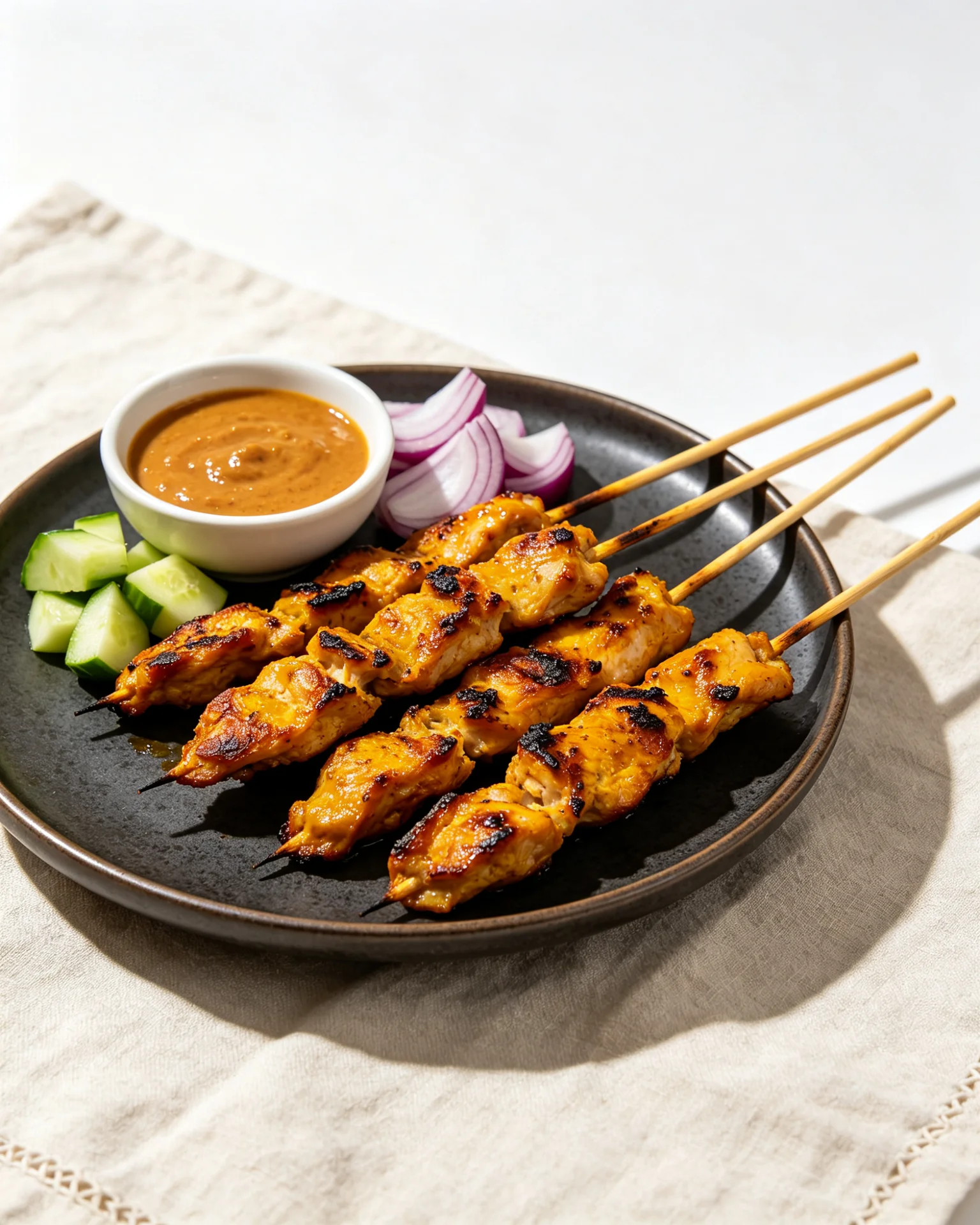
If seasoned rice is your weakness, my ++Yangzhou fried rice++ and ++Asian style chicken rice bowls++ both live in the same family, and a plate of ++chicken satay++ turns the dinner into a full hawker spread. For the wider picture, my ++complete Chinese cooking guide++ covers the pantry and techniques behind this plate.
You might also like: Check out our complete Chinese cooking guide for more essential ingredients and techniques.
Testing Notes
Tested in Asha's kitchen. Last reviewed July 15, 2025.
Ingredient Substitutions
Substitution notes coming soon.
About Asha
Half Asian, half African cook raised between two food-obsessed cultures. I've spent 10 years learning Asian cooking traditions through family, friends, and thousands of hours at the stove — testing every dish until it works in a standard home kitchen.
Read my full storyTechnique & Pantry Guides
Related Recipes
More delicious dishes you might enjoy


Loading comments...