What Is Oyster Sauce and When Do You Use It?
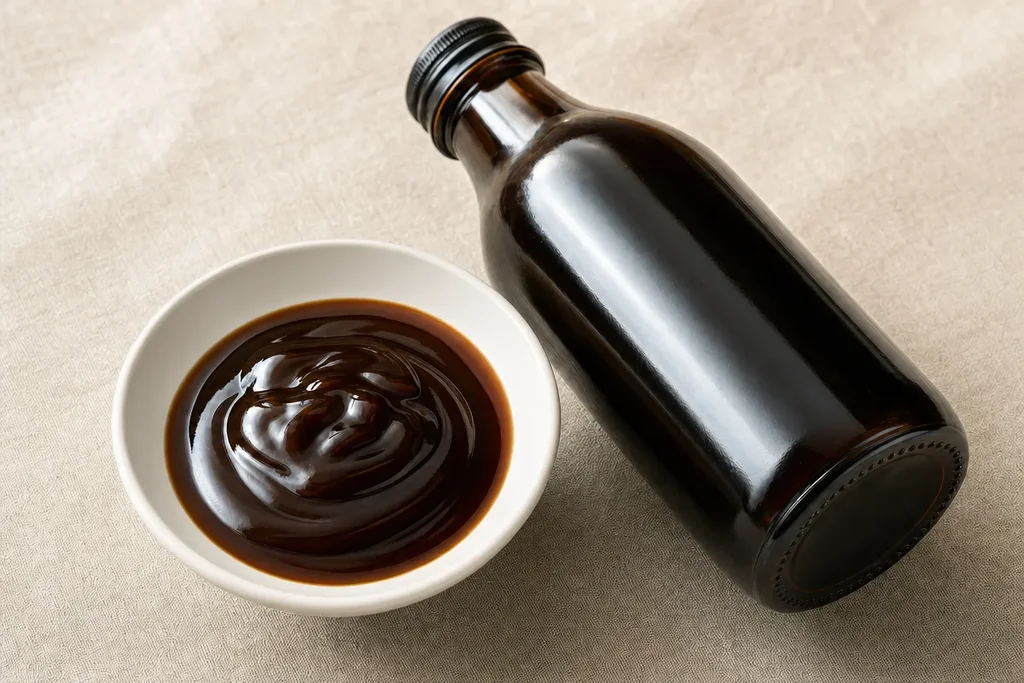
Oyster sauce is the ingredient that makes Chinese stir-fry taste like Chinese stir-fry and not like a home cook improvising with soy sauce. I understood this the first time I made beef and broccoli properly — the version with oyster sauce in the sauce and the version without. Both had soy sauce, both had garlic, both had the same protein and vegetable. The one without oyster sauce tasted like soy-braised beef and broccoli. The one with oyster sauce tasted like the dish from the restaurant.
That difference is what oyster sauce does. It is not a flavour you can identify in isolation in a finished dish. It is the reason the dish tastes complete rather than assembled.
What is oyster sauce made from?
Oyster sauce is made by cooking oysters in water, reducing the liquid until it concentrates into a thick, dark, intensely savoury sauce, then seasoning with salt and sometimes sugar and starch. Traditional oyster sauce production takes 24 to 48 hours of slow reduction. Commercial production uses oyster extract concentrated quickly — the result is consistent but slightly less complex than traditionally made sauce.
The colour — deep brown, almost black — comes from the caramelisation of oyster proteins and sugars during the reduction process. The thick, glossy texture comes from the natural collagen released from the oysters during cooking. Commercial versions add starch to achieve the same consistency more efficiently.
According to Wikipedia’s entry on oyster sauce, the sauce was invented in 1888 in Guangdong, China, when a cook accidentally left oysters simmering too long and discovered the concentrated liquid was intensely savoury and delicious.
What does oyster sauce taste like?
Oyster sauce tastes simultaneously sweet, savoury, and deeply umami — with a slight briny quality that identifies its origin without making it taste of oysters in the way raw oysters do. The sweetness comes from the natural sugars in the oyster meat and any added sugar. The umami comes from the concentrated glutamates released during the long reduction. The saltiness is present but moderate — less sharp than soy sauce.
In a finished stir-fry, oyster sauce is not identifiable as a distinct flavour. It provides what food scientists call kokumi — a roundness and depth that makes every other flavour in the dish taste more complete and satisfying.
How do you use oyster sauce in Chinese cooking?
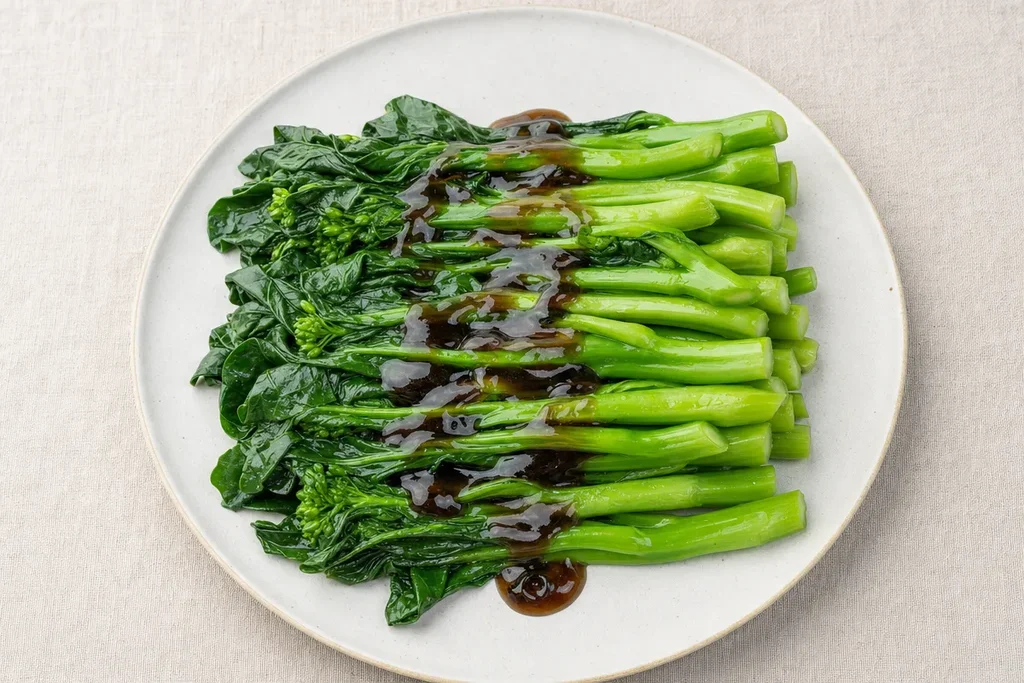
Oyster sauce serves three primary functions — as a stir-fry sauce component, as a finishing glaze, and as a marinade base.
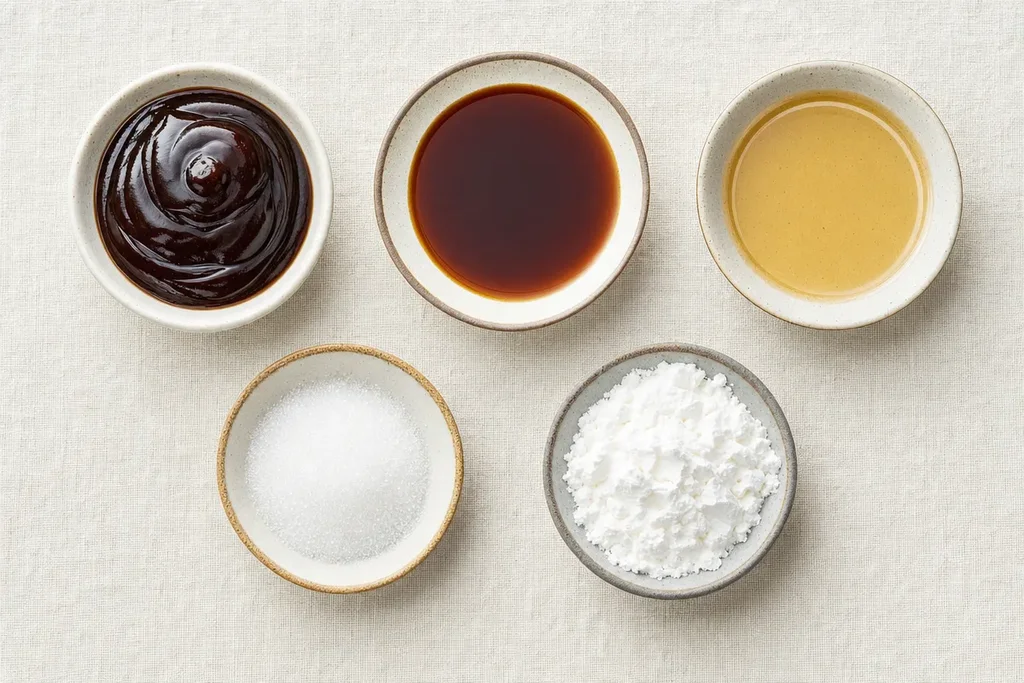
In stir-fry sauce: The standard Chinese stir-fry sauce ratio is 2 tablespoons oyster sauce, 1 tablespoon soy sauce, 1 teaspoon sesame oil, 1 teaspoon sugar, 1 teaspoon cornstarch dissolved in 2 tablespoons water. Mix before cooking starts. Add to the wok in the final 60 seconds of cooking and toss to coat. The cornstarch thickens the sauce as it hits the hot wok. See the Chinese cooking guide for the full stir-fry technique.
As a finishing glaze: Drizzle 1 tablespoon of oyster sauce over steamed vegetables — kai lan (Chinese broccoli), bok choy, or gai choy — immediately before serving. Do not cook it. The raw oyster sauce provides a glossy coating and concentrated flavour that heat would reduce.
As a marinade: Combine 2 tablespoons oyster sauce with 1 tablespoon soy sauce, 1 teaspoon sesame oil, and minced garlic. Use for beef, pork, or chicken. Marinate for 30 minutes minimum — the natural enzymes in oyster sauce begin tenderising protein within 15 minutes.
Can you substitute oyster sauce?
For a vegetarian substitute: hoisin sauce at a 1:1 ratio. Hoisin is sweeter and less savoury than oyster sauce but provides a similar thick, dark glaze in cooked dishes. Add a small amount of soy sauce to increase the savouriness.
For a non-vegetarian substitute that is closer in flavour: combine 1 tablespoon hoisin sauce with 1 teaspoon fish sauce. This approximates oyster sauce’s sweet-savoury-briny combination more closely than hoisin alone.
There is no substitute that exactly replicates oyster sauce’s specific flavour profile. Oyster sauce is available at every Asian supermarket and most large supermarkets globally — sourcing the real ingredient is always preferable.
Lee Kum Kee is the benchmark brand — the company invented commercial oyster sauce in 1888 and remains the most widely available quality option.
How do you store oyster sauce?
An opened bottle of oyster sauce keeps in the refrigerator for up to 6 months. The high sugar and salt content prevents rapid spoilage but refrigeration preserves flavour and prevents fermentation. Surface darkening is normal. Replace when the sauce develops an off smell or visible mould.
FAQ
What is oyster sauce used for? Oyster sauce is used as a primary component of Chinese stir-fry sauces, as a finishing glaze for steamed vegetables, and as a marinade base for meat and poultry. It adds sweet-savoury umami depth and a glossy finish that soy sauce alone cannot produce. It appears in beef and broccoli, chow mein, fried rice, and most Cantonese stir-fry dishes.
Does oyster sauce taste like oysters? Not in a finished dish. The reduction process concentrates the umami and sweetness from the oysters while the briny, oceanic quality diminishes significantly. In a stir-fry or glaze, oyster sauce is not identifiable as oyster-flavoured — it adds depth and roundness without a shellfish taste.
Is oyster sauce gluten-free? Most commercial oyster sauces contain wheat starch as a thickener and are not gluten-free. Lee Kum Kee produces a gluten-free version labelled specifically. Always check labels if gluten is a concern.
What is the best oyster sauce brand? Lee Kum Kee Premium Oyster Sauce is the benchmark — it is the original commercial oyster sauce brand dating to 1888 and the most widely available quality option. Maekrua is a reliable Thai alternative with slightly less sweetness. Avoid very cheap generic brands — the oyster extract content is significantly lower.
About Asha
Half Asian, half African cook raised between two food-obsessed cultures. I've spent 10 years learning Asian cooking traditions through family, friends, and thousands of hours at the stove — testing every dish until it works in a standard home kitchen.
Read my full storyRecipes to Try

Japanese Katsu Bowl with Tonkatsu Sauce

Classic Cantonese Shrimp and Bell Pepper Stir Fry in Wok Sauce

Chinese Beef Stir Fry Recipe (Oyster Sauce)
Chinese Eggplant with Garlic Sauce (鱼香茄子)
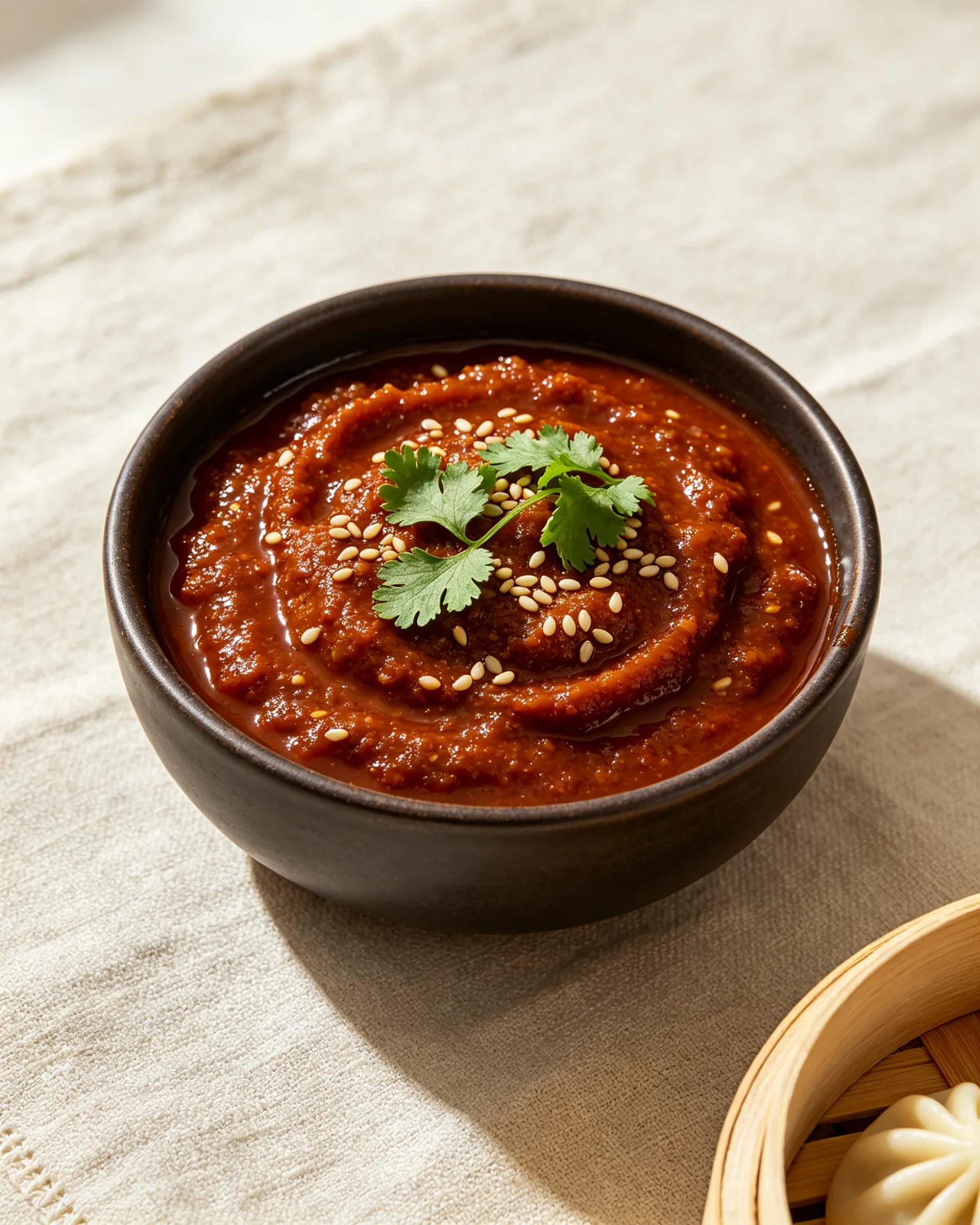
Momo Achar Recipe (Nepali Dipping Sauce)

Chinese Egg Stir Fry Noodles Recipe with Savory Garlic Sauce

PF Chang-Inspired Lettuce Wraps Recipe
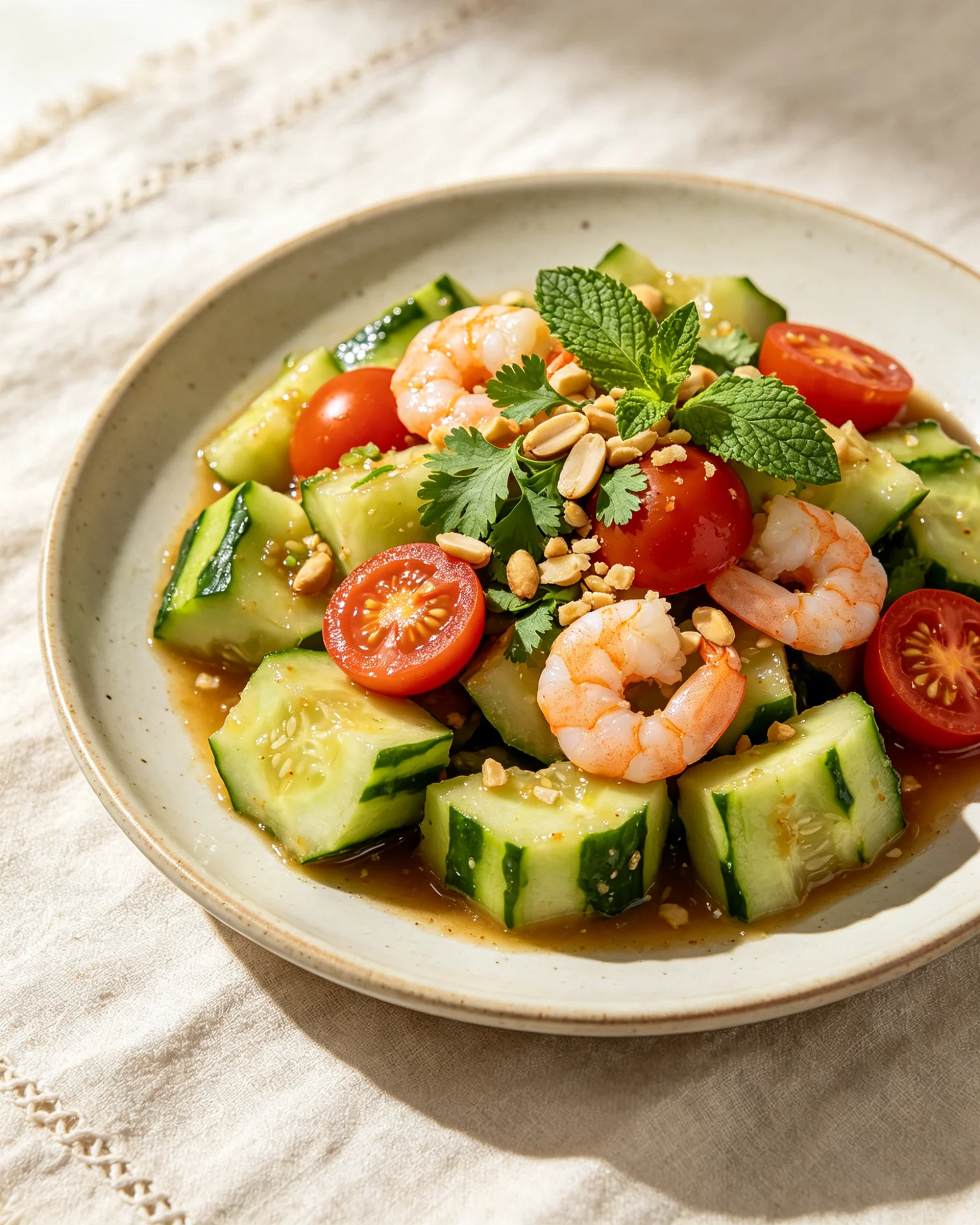
Thai Cucumber and Shrimp Salad (Tam Taeng)
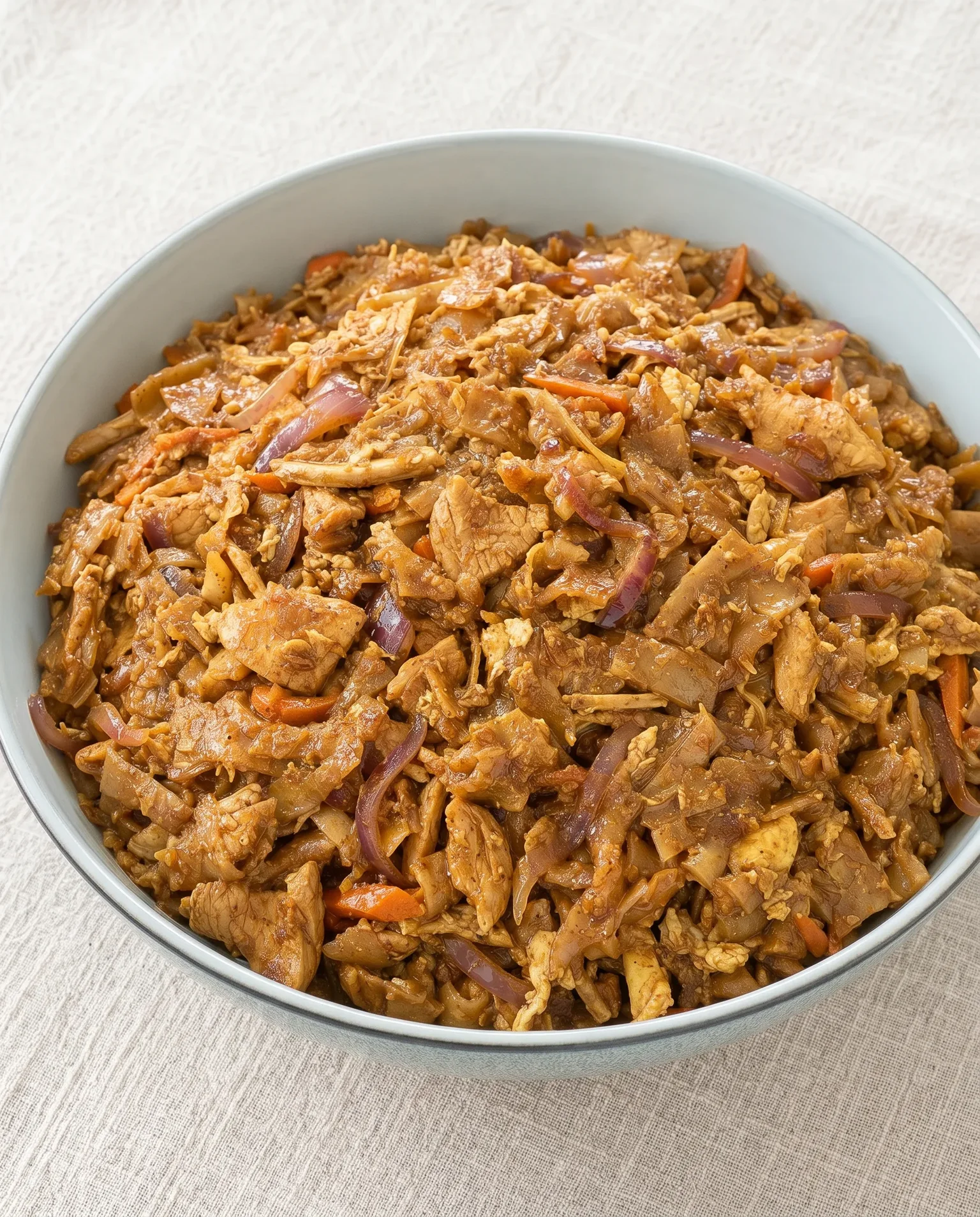
Sri Lankan Chicken Kottu Roti Recipe (With Homemade Godamba Roti)
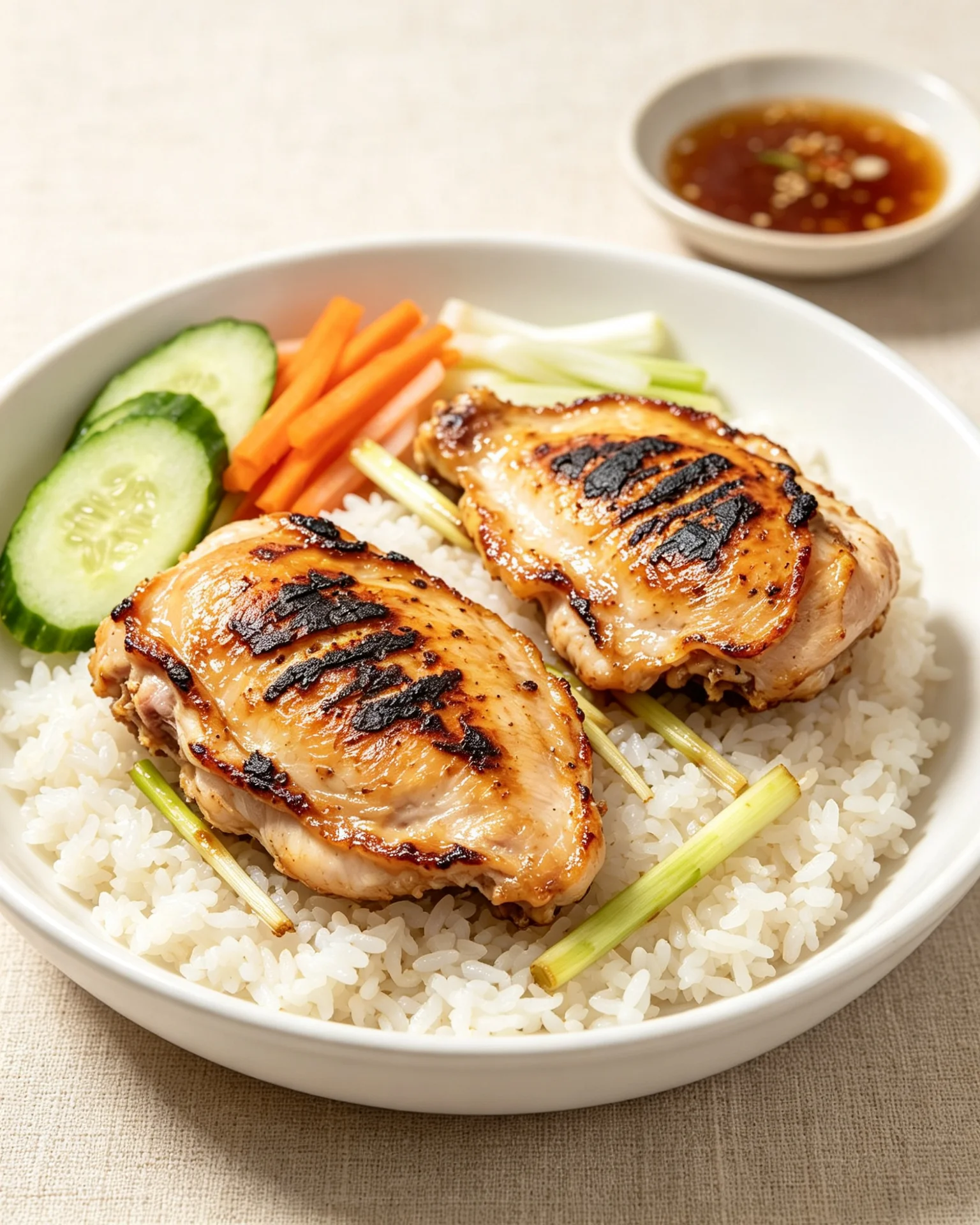
Vietnamese Lemongrass Chicken Recipe

Easy Chicken Chow Mein – Authentic Chinese Noodles

Loading comments...