What Is Doenjang and How Does It Differ from Miso?

Doenjang (된장, pronounced dwen-jang) is the fermented soybean paste that sits at the centre of Korean cooking the way miso sits at the centre of Japanese cooking — except it is older, more pungent, and considerably less understood outside Korea. I spent the first three years of cooking Korean food seriously avoiding it. It smelled aggressive straight from the tub. I substituted miso the first time I made doenjang jjigae and produced something that tasted vaguely Korean but fundamentally wrong — softer, sweeter, and missing the sharp fermented edge that makes the stew taste like itself.
That substitution was the mistake that finally made me understand what doenjang actually is. It is not Korean miso. It is a completely different fermented product that happens to share a base ingredient.
What is doenjang made from and how is it fermented?
Doenjang is made from soybeans and salt — nothing else in the traditional version. Soybeans are boiled, mashed into blocks called meju, dried for 40 to 60 days, then submerged in salt brine in earthenware pots for a minimum of 60 days and up to several years. During fermentation the liquid separates from the solids — the liquid becomes ganjang (Korean soy sauce) and the remaining solids become doenjang. The lids are left partially open during fermentation to allow airflow — the opposite of anaerobic fermentation used in kimchi.

This triple fermentation process — drying, brining, and open-air aging — is what produces doenjang’s characteristic sharp, complex, deeply pungent flavour. According to Wikipedia’s entry on doenjang, records of doenjang production in Korea date back over 2,000 years — making it one of the oldest fermented condiments in documented food history.
How does doenjang differ from miso?

Doenjang and miso are both fermented soybean pastes but the fermentation process, flavour profile, and culinary function are all different. Miso uses koji — a mould grown on rice or barley — as a starter culture. Doenjang uses no external starter. The soybeans ferment through naturally occurring bacteria on the dried meju blocks. This difference in fermentation starter is why doenjang tastes sharper, more pungent, and more complex than miso — and why they are not interchangeable.
The practical difference at the stove: miso paste dissolves smoothly into liquid and produces a mild, slightly sweet umami broth. Doenjang does not fully dissolve — it leaves texture in the broth and produces a sharp, earthy depth that miso cannot replicate. When I substituted miso in doenjang jjigae the broth tasted clean and mild. Doenjang jjigae is supposed to taste funky, assertive, and slightly rough around the edges. That roughness is the point.
Substitution ratio if you have no choice: use half the amount of doenjang when substituting for miso — doenjang is significantly more intense. Never substitute miso for doenjang in doenjang jjigae — the flavour profile changes too fundamentally.
What does doenjang taste like?

Doenjang tastes deeply savoury, sharply fermented, and slightly earthy — significantly more pungent and assertive than miso. The flavour has three distinct layers: an initial saltiness, a mid-palate umami depth, and a lingering fermented sharpness that miso does not have. The texture is chunky and paste-like rather than smooth — traditional doenjang contains visible pieces of soybean that have not fully broken down during fermentation.
The smell from the tub is more aggressive than the flavour in a finished dish. I made the mistake of smelling doenjang straight from the container the first time and nearly put it back on the shelf. In a finished jjigae the pungency softens and the earthy umami depth becomes the dominant flavour. The smell is not representative of what it does in a cooked dish — the same principle as fish sauce.
How do you use doenjang in Korean cooking?

Doenjang serves three primary functions in Korean cooking — as the base of doenjang jjigae, as a component of ssamjang dipping sauce, and as a marinade and seasoning for vegetables and fish.
In doenjang jjigae: Doenjang jjigae is the most commonly eaten Korean home stew alongside kimchi-jjigae. The technique is different from kimchi-jjigae — doenjang is not bloomed in oil first. It is dissolved directly into anchovy-kelp stock over medium heat, then tofu, zucchini, mushrooms, and onion are added and simmered for 15 to 20 minutes. The stew is finished with a small amount of gochugaru for heat and colour. The doenjang jjigae recipe is coming to AsianFoodsDaily shortly — subscribe to be notified.

In ssamjang: Ssamjang is the dipping sauce served with Korean BBQ. It is made by combining 2 tablespoons doenjang with 1 tablespoon gochujang, 1 teaspoon sesame oil, 1 teaspoon sugar, and minced garlic. The doenjang provides the fermented depth and the gochujang provides the heat. It is served alongside bulgogi and galbi for wrapping in lettuce leaves.
As a marinade: Doenjang mixed with sesame oil, garlic, and a small amount of sugar produces a paste marinade for fish, eggplant, and mushrooms. The fermented enzymes in doenjang tenderise protein over 30 to 60 minutes of marinating.
Can you substitute doenjang with miso?
For most cooked dishes — yes, with adjustments. Use double the amount of miso to approximate doenjang’s intensity, and accept that the flavour will be milder and slightly sweeter. Miso paste works reasonably well in marinades and as a seasoning but falls short in doenjang jjigae where the sharpness of doenjang is the defining characteristic.
For ssamjang — miso substitution works better than in jjigae. The gochujang in ssamjang provides enough assertiveness that the milder miso base is less noticeable.
For doenjang jjigae specifically — source doenjang. The substitution produces a fundamentally different stew. Doenjang is available at H Mart, Korean grocery stores, and online — it is not a difficult ingredient to source. CJ Haechandle is the most widely available brand internationally. Sempio is another reliable option.
How do you store doenjang?

An opened tub of doenjang keeps in the refrigerator for up to 12 months. The salt concentration — typically 10 to 15% — prevents spoilage. The flavour continues developing slowly in the refrigerator — a tub opened 6 months ago will taste slightly more complex than a freshly opened one.
Keep it sealed tightly between uses. Exposure to air accelerates oxidation and darkens the surface. Surface darkening is normal and does not indicate spoilage — stir it back in before using. The sign that doenjang has gone off: a sharp ammoniacal smell rather than the characteristic fermented soybean smell. In practice this rarely happens with refrigerated storage.
FAQ
What is doenjang used for? Doenjang is used as the base of doenjang jjigae (Korean fermented soybean stew), as a component of ssamjang dipping sauce for Korean BBQ, and as a marinade for fish, eggplant, and mushrooms. It is one of the three core fermented pastes in Korean cooking alongside gochujang and ganjang.
Is doenjang the same as miso? No. Both are fermented soybean pastes but the fermentation process is different — doenjang uses no external starter culture while miso uses koji mould grown on rice or barley. Doenjang is sharper, more pungent, and more complex than miso. They are not directly interchangeable in Korean recipes.
Can I substitute miso for doenjang? Yes for most dishes with adjustments — use double the amount of miso to approximate doenjang’s intensity. The flavour will be milder and slightly sweeter. For doenjang jjigae specifically, sourcing actual doenjang produces a significantly better result — the sharpness that miso lacks is the defining characteristic of the stew.
How long does doenjang last in the refrigerator? Doenjang keeps for up to 12 months refrigerated in a sealed container. Surface darkening during storage is normal — stir it back in before using. Replace it when it develops an ammoniacal smell rather than its characteristic fermented soybean aroma.
About Asha
Half Asian, half African cook raised between two food-obsessed cultures. I've spent 10 years learning Asian cooking traditions through family, friends, and thousands of hours at the stove — testing every dish until it works in a standard home kitchen.
Read my full storyRecipes to Try
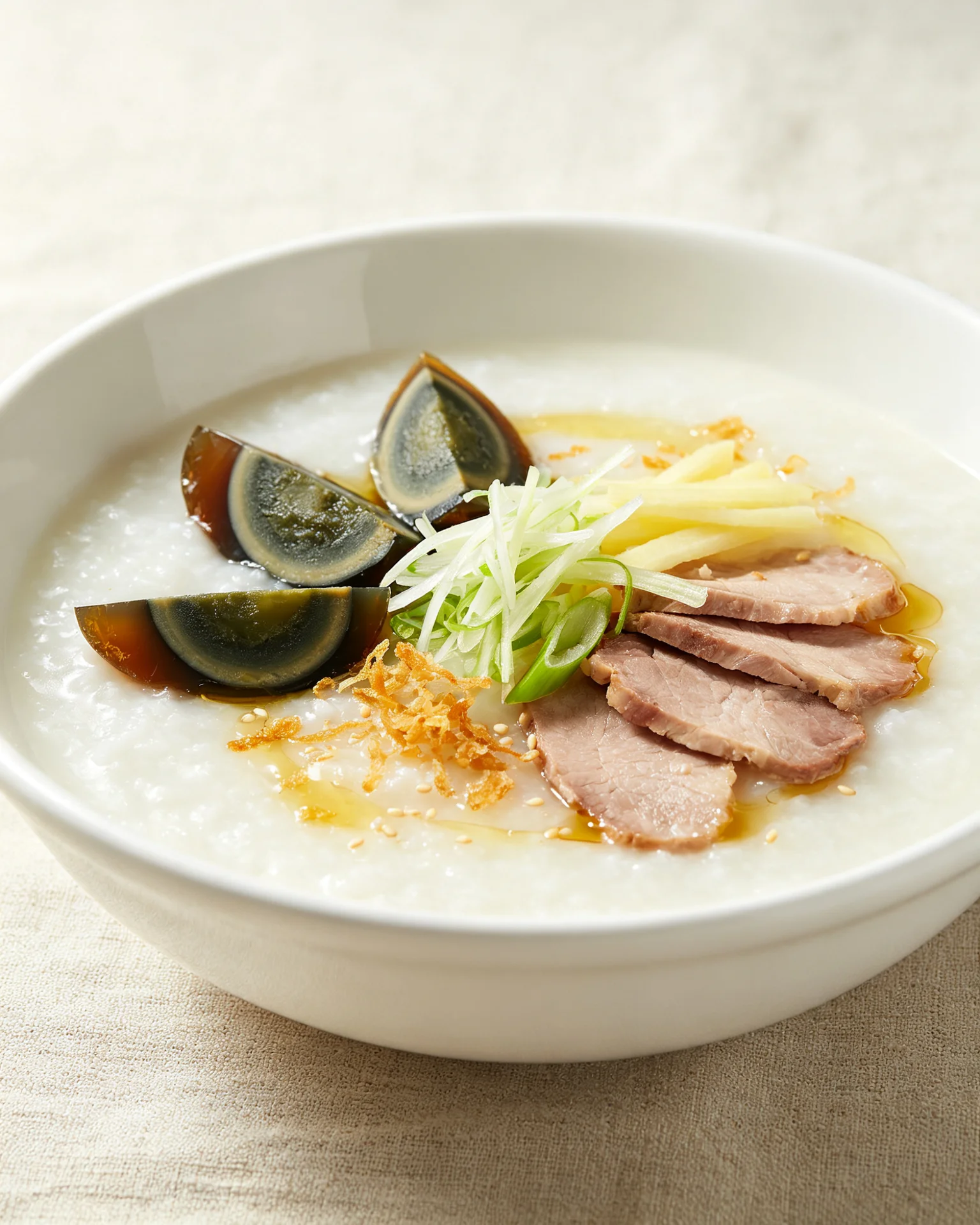
Cantonese Congee Recipe (Jook / 粥)

Authentic Kimchi Fried Rice Recipe (Kimchi Bokkeumbap)

How to Make Tender Apple Braised Pork Chops

Ampalaya Con Carne Recipe

How to Make Korean Steamed Eggs (Gyeran-jjim) Like a Pro
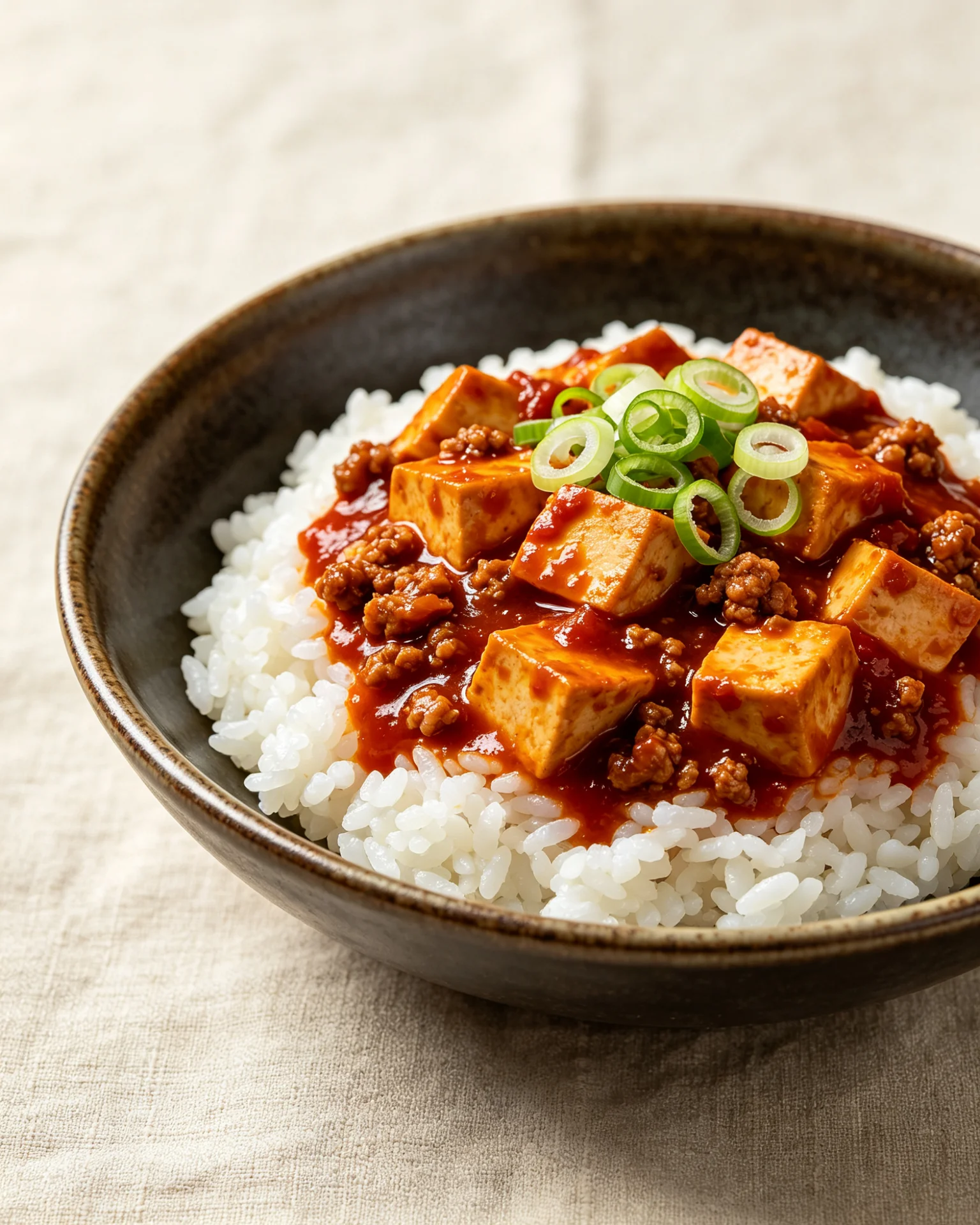
Mapo Tofu Recipe (麻婆豆腐)

BBQ Tandoori Lamb Chops

Mango Sticky Rice – Traditional Thai Dessert Recipe
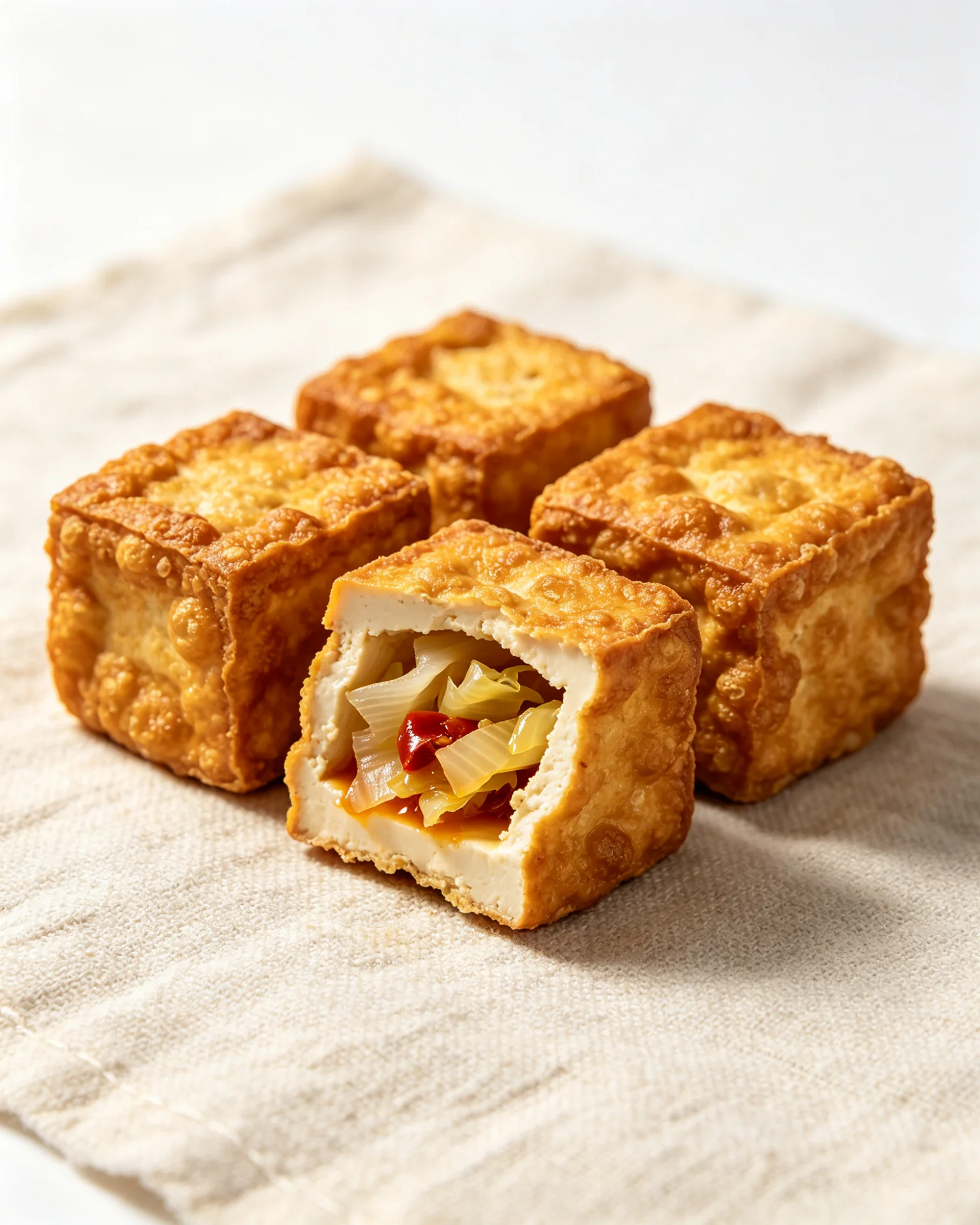
Stinky Tofu Recipe (臭豆腐 / Chou Doufu)

Best Spicy Edamame Recipe

How to Make Perfect Chilli Paneer at Home

Loading comments...