What Gochujang Is and How to Use It in Everyday Korean Cooking

Finely milled gochugaru chili powder. Glutinous rice syrup. Fermented soybean powder. Barley malt enzymes. Sea salt. That is the foundational architecture behind authentic Korean gochujang. Gochujang is not an ordinary hot sauce. It is a slow aged fermented paste that joins doenjang and ganjang as one of the three sacred jangs of the Korean kitchen. When cooked into bubbling stews or bloomed in hot oil, it releases balanced sweet heat, earthy umami, and glossy body that no vinegar hot sauce can duplicate.
I kept a red plastic tub of gochujang in my refrigerator door for six months before I understood its real purpose. I treated it like sriracha, spooning it raw over grain bowls and wondering why my Korean dinners tasted harsh and sharp. The realization came when I stirred a generous tablespoon into sizzling sesame oil while searing pork belly for stew. The harsh raw edge vanished, the natural rice sugars caramelized, and the entire kitchen filled with a deep, smoky warmth. If you want to master the foundational pantry staples and banchan techniques of Seoul home cooking, explore my ++complete Korean cooking guide++ before you light the stove.
Onggi Earthenware Fermentation Converts Grain Starches into Natural Sugar
Authentic gochujang, written 고추장, is brewed through a multi stage biochemical transformation rather than simple ingredient blending. Traditional Korean households combine sweet rice flour with water and yeotgireum barley malt.
The active amylase enzymes in barley malt break down complex glutinous rice starches into simple glucose and maltose sugars. This enzymatic saccharification explains why real gochujang tastes sweet without needing spoonfuls of refined white sugar. Brewers then whisk in meju garu, a fermented soybean powder rich in fungal proteases, followed by fine gochugaru chili powder and sea salt.
The combined paste ages in large porous clay vessels called onggi for a minimum of six months, and often up to three years. According to ++fermentation biochemistry research on PubMed++, beneficial microbes hydrolyze soy proteins into glutamic acid and savory peptides while mellowing the raw capsaicin. Onggi breathing walls allow gases to escape while blocking moisture, yielding a glossy, dense paste concentrated with natural umami.
Four Simultaneous Flavor Dimensions Define the Palate Profile
Tasting raw gochujang straight from the container often overwhelms newcomers. Four distinct flavor profiles land on the palate simultaneously rather than in sequence.
The first sensation is a slow, radiant heat derived from fine red pepper flakes. Unlike sharp vinegar hot sauces that sting the tongue immediately, gochujang delivers a warm, cumulative burn that builds in the chest.
The second dimension is clean sweetness produced by the fermented sweet rice. The third dimension is deep earthiness contributed by the fermented soybean block powder. The fourth dimension is lingering umami driven by natural free glutamates.
When left uncooked, these four elements pull in opposite directions. The magic happens exclusively through heat. Searing the paste in fat or simmering it in broth unifies the four dimensions, melting them into a rich, cohesive background.
Gochujang Processing Differs Completely from Single Ingredient Gochugaru
Home cooks frequently confuse gochujang with gochugaru, but the two pantry staples perform entirely different structural roles.
Gochugaru consists purely of dried, coarsely ground sun dried Korean chili peppers. It is an unfermented single ingredient spice that contributes vibrant ruby red color, bright fruitiness, and clean heat. It contains zero sugar and zero soy umami.
Gochujang is a complex fermented paste containing gochugaru alongside sweet rice, soybean powder, and barley malt. It contributes thick viscosity, body, sweetness, and deep savory depth.
Most traditional Korean braises and soups use both ingredients together. In my kitchen, I bloom gochugaru in hot oil first to infuse color and fragrant chili oils, then dissolve gochujang into the simmering broth to build body and rich fermented backbone. To see how these two chili elements work in everyday banchan, try our ++crispy Korean fried chicken++ and savory ++soy braised jangjorim++.
Four Essential Kitchen Applications Anchor Traditional Korean Menus
Korean cooks rely on gochujang across four primary culinary techniques, treating it as an active cooking base rather than a passive garnish.
Stew blooming represents the first classic method. In hearty stews like kimchi jjigae and sundubu jjigae, cooks fry a tablespoon of gochujang in sesame oil alongside aromatics for sixty seconds before adding anchovy broth. Searing the paste in hot fat drives off raw vegetal aromas and dissolves fat soluble carotenoid pigments into the cooking oil.
Tteokbokki sauce represents the second technique. Here, gochujang acts as the primary sauce thickener rather than a seasoning. Simmered with dried anchovy kelp stock, soy sauce, and chewy rice cakes, the rice starches inside the gochujang hydrate and thicken the broth into a rich, glossy glaze that clings to every cylinder.
Meat marinades represent the third application. Combining two tablespoons of gochujang with grated Asian pear, minced garlic, soy sauce, and toasted sesame oil tenderizes pork belly, thinly sliced beef, and chicken. The natural proteases from the fermented soybeans soften muscle fibers during an overnight chill. This technique produces our classic ++sweet and savory beef bulgogi++.
Ssamjang dipping sauce represents the fourth technique. Korean barbecue tables always feature a small bowl combining two parts earthy doenjang soybean paste with one part spicy gochujang, finished with sesame seeds, minced garlic, and green onion. Wrapped in crisp perilla leaves with grilled pork, ssamjang provides the ultimate savory counterweight celebrated across our ++Korean culinary traditions++.
Kitchen Substitution Hierarchy Ranks Emergency Pantry Alternatives
Because gochujang balances four distinct flavor profiles, no single store bought bottle can replicate its exact character. When dinner is halfway through and your red tub is empty, use this kitchen hierarchy to keep cooking.
Red miso paste blended with sriracha and honey serves as the most effective emergency substitute. Whisk one tablespoon of dark red miso with one teaspoon of sriracha chili sauce and half a teaspoon of honey or maple syrup. Red miso supplies the fermented soybean umami, sriracha provides pepper heat and red color, and honey approximates the gentle sweetness of malted sweet rice.
Sambal oelek mixed with brown sugar and soy sauce works as a secondary alternative for stir fries. The ground chili paste provides heat and body, though it lacks the deep fermented funk of traditional Korean jang.
Never use straight sriracha, sweet Thai chili sauce, or Mexican hot sauce as direct replacements. Vinegar forward sauces introduce excessive acidity that clashes with Korean flavor profiles, while sweet chili sauce lacks all savory soy depth.
Always seek out real Korean tubs at Asian markets or online grocers. Reliable heritage brands include Haechandle and Sempio. Check the spice level indicators on the label, which rank heat from mild to extreme. The medium heat tub with a dark red lid offers the most versatile balance for family cooking. If you are stocking your shelves from scratch, explore our ++Korean home pantry guide++ for essential bottles and noodles like ++savory beef japchae++.
Proper Refrigerator Storage Prevents Surface Darkening and Spoilage
An opened plastic tub of real gochujang keeps safely in the refrigerator for up to twelve months.
High salt levels and natural fermentation acids protect the paste from bacterial spoilage. However, exposure to oxygen causes the surface layer to darken from brilliant scarlet to deep brick red. This oxidation is harmless, but it can dry out the top crust.
To keep your paste fresh, press a small square of plastic cling wrap directly against the surface of the paste before snapping the lid shut. If the top layer darkens slightly over time, simply stir it back into the moist paste below with a clean spoon.
Always use a clean, dry spoon when scooping paste from the tub. Introducing droplets of water, cooking oil, or food crumbs can introduce surface mold. If fuzzy green or white mold spots appear across the surface, discard the tub immediately. For more on traditional preservation science, read my complete exploration of ++fermented foods across Asian cultures++.
Love Korean food?
Check out my complete guide to Korean home cooking, pantry essentials, and techniques.
Frequently Asked Questions
Q: Is gochujang considered excessively spicy for sensitive palates?
A: Gochujang carries a moderate, radiant warmth rather than a sharp sting. The high proportion of sweet malted rice buffers the capsaicin in the red chilies, creating a rounded heat that builds gently. Commercial tubs carry heat indicator meters on the front label, allowing home cooks to select mild or medium heat varieties that suit their spice tolerance.
Q: Can gochujang be eaten raw as a table condiment?
A: Gochujang is safe to eat raw, but its raw flavor tastes intense, salty, and sharp straight from the container. It tastes best when bloomed in hot cooking oil, dissolved into simmering soups, or blended with sesame oil and sweeteners into dipping sauces like ssamjang or bibimbap dressing.
Q: Is store bought gochujang naturally gluten free?
A: Most commercial gochujang brands are not gluten free because they incorporate wheat flour or barley malt syrup alongside sweet rice to speed up industrial production. Home cooks with celiac disease or gluten sensitivities should look for specialty gluten free bottles labeled with tamari and pure rice starch.
Q: What makes gochujang turn dark brown over time?
A: Surface darkening is caused by natural oxidation when the paste comes into contact with air inside the refrigerator. It does not mean the paste has spoiled. Pressing plastic wrap directly against the surface blocks oxygen and preserves its bright red color.
About Asha
Half Asian, half African cook raised between two food-obsessed cultures. I've spent 10 years learning Asian cooking traditions through family, friends, and thousands of hours at the stove — testing every dish until it works in a standard home kitchen.
Read my full storyRecipes to Try
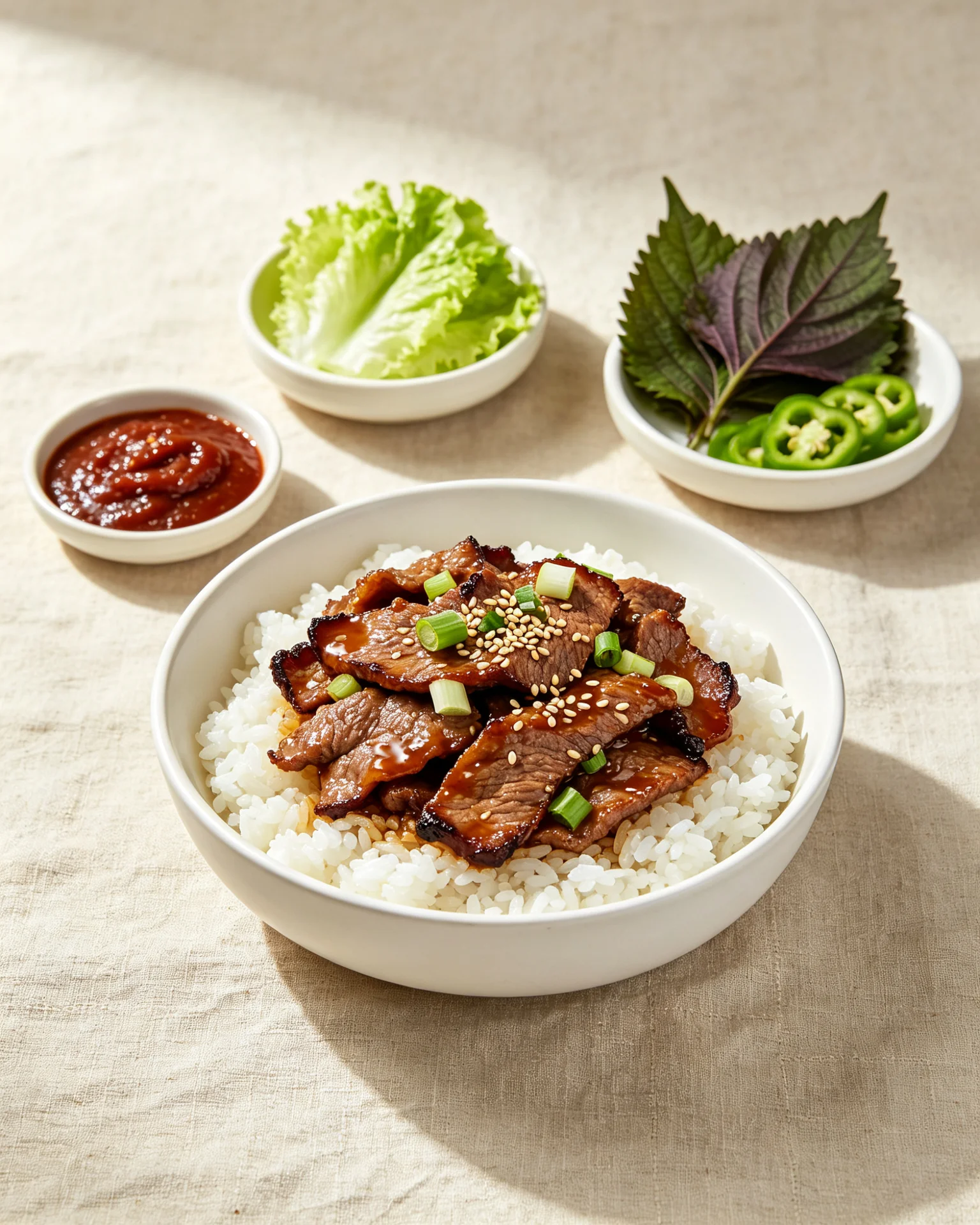
Korean Beef Bulgogi Recipe (불고기)

Quick Korean Cucumber Kimchi

How to Make Korean Jangjorim (Easy Soy-Braised Beef & Eggs)

How to Make Korean Marinated Eggs (Mayak Eggs)

How to Make Delicious Korean Glass Noodles (Japchae)

How to Make Korean Steamed Eggs (Gyeran-jjim) Like a Pro

The Best Korean Fried Chicken Recipe

How to Make Traditional Kimchi (Foolproof Seven Day Plan)

How To Make Thai Roasted Duck Curry
Gyudon Recipe (Japanese Beef Bowl)
Hunan Chicken Recipe (Chinese Style)

Loading comments...