BBQ Pork Fried Rice Recipe: Better Than Takeout

Jump to Section
Making BBQ pork fried rice at home is one of the most satisfying 20-minute meals in Chinese cooking. This complete guide shows you how to recreate the smoky, savory char siu fried rice served at Cantonese restaurants — with the right ingredients, wok technique, and insider tips that make every grain count.
What Is BBQ Pork Fried Rice?
BBQ pork fried rice — known in Cantonese as 叉燒炒飯 (char siu chow fan) — is a classic of Hong Kong–style and Chinese-American cooking. Tender, caramelized char siu pork is tossed through fluffy, slightly crispy day-old jasmine rice with scrambled eggs, green onions, and a savory soy-oyster sauce.
Unlike plain egg fried rice, char siu fried rice benefits from the pork’s natural lacquered glaze, which adds sweetness, color, and deep caramelization that no other protein can replicate. It’s a dish born from resourcefulness — transforming leftover rice and BBQ pork into something greater than the sum of its parts — and it delivers restaurant-quality results in under 20 minutes.
Why This Recipe Works
After making countless batches of char siu fried rice across home kitchens and professional wok stations, three elements consistently separate great fried rice from mediocre fried rice:
- Day-old jasmine rice — Fresh rice releases steam in the wok and turns gummy. Refrigerated day-old rice has dried out enough that each grain fries independently for the right chewy, slightly crispy texture.
- High heat without overcrowding — Heat creates wok hei (鑊氣), the smoky, lightly charred flavor that defines restaurant-style fried rice. Overcrowding drops the temperature and causes steaming instead of frying.
- Char siu’s caramelized glaze — The honey-hoisin lacquer on the pork melts into the rice as it fries, adding a subtle sweetness and color that a plain pork stir-fry never achieves.
Ingredients for Char Siu Fried Rice

For the Fried Rice (Serves 4)
- 3 cups cooked jasmine rice (day-old, refrigerated)
- **1½ cups char siu BBQ pork**, sliced into ½-inch pieces
- 3 large eggs, lightly beaten
- 3 tablespoons neutral oil (vegetable or avocado oil)
- 3 green onions (scallions), thinly sliced — whites and greens separated
- 3 cloves garlic, minced
- ½ cup frozen peas and carrots, thawed
Sauce
- 2 tablespoons soy sauce (light or all-purpose)
- 1 tablespoon oyster sauce
- 1 teaspoon sesame oil
- ½ teaspoon white pepper
- ½ teaspoon sugar
Optional Add-Ins
- Bean sprouts
- Corn kernels
- Diced white onion
- A drizzle of chili oil for heat
How to Make BBQ Pork Fried Rice: Step-by-Step

Preparation (10 minutes before cooking)
Prepare your rice: Break up refrigerated day-old rice by hand so all clumps are separated before it hits the wok. Clumps that enter the hot wok will steam instead of fry. If you only have freshly cooked rice, spread it on a baking sheet and refrigerate for at least 2 hours first.
Mix your sauce: Combine soy sauce, oyster sauce, sesame oil, white pepper, and sugar in a small bowl. Stir until the sugar dissolves. Set aside. Having sauce pre-mixed means you never have to measure over a hot wok.
Prep everything else: Mince garlic, separate scallion whites from greens, slice char siu, and thaw peas and carrots. Fried rice cooks in under 10 minutes — every ingredient must be within arm’s reach before you turn on the heat.
Cooking (8–10 minutes)

Step 1: Scramble the eggs Heat a wok or large skillet over high heat until it just begins to smoke. Add 1 tablespoon of oil and swirl to coat. Pour in the beaten eggs and let them sit undisturbed for 10 seconds, then gently scramble until just set but still slightly soft. Remove from the wok and set aside.
Step 2: Sauté aromatics Add 1 tablespoon of oil to the hot wok. Add the minced garlic and the white parts of the scallions. Stir constantly for 30 seconds until fragrant and just golden. Do not let the garlic burn.
Step 3: Fry the rice Add the remaining oil, then add the day-old rice in a single layer. Let it cook undisturbed for 60–90 seconds to develop a light crust on the bottom. Then fold from underneath and spread again. Repeat this 2–3 times until the rice has toasty, golden-fried edges.
Step 4: Add pork and vegetables Push the rice to the sides of the wok. Add the char siu and peas/carrots to the center. Toss everything together and stir-fry for 1–2 minutes until the pork is heated through and its glaze begins to caramelize into the rice.
Step 5: Sauce and finish Pour the sauce around the edges of the wok (not directly on the rice) so it hits the hot surface first. Toss quickly to coat every grain evenly. Return the scrambled eggs, breaking them into smaller pieces as you fold them in. The rice should look glossy and evenly colored — light brown, not dark.
Plating
Transfer to a serving bowl or plate. Scatter the green scallion slices over the top.
Show Image
What Is Wok Hei and How Do You Get It at Home?
Wok hei (鑊氣) literally means “wok breath” — the faintly smoky, charred aroma that defines restaurant-quality fried rice. It comes from extremely high heat vaporizing oil in fractions of a second, briefly flambéing the ingredients as they toss through the air. According to Omnivore’s Cookbook, achieving true wok hei requires a very powerful gas stove and proper wok technique — but as long as you use overnight rice and toast it properly at high heat, you can get excellent results at home.
Home stoves rarely reach the 50,000–200,000 BTU output of commercial wok burners. But these two strategies close the gap significantly:
For gas stoves: Use the highest burner setting and preheat your wok for a full 3 minutes before adding oil. Tilt the wok slightly to concentrate the flame on one side while tossing.
For electric or induction cooktops: Use a well-seasoned 12-inch cast iron skillet preheated for 3–4 minutes on the highest setting. The thermal mass of cast iron holds heat well. Cook in smaller batches (1–1.5 cups of rice at a time) to keep the surface temperature high.
In both cases, dry and cold rice is essential — moisture is the single biggest barrier to wok hei at home.
How to Source or Make Char Siu BBQ Pork
Option 1: Buy It Ready-Made
Most Asian grocery stores carry freshly roasted char siu at the deli counter, often hanging in the window — a sign of quality. Look for a dark, lacquered exterior with slight char marks and a pinkish-red interior. Good sources include 99 Ranch Market, H Mart, Seafood City, and local Chinatown butchers.
Option 2: Make It at Home
Classic char siu marinade combines hoisin sauce, honey, soy sauce, five-spice powder, Chinese rose wine, and red fermented tofu for its signature deep color. The pork is marinated overnight, roasted at high heat, and basted repeatedly for a glossy lacquered finish. The Woks of Life’s classic restaurant-style char siu guide is a trusted external reference if you want to go deep on the technique.
You can also follow our own Char Siu (Chinese BBQ Pork) recipe for a step-by-step homemade version — it produces deeply caramelized, melt-tender pork that elevates this fried rice completely.
Common Mistakes to Avoid
After testing this recipe with home cooks of all experience levels, these errors come up repeatedly:
Using fresh rice: The number one mistake. Fresh rice contains too much moisture and turns gummy in the wok. Always use rice that has been refrigerated overnight, or spread it out and cool it for at least 2 hours before frying.
Overcrowding the wok: Cooking too much at once drops the wok temperature, causing the rice to steam instead of fry. Cook in two batches if feeding more than 4 people.
Adding sauce directly onto the rice: Pouring sauce straight onto the rice cools it down and creates soggy spots. Always add it around the hot edges of the wok so it sizzles and concentrates before reaching the rice.
Skipping the pre-mixing: Measuring soy sauce and oyster sauce directly over a screaming hot wok leads to uneven seasoning. Mix everything in a bowl beforehand.
Overcooking the eggs: Eggs added to fried rice should be barely set when removed. They’ll finish cooking when returned to the wok at the end — overcooked, rubbery egg is one of the most common fried rice disappointments.
Popular Variations
Pineapple Char Siu Fried Rice
Add ½ cup of diced fresh or canned pineapple alongside the char siu in Step 4. The natural acidity and sweetness balance the savory pork beautifully — a popular variation found in Hong Kong-style cafés (cha chaan tengs).
Spicy BBQ Pork Fried Rice
Stir 1–2 teaspoons of sambal oelek or doubanjiang (fermented chili bean paste) into the sauce before cooking. Top with crispy shallots and a fried egg for a Sichuan-Cantonese crossover. For more Sichuan-forward heat in your Chinese cooking, our authentic Mapo Tofu is another great recipe to explore.
Yang Chow–Inspired Version
Add ½ cup of peeled shrimp alongside the char siu. This combination of pork and shrimp is the hallmark of Yangzhou-style fried rice — one of China’s most celebrated regional preparations. For a deeper look at the Yangzhou technique, Omnivore’s Cookbook also has an excellent Yang Zhou Fried Rice guide worth reading.
Kimchi BBQ Pork Fried Rice
Replace the soy-oyster sauce with 2 tablespoons of kimchi juice and add ½ cup of chopped kimchi with the vegetables. The fermented tang cuts through the richness of the char siu perfectly. See our full Kimchi Fried Rice recipe for the standalone version.
Vegetarian Version (No Pork)
Skip the char siu entirely. Double the eggs and add ½ cup of diced firm tofu pan-fried until golden. Replace oyster sauce with mushroom oyster sauce (widely available and fully vegan) for the same depth of flavor.
Storage and Reheating
Meal prep tip: Cook rice 1–2 days ahead. Spread it in a single layer to cool, then refrigerate uncovered for the first hour before covering. This dries the grains — the single biggest upgrade you can make to your fried rice.
Leftovers: Store cooled fried rice in an airtight container in the refrigerator for up to 3 days.
Best reheating method: Return to a hot wok or skillet with a tiny splash of water and a drop of oil, covered for 1–2 minutes over medium-high heat. The steam softens the rice while the heat re-crisps it.
Microwave method: Place in a microwave-safe bowl, cover with a damp paper towel, and heat in 45-second intervals, stirring between each.
Freezing: Fried rice freezes well for up to 1 month. Reheat from frozen in a covered pan over medium heat, adding a tablespoon of water to help it come back to life.
What to Serve With BBQ Pork Fried Rice
- Wonton Noodle Soup — the definitive Cantonese pairing
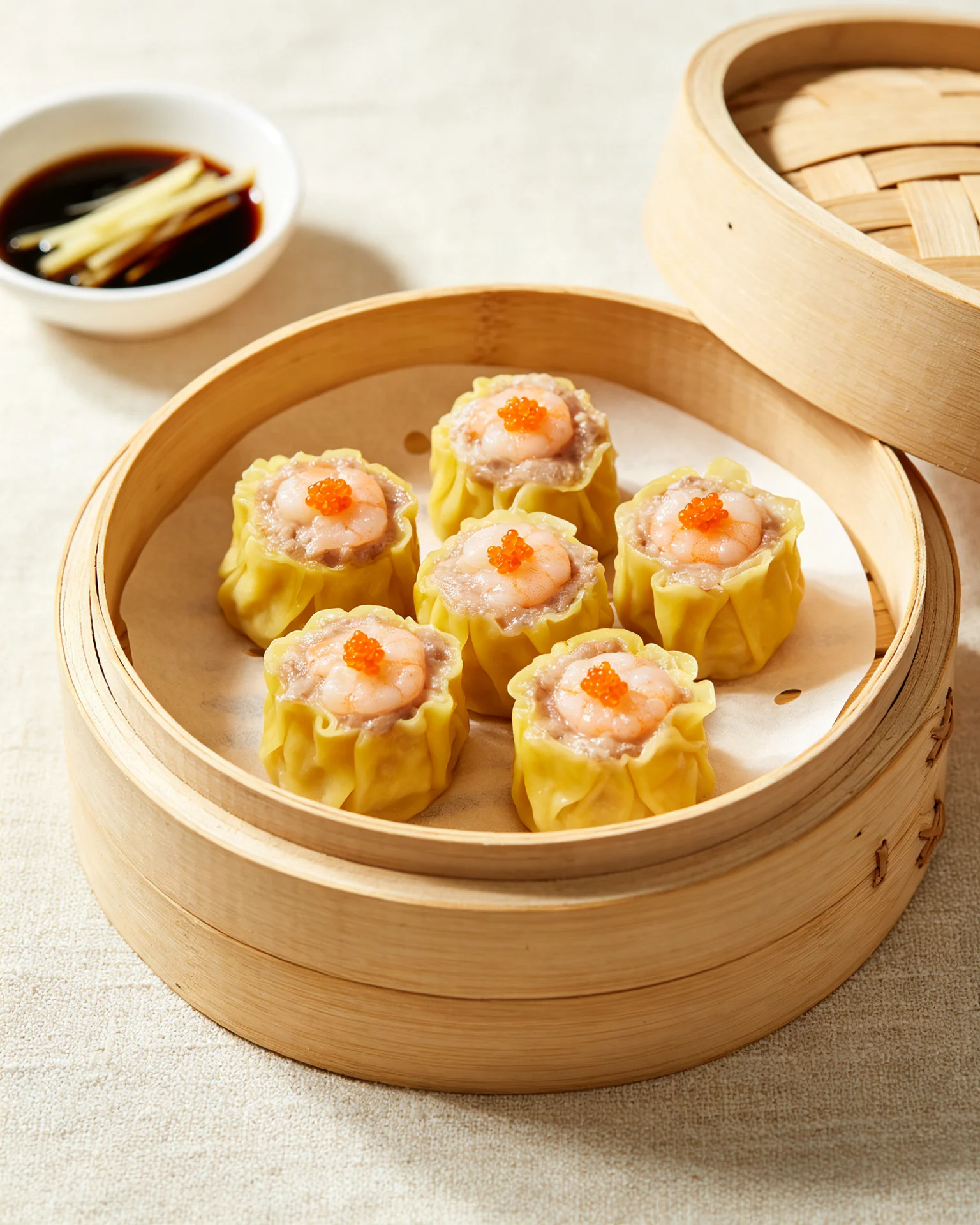
- Pork and Shrimp Siu Mai — perfect for a dim sum spread
- Soup Dumplings (Xiaolongbao) — a classic dim sum pairing
- Mapo Tofu — for a Sichuan-Cantonese combination
- Sweet and Sour Chicken — a crowd-pleasing Chinese-American classic
For a full Chinese-style spread, serve with a light stir-fried green vegetable and a bowl of clear broth soup — the contrast in textures and temperatures makes for a balanced, satisfying table.
Love Chinese food?
Check out my complete guide to Chinese home cooking, pantry essentials, and techniques.
Frequently Asked Questions
What kind of rice is best for BBQ pork fried rice?
Day-old long-grain jasmine rice is the gold standard. Refrigerating cooked rice dries out the grains so they fry independently instead of clumping. Short-grain sushi rice is too sticky, and freshly cooked rice of any variety retains too much steam. If you must use fresh rice, spread it on a baking sheet and refrigerate for at least 2 hours.
Can I use store-bought Chinese BBQ pork?
Absolutely. Store-bought char siu from an Asian butcher or grocery store works perfectly and saves significant time. Look for pork with a dark, lacquered exterior and slight char — that caramelization is exactly what adds depth to the fried rice.
Why does my fried rice come out mushy?
The two most common causes are fresh rice and an overcrowded pan. Fresh rice releases steam that turns into moisture in the wok. Overcrowding drops the pan temperature, which also causes steaming instead of frying. Use cold, dry rice and cook in batches if needed.
How do I get wok hei without a wok?
Use a preheated 12-inch cast iron skillet on the highest burner setting. Cook in small batches (1–1.5 cups of rice at a time) to maintain high heat concentration at the cooking surface.
Is BBQ pork fried rice the same as char siu fried rice?
Yes — they are the same dish. Char siu (叉燒) is the Cantonese term for Chinese BBQ pork. “BBQ pork fried rice” is simply the English name for 叉燒炒飯 (char siu chow fan).
Can I make this recipe gluten-free?
Yes. Substitute regular soy sauce with tamari or coconut aminos, and replace oyster sauce with a certified gluten-free oyster sauce (Lee Kum Kee makes one). Ensure your char siu is also made without wheat-based hoisin — there are gluten-free versions available at most Asian grocers.
How long does char siu fried rice last in the fridge?
Stored in an airtight container, BBQ pork fried rice keeps for up to 3 days in the refrigerator. Always reheat to an internal temperature of 165°F (74°C) before eating.
What can I substitute for oyster sauce?
For a pescatarian-friendly or allergy-friendly swap, use an equal amount of hoisin sauce, or combine 1 teaspoon of soy sauce with a few drops of fish sauce. Mushroom oyster sauce is a widely available vegetarian alternative that tastes remarkably similar to the original.
The Cultural Context of Char Siu Chow Fan
Char siu fried rice holds a deep place in Cantonese food culture. Char siu itself — that glossy, sweet-savory BBQ pork — has been a cornerstone of siu mei (Chinese roasted meats) tradition for centuries, with roots tracing back to the food stalls of Guangzhou. It was among the first dishes that Cantonese immigrants brought to Hong Kong and overseas communities, appearing in cha chaan teng (Hong Kong-style diners) and Chinese-American restaurants alike.
Fried rice as a cooking method reflects a fundamental principle of Chinese cuisine: nothing is wasted. Day-old rice, leftover roasted pork, and whatever vegetables are on hand become a complete, deeply satisfying meal in under 20 minutes. This resourcefulness is part of why fried rice is found in some form across virtually every Asian cuisine — from Indonesian Nasi Goreng to Korean Kimchi Fried Rice — and why char siu fried rice, in particular, carries such a sense of comfort and familiarity for anyone who grew up eating Cantonese food.
Nutritional Information (Per Serving, Approximate)
| Nutrient | Amount |
|---|---|
| Calories | 520 kcal |
| Protein | 26g |
| Carbohydrates | 58g |
| Fat | 18g |
| Fiber | 3g |
| Sodium | 980mg |
Nutritional values are estimates based on standard ingredients. Values may vary based on char siu brand, rice portion, and sauce adjustments
Final Thoughts
BBQ pork fried rice is the kind of recipe that improves with every batch. Once you understand the relationship between cold dry rice, high heat, and the caramelized char siu glaze, this dish becomes one of those reliable weeknight dinners that takes 20 minutes and satisfies completely.
Got leftover char siu from a weekend roast? This is exactly what it was made for.
Try it tonight and let us know how it turned out in the comments below! 🍳
Explore more Cantonese classics on Asian Foods Daily — from dim sum favorites to our full collection of Asian recipes.
BBQ Pork Fried Rice Recipe: Better Than Takeout
BBQ pork fried rice, char siu, Chinese fried rice
PT10M
PT10M
PT20M
Nutrition Facts
Ingredients
- 3 cups cooked jasmine rice (day-old, refrigerated)
- **1½ cups char siu BBQ pork**, sliced into ½-inch pieces
- 3 large eggs, lightly beaten
- 3 tablespoons neutral oil (vegetable or avocado oil)
- 3 green onions (scallions), thinly sliced — whites and greens separated
- 3 cloves garlic, minced
- ½ cup frozen peas and carrots, thawed
- 2 tablespoons soy sauce (light or all-purpose)
- 1 tablespoon oyster sauce
- 1 teaspoon sesame oil
- ½ teaspoon white pepper
- ½ teaspoon sugar
Instructions
- Prepare your rice: Break up refrigerated day-old rice by hand so all clumps are separated before it hits the wok. Clumps that enter the hot wok will steam instead of fry. If you only have freshly cooked rice, spread it on a baking sheet and refrigerate for at least 2 hours first. Mix your sauce: Combine soy sauce, oyster sauce, sesame oil, white pepper, and sugar in a small bowl. Stir until the sugar dissolves. Set aside. Having sauce pre-mixed means you never have to measure over a hot wok. Prep everything else: Mince garlic, separate scallion whites from greens, slice char siu, and thaw peas and carrots. Fried rice cooks in under 10 minutes — every ingredient must be within arm's reach before you turn on the heat.
- Step 1: Scramble the eggs Heat a wok or large skillet over high heat until it just begins to smoke. Add 1 tablespoon of oil and swirl to coat. Pour in the beaten eggs and let them sit undisturbed for 10 seconds, then gently scramble until just set but still slightly soft. Remove from the wok and set aside. Step 2: Sauté aromatics Add 1 tablespoon of oil to the hot wok. Add the minced garlic and the white parts of the scallions. Stir constantly for 30 seconds until fragrant and just golden. Do not let the garlic burn. Step 3: Fry the rice Add the remaining oil, then add the day-old rice in a single layer. Let it cook undisturbed for 60–90 seconds to develop a light crust on the bottom. Then fold from underneath and spread again. Repeat this 2–3 times until the rice has toasty, golden-fried edges. Step 4: Add pork and vegetables Push the rice to the sides of the wok. Add the char siu and peas/carrots to the center. Toss everything together and stir-fry for 1–2 minutes until the pork is heated through and its glaze begins to caramelize into the rice. Step 5: Sauce and finish Pour the sauce around the edges of the wok (not directly on the rice) so it hits the hot surface first. Toss quickly to coat every grain evenly. Return the scrambled eggs, breaking them into smaller pieces as you fold them in. The rice should look glossy and evenly colored — light brown, not dark.
- Transfer to a serving bowl or plate. Scatter the green scallion slices over the top. Taste and adjust with a small splash of soy sauce if needed. Serve immediately. Show Image
Did you make this recipe?
Tag @asianfoodsdaily on Instagram or leave a comment below!
Testing Notes
Tested in Asha's kitchen. Last reviewed August 4, 2025.
Ingredient Substitutions
Substitution notes coming soon.
About Asha
Half Asian, half African cook raised between two food-obsessed cultures. I've spent 10 years learning Asian cooking traditions through family, friends, and thousands of hours at the stove — testing every dish until it works in a standard home kitchen.
Read my full storyTechnique & Pantry Guides
Related Recipes
More delicious dishes you might enjoy


Loading comments...