Japanese Steakhouse Hibachi Chicken (Teppanyaki Style)

Jump to Section
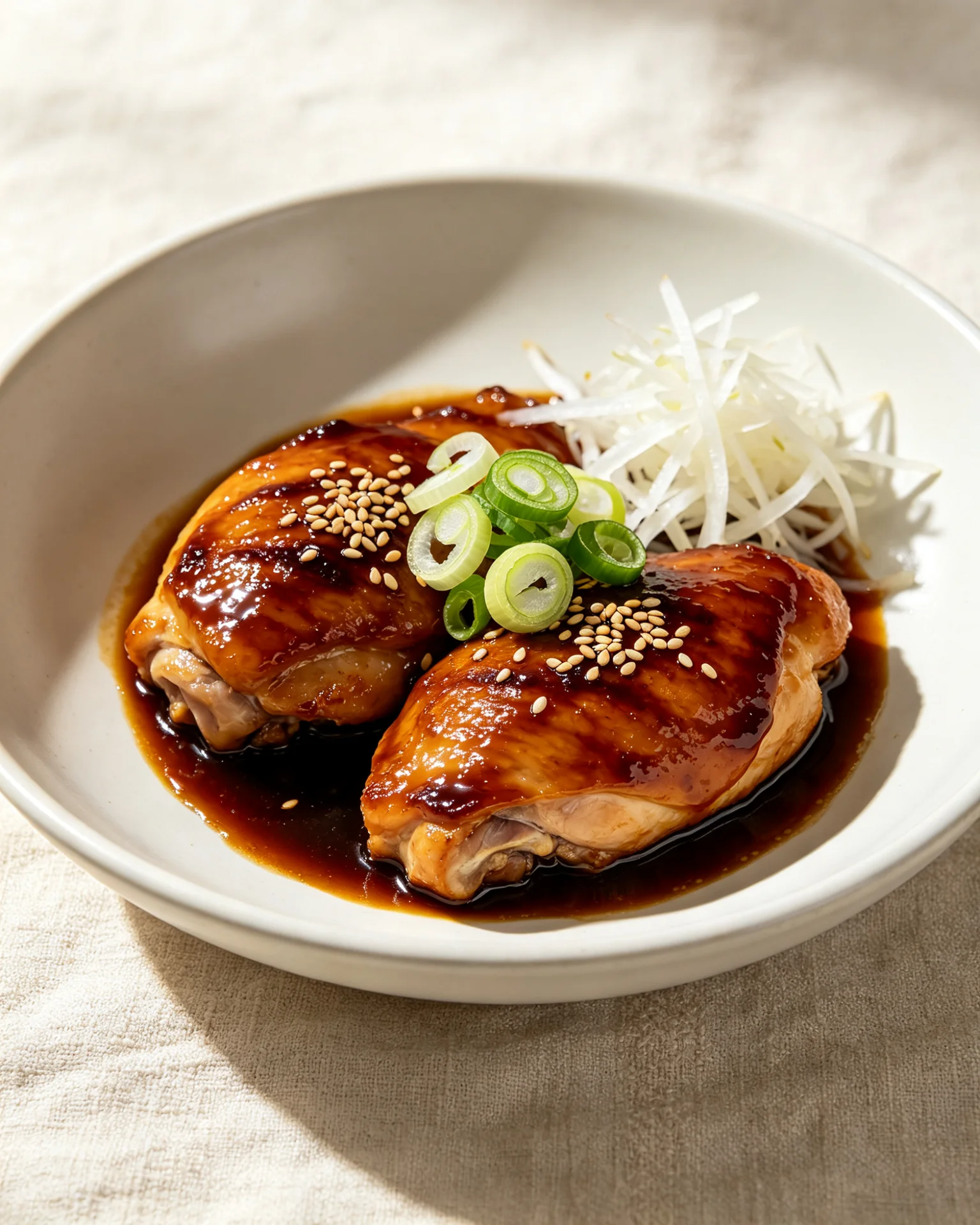
Boneless chicken. High smoke point oil. Golden browned butter. Minced garlic. A splash of soy sauce flashed around hot iron. A finishing squeeze of fresh lemon juice. That is the exact formula behind Japanese steakhouse hibachi chicken. Hibachi chicken is not grilled over charcoal grates. It is teppanyaki cooking, where flat cast iron delivers intense heat through direct metal conduction. When cooked with proper timing, each bite has a caramelized, savory exterior while the meat stays juicy.
My early batches were gray and dry. I cut the raw chicken into small cubes before cooking, dumped butter into the scorching pan right away, and poured soy sauce all over the meat. The butter burned black in thirty seconds, the chicken steamed in trapped water, and the soy tasted bitter. The turning point was searing the chicken breasts whole, foaming the butter only after browning, and pouring the soy sauce around the bare iron rim. If you want to understand how master glazes and searing heat work across Japan, explore my ++complete Japanese cooking guide++ before you heat your skillet.
Teppanyaki Griddle Cooking Differs from Open Flame Hibachi Grills
The word hibachi translates to fire bowl in Japanese. A traditional hibachi is a small, portable charcoal brazier with an open wire grate. Food cooked over a true hibachi touches open glowing charcoal embers, picking up wood smoke.
What American diners call hibachi is technically teppanyaki, meaning iron plate grilling. Chain restaurants like Benihana popularized flat griddle cooking starting in nineteen sixty four. The knife tricks, onion volcanoes, and quick sears happen across heavy sheets of flat steel. Heat transfers to the meat entirely through flat conduction, not smoke.
For home cooks, this distinction dictates your cookware. A ridged grill pan is the wrong tool because ridges allow fats to drain and prevent full surface contact. A smooth, heavy cast iron skillet or carbon steel flat top is the proper kitchen choice. A flat pan delivers unbroken contact, generating the blistered crust celebrated across our ++Japanese culinary collection++.
Whole Breast Searing Prevents Moisture Pooling in Domestic Pans
Most home recipes tell you to cube raw chicken before stir frying. That single shortcut ruins the dish on a home stove.
When raw chicken breast is sliced into bite sized cubes, every knife stroke exposes fresh muscle fibers. Twelve small cubes create twelve separate surfaces leaking intracellular moisture the second they touch heat. Commercial restaurant griddles possess massive steel thickness that absorbs that water without losing heat. A domestic cast iron pan has far less thermal mass.
Dumping raw chicken cubes into a home skillet causes surface temperature to drop below one hundred and forty degrees. According to ++poultry food science research on PubMed++, falling below that temperature halts the Maillard reaction. Trapped juices pool on the metal, boiling the chicken in its own moisture. The exterior turns rubbery and gray.
Searing the chicken breast whole solves the moisture trap. A whole breast exposes only two exterior surfaces, reducing water loss. The hot skillet retains its blistering sear, browning the surface in three minutes. After resting for three minutes off the flame, internal meat fibers reabsorb the juices. Cubing the chicken only after resting keeps the interior juicy.
Butter Timing Requires Delayed Addition to Avoid Acrid Scorching
Butter provides the rich, glossy glaze that makes steakhouse chicken famous. Adding butter at the start of cooking guarantees failure.
Dairy butter consists of roughly eighty percent milk fat, sixteen percent water, and four percent milk solids made of proteins and sugars. Those milk solids begin to scorch at one hundred and sixty degrees, turning black and bitter. A cast iron skillet preheated for searing chicken reaches two hundred and twenty degrees. Dropping raw butter into that heat incinerates the milk solids before the meat touches the pan.
Start the cook with high smoke point oil. Safflower oil, avocado oil, and refined peanut oil easily withstand temperatures above two hundred and thirty degrees without breaking down. Lay the whole chicken in hot oil to develop a dark golden crust.
Remove the browned chicken to rest. Take the skillet off direct heat for thirty seconds so the temperature settles near one hundred and sixty degrees. Drop the unsalted butter in now. The butter foams gently, releasing sweet hazelnut aromas as the solids caramelize safely.
Minced Garlic Infusion Depends on Foaming Butter Temperatures
Raw garlic contains pungent allicin compounds that turn delightfully sweet when cooked gently, but scorch quickly when exposed to direct skillet heat.
At over two hundred degrees, minced garlic burns in thirty seconds, ruining the sauce with acrid bitterness. Adding garlic when the butter foams creates a gentle cooking bath. The evaporating water in the butter holds pan temperature steady between one hundred and fifty and one hundred and sixty degrees.
Stir the minced garlic through the foaming butter for forty five seconds. The garlic turns pale gold and releases fragrant essential oils into the butter fat without burning. If the garlic browns too quickly, slide the pan off the burner. The retained heat of cast iron carries the cooking safely.
Perimeter Soy Sauce Deglazing Prevents Searing Collapse
Pouring soy sauce directly over seared meat softens the crust you worked to build. Liquid soy sauce contains seventy percent water, which creates instant steam that washes away browning.
Pour the soy sauce in a wide circle around the bare outer perimeter of the cast iron skillet. The hot metal walls flash the water into steam in two seconds. The concentrated amino acids and glutamates caramelize against the bare iron, forming a sticky, savory glaze.
Toss the diced chicken back into the skillet and baste with the bubbling butter and caramelized soy glaze. The chicken picks up deep toasted flavor while keeping its seared exterior crisp. This high heat basting method mirrors our technique in ++authentic Japanese teriyaki chicken++ and quick ++Japanese beef gyudon bowls++.
Lemon Juice Finishing Cuts Rich Pan Fats Off the Heat
A Japanese steakhouse chef always finishes chicken with a quick lemon squeeze right before plating. That citrus splash is functional kitchen balance.
Hibachi chicken carries substantial richness from dairy butter, cooking oil, and savory soy glutamates. Without acid, that richness coats the palate and tastes heavy after four bites. Citric acid from fresh lemon cuts through the melted butter, awakening the tongue and highlighting the savory garlic notes.
Always add the lemon juice off the flame. High heat cooks off the delicate, volatile limonene oils that give fresh citrus its fragrance. Squeezing the lemon off the stove protects those floral aromatics.
Traditional Steakhouse Accompaniments Complete the Dinner Experience
Hibachi chicken is never served alone. Japanese steakhouses build a complete feast around three classic side dishes.
Hibachi fried rice is the traditional star, fried in the same cast iron skillet with leftover butter, garlic, eggs, and cold rice. Sautéed hibachi vegetables like sliced zucchini, sweet onions, and white mushrooms cook in thirty seconds over blistering heat, retaining their crisp snap.
Pink yum yum sauce provides a sweet, creamy dip made from mayonnaise, tomato paste, garlic powder, and paprika. Pungent Japanese ginger sauce, blended from fresh ginger, grated onion, soy sauce, and rice vinegar, provides a sharp contrast. To expand your Japanese weeknight repertoire, try our ++crispy chicken karaage++ or comforting ++chicken katsu curry udon++ on our ++Japanese recipe hub++.
Ingredients for Japanese Steakhouse Hibachi Chicken

Chicken and pan searing
- 2 boneless skinless chicken breasts (about 300 g total, patted dry)
- 0.5 tsp fine sea salt
- 0.25 tsp finely ground white pepper
- 2 tbsp safflower oil or avocado oil (high smoke point oil)
Steakhouse butter glaze
- 2 tbsp unsalted dairy butter
- 4 cloves fresh garlic (finely minced)
- 1 tbsp Japanese sake or dry cooking sherry
- 2 tbsp Japanese dark soy sauce
- 1 tsp mirin (adds gloss and subtle sweetness)
- 1 tsp toasted sesame oil (added off heat)
- 0.5 fresh lemon (juiced off heat)
Steakhouse plate pairings
- 1 batch hibachi fried rice (warm)
- 1 cup sliced zucchini and sweet yellow onions (sautéed in butter)
- 0.25 cup homemade yum yum sauce (mayonnaise, tomato paste, garlic powder, paprika)
Step by Step Method for Hibachi Chicken

- Pat the chicken breasts dry on both sides with paper towels. Season evenly with fine sea salt and ground white pepper. Leave the breasts whole at room temperature for ten minutes.

- Set a heavy twelve inch cast iron skillet over your largest burner on high heat. Heat the dry skillet for four minutes until a drop of water flicked onto the metal vaporizes on contact.
- Swirl two tablespoons of safflower or avocado oil across the hot skillet. Lay the whole chicken breasts into the smoking oil. Leave them untouched for three minutes so a deep golden crust forms.
- Flip the breasts using tongs. Sear the second side for three minutes until cooked through with an internal temperature of seventy degrees. Transfer the chicken to a warm cutting board and let rest for three minutes.

- Turn the burner down to medium heat. Add the unsalted butter to the hot skillet. As the butter melts and foams, toss in the minced garlic. Stir continuously for forty five seconds until pale gold and fragrant.

- Splash the sake into the center of the pan to deglaze. Pour the soy sauce and mirin in a circle around the hot outer perimeter of the skillet, letting the sauce sizzle and caramelize against the bare metal.

- Cut the rested chicken into bite sized two centimeter cubes on the cutting board.

- Dump the chicken cubes into the bubbling butter and soy glaze. Toss briskly with a metal spatula for forty five seconds until every piece is coated in a glossy, dark golden sauce.

- Slide the skillet completely off the heat. Drizzle the toasted sesame oil over the chicken and squeeze the fresh lemon juice across the pan. Give the chicken a final toss to combine.

- Plate immediately alongside hot hibachi fried rice, sautéed zucchini, and a dish of creamy yum yum sauce.

Love Japanese food?
Check out my complete guide to Japanese home cooking, pantry essentials, and techniques.
Frequently Asked Questions
Q: Can I use chicken thighs instead of chicken breasts?
A: Boneless chicken thighs work wonderfully and provide a higher intramuscular fat content that makes them forgiving under high heat. Sear the thighs whole for four minutes per side, check that the internal temperature reaches seventy five degrees, rest for three minutes, and dice into cubes before tossing with the butter sauce.
Q: Why does my chicken look gray instead of golden brown?
A: Gray chicken happens when the skillet is not hot enough or when the meat is cubed before cooking. Diced chicken leaks moisture that drops pan temperature, causing the meat to boil in its own juices. Always preheat cast iron for four full minutes, use high smoke point oil, and sear the breasts whole.
Q: Can I cook this recipe in a non stick Teflon pan?
A: Non stick coatings degrade and release fumes when heated above two hundred and sixty degrees, which is the exact heat needed for a true steakhouse sear. In addition, non stick pans lack the heavy thermal mass of cast iron or carbon steel, causing pan heat to collapse when meat is added. A heavy cast iron skillet is the proper kitchen tool.
Q: How should leftover hibachi chicken be stored and reheated?
A: Seal leftover chicken in an airtight container and refrigerate for up to three days. Never microwave hibachi chicken, which turns the meat rubbery and splits the butter glaze. Reheat by tossing the cold chicken in a smoking hot skillet with a teaspoon of butter for two minutes to restore its glossy exterior.
You might also like: Check out our complete Japanese cooking guide for more essential ingredients and techniques.
Japanese Steakhouse Hibachi Chicken (Teppanyaki Style)
PT10M
PT15M
PT25M
Nutrition Facts
Ingredients
- 2 boneless skinless chicken breasts (about 300 g total, patted dry)
- 0.5 tsp fine sea salt
- 0.25 tsp finely ground white pepper
- 2 tbsp safflower oil or avocado oil (high smoke point oil)
- 2 tbsp unsalted dairy butter
- 4 cloves fresh garlic (finely minced)
- 1 tbsp Japanese sake or dry cooking sherry
- 2 tbsp Japanese dark soy sauce
- 1 tsp mirin (adds gloss and subtle sweetness)
- 1 tsp toasted sesame oil (added off heat)
- 0.5 fresh lemon (juiced off heat)
- 1 batch hibachi fried rice (warm)
- 1 cup sliced zucchini and sweet yellow onions (sautéed in butter)
- 0.25 cup homemade yum yum sauce (mayonnaise, tomato paste, garlic powder, paprika)
Instructions
- Pat the chicken breasts dry on both sides with paper towels. Season evenly with fine sea salt and ground white pepper. Leave the breasts whole at room temperature for ten minutes.
- Set a heavy twelve inch cast iron skillet over your largest burner on high heat. Heat the dry skillet for four minutes until a drop of water flicked onto the metal vaporizes on contact.
- Swirl two tablespoons of safflower or avocado oil across the hot skillet. Lay the whole chicken breasts into the smoking oil. Leave them untouched for three minutes so a deep golden crust forms.
- Flip the breasts using tongs. Sear the second side for three minutes until cooked through with an internal temperature of seventy degrees. Transfer the chicken to a warm cutting board and let rest for three minutes.
- Turn the burner down to medium heat. Add the unsalted butter to the hot skillet. As the butter melts and foams, toss in the minced garlic. Stir continuously for forty five seconds until pale gold and fragrant.
- Splash the sake into the center of the pan to deglaze. Pour the soy sauce and mirin in a circle around the hot outer perimeter of the skillet, letting the sauce sizzle and caramelize against the bare metal.
- Cut the rested chicken into bite sized two centimeter cubes on the cutting board.
- Dump the chicken cubes into the bubbling butter and soy glaze. Toss briskly with a metal spatula for forty five seconds until every piece is coated in a glossy, dark golden sauce.
- Slide the skillet completely off the heat. Drizzle the toasted sesame oil over the chicken and squeeze the fresh lemon juice across the pan. Give the chicken a final toss to combine.
- Plate immediately alongside hot hibachi fried rice, sautéed zucchini, and a dish of creamy yum yum sauce.
Did you make this recipe?
Tag @asianfoodsdaily on Instagram or leave a comment below!
Testing Notes
Tested in Asha's kitchen. Last reviewed June 29, 2025.
Ingredient Substitutions
Substitution notes coming soon.
About Asha
Half Asian, half African cook raised between two food-obsessed cultures. I've spent 10 years learning Asian cooking traditions through family, friends, and thousands of hours at the stove — testing every dish until it works in a standard home kitchen.
Read my full storyRelated Recipes
More delicious dishes you might enjoy


Loading comments...