Traditional Vietnamese Rice Paper Rolls Recipe (Fresh Goi Cuon)
Jump to Section
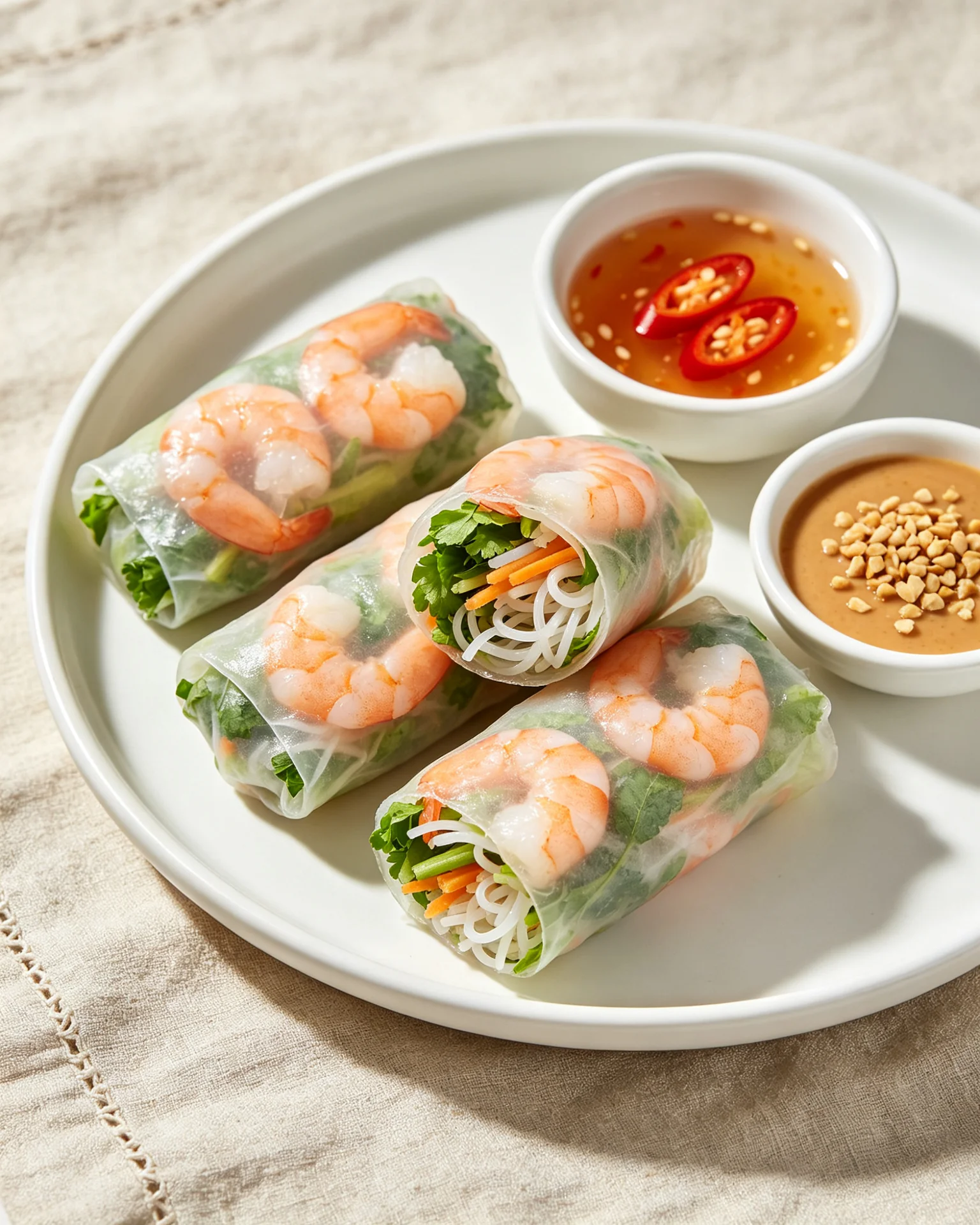
Translucent banh trang rice paper. Thinly sliced poached pork belly. Pink poached shrimp halves. Chewy rice vermicelli. Crisp butter lettuce. Pungent fresh mint and purple perilla. That is the complete architecture of authentic southern Vietnamese goi cuon. Goi cuon translates directly to salad rolls. They are not fried spring rolls. Nothing touches boiling oil. Every component enters the translucent wrapper cool, clean, and refreshing, served alongside umami rich nuoc cham and creamy hoisin peanut dip.
My first attempt at making summer rolls at home was an embarrassing mess. I used boiling water straight from the electric kettle to hydrate the wrappers. The paper melted into a sticky, gummy spiderweb the instant it touched the board, tearing apart before I could even place the lettuce. The shrimp rolled off onto the counter, and the rice noodles glued themselves to my fingers. The breakthrough was simply measuring the water temperature. Using warm water between forty and fifty degrees provides fifteen seconds of structural firmness, letting you roll smoothly without tears. If you want to master the foundational broths and dipping sauces that define Vietnamese dining, explore my ++complete Vietnamese cooking guide++ before you set up your station.
Fresh Goi Cuon Contrasts Completely with Deep Fried Cha Gio
Many western menus translate both goi cuon and cha gio as spring rolls, creating endless confusion. The two dishes belong to opposite ends of Vietnamese culinary philosophy.
Cha gio represents the hot, crunchy, celebratory appetizer. It features minced pork, wood ear mushrooms, and glass noodles packed inside thin wrappers and deep fried until golden brown and blistered.
Goi cuon represents the fresh, herbal everyday table roll. The ingredients are poached separately in clear water and wrapped raw alongside a forest of fresh aromatic greens. The roll is never cooked after assembly. It arrives at room temperature, showcasing the pink curve of poached shrimp and deep purple herbs through a glass like skin.
The texture delivers light chewiness from hydrated rice starch, followed by cool vegetable crunch and juicy pork richness. It is designed as an interactive social meal celebrated across our ++Vietnamese culinary collection++, where platters of herbs, noodles, and meats sit in the middle of the table so each person rolls their own dinner.
Warm Water Temperature Governs Banh Trang Starch Hydration
Banh trang wrappers are pressed sheets made from a precise blend of rice flour and tapioca starch. According to ++cereal and tuber starch research on PubMed++, the two starches possess different gelatinization and hydration thresholds. Rice flour provides structural integrity so the dry sheet does not shatter, while tapioca starch provides elastic tensile strength so the hydrated sheet bends around ingredients without splitting.
Water temperature dictates how fast those starch molecules absorb moisture. Dipping wrappers into boiling water causes the surface starches to gelatinize instantly into a sticky gel while the interior core remains brittle, making the sheet tear immediately. Using cold water barely hydrates the tapioca, leaving the wrapper stiff, brittle, and leathery.
The sweet spot is warm water between forty and fifty degrees. Submerge a single sheet for ten to twelve seconds. The wrapper should feel slightly firm and pliable at the edges when lifted from the bowl, not completely soft. Lay it flat across a slightly damp wooden cutting board. During the fifteen seconds it takes to place your fillings, residual water seeps into the core of the wrapper, bringing it to supple elasticity right as you make the first roll.
Four Aromatic Herbs Balance Rich Pork Belly and Shrimp
Vietnamese culinary tradition treats herbs as structural ingredients rather than decorative garnishes. Each green in goi cuon performs a specific flavor counterbalance.
Fresh spearmint provides menthol, activating cold sensitive receptors across the palate. This cooling burst resets the tongue between bites of rich pork fat and thick peanut sauce.
Perilla leaves, known as tia to, carry high concentrations of natural perillaldehyde. This compound delivers a licorice and anise aroma that cuts cleanly through the animal richness of the poached pork. Leaving out perilla leaves makes the roll taste one dimensional and heavy.
Vietnamese coriander, known as rau ram, supplies a bright, peppery warmth with citrus undertones. It adds subtle spice without requiring raw chilies inside the wrapper.
Butter lettuce serves as the physical foundation. Wrapping the loose noodles and julienned carrots inside a tender lettuce leaf before rolling creates a smooth barrier that prevents sharp vegetable edges from puncturing the delicate rice paper.
Two Classic Dipping Sauces Supply Sweet and Savory Contrast
Goi cuon leaves the rolling board gently seasoned, relying on vibrant dipping sauces to complete each bite. Southern Vietnamese tables always serve two contrasting bowls.
Nuoc cham provides the bright, acidic dipping sauce. It combines quality fish sauce, freshly squeezed lime juice, sugar, water, minced garlic, and sliced bird eye chilies. Fresh lime juice contains volatile terpenes that fade within thirty minutes, meaning homemade nuoc cham prepared fresh tastes incomparably brighter than bottled store varieties.
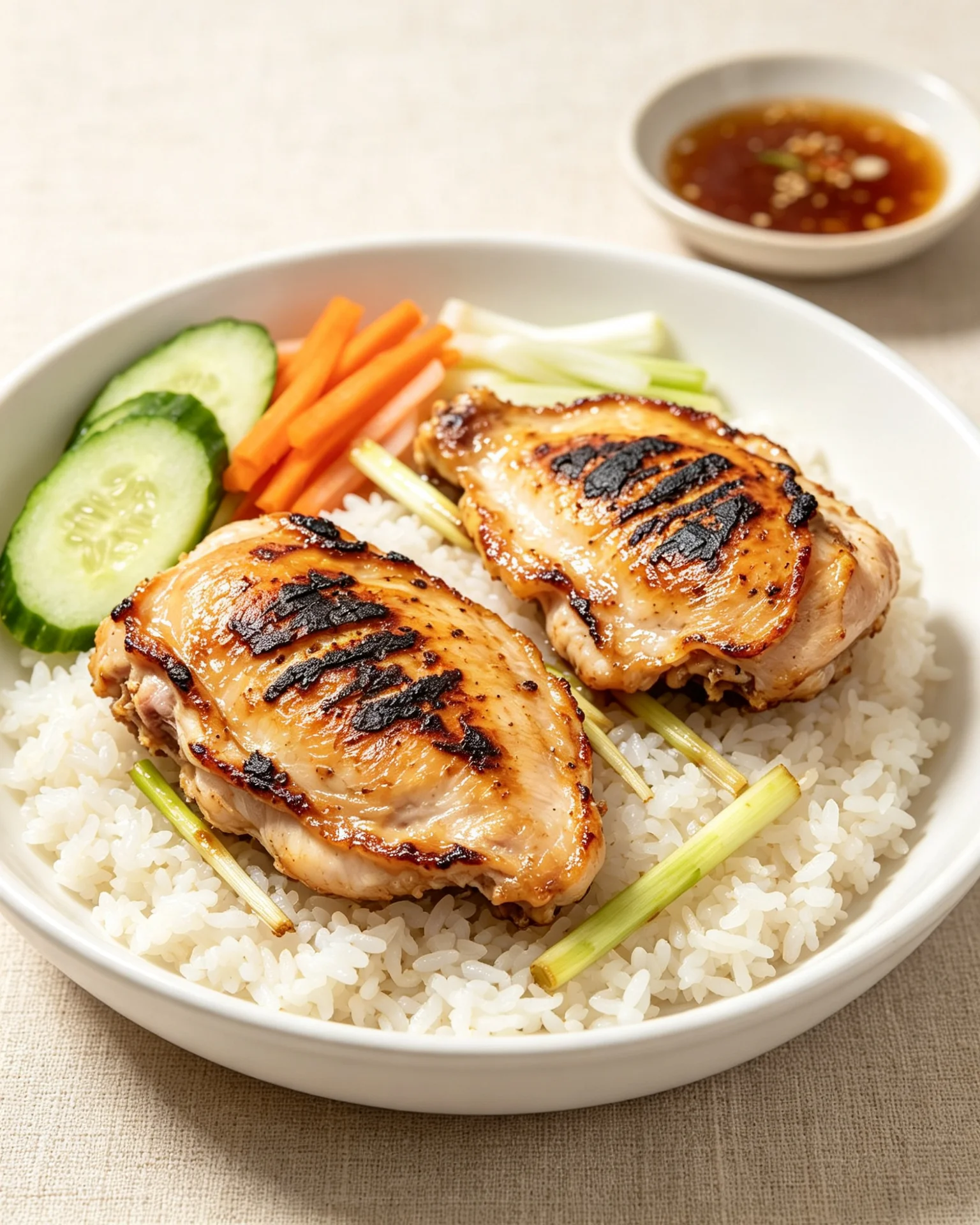
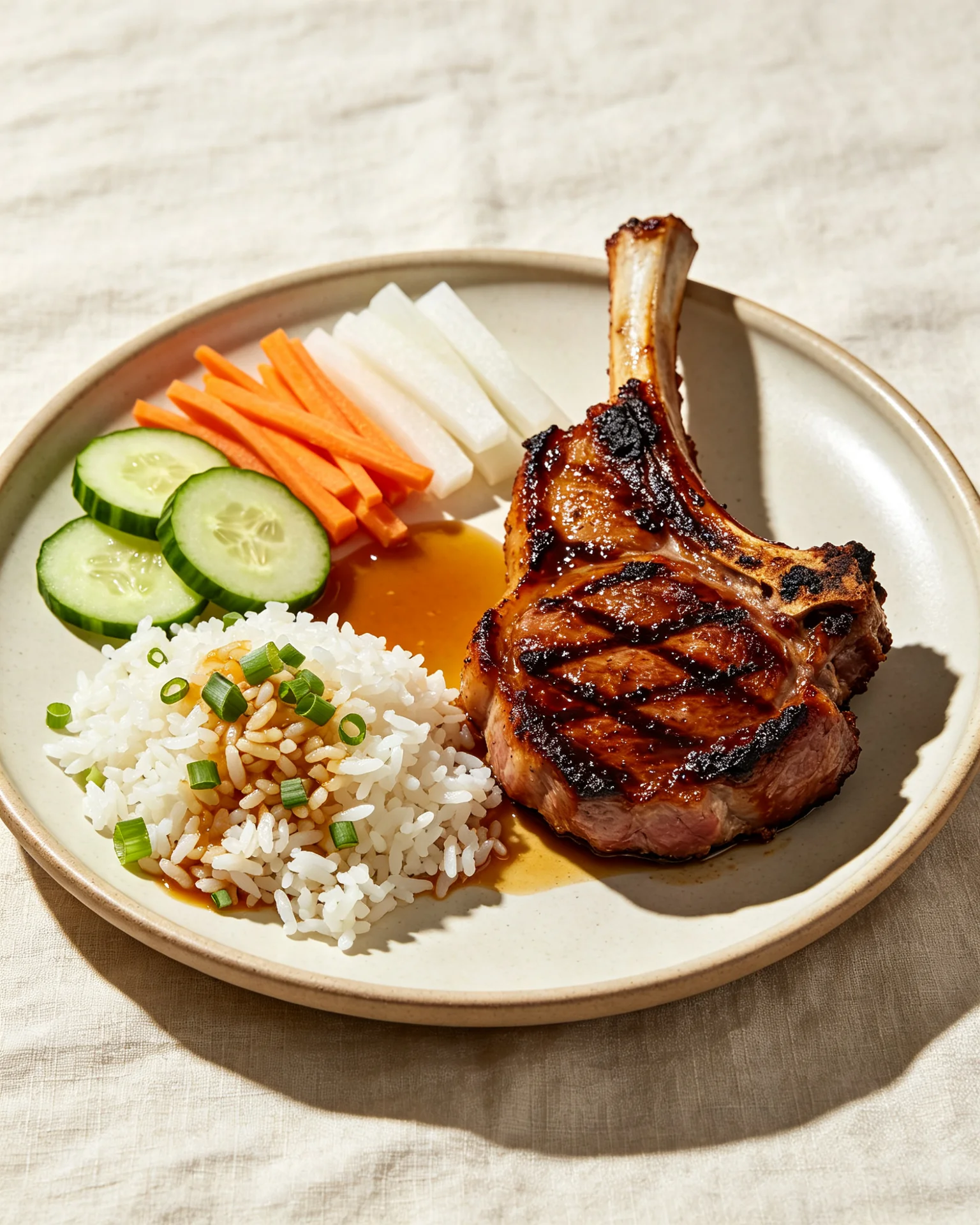
Creamy peanut sauce provides rich, savory comfort. Whisking hoisin sauce with creamy peanut butter, warm water, and a dash of sriracha creates a luscious, nutty dip. Garnished with crushed roasted peanuts, it coats the fresh herbs in sweet, roasty depth. To explore how these dipping sauces connect with everyday noodle plates, try our ++Vietnamese lemongrass chicken++ and classic ++lemongrass pork chops++ on our ++Vietnamese recipe hub++.
Lower Third Placement and Snug Tucking Ensure Tight Rolls
Rolling rice paper cleanly requires basic structural geometry. Following three mechanical rules prevents loose, unraveling rolls.
First, always arrange your fillings in the lower third of the circular wrapper, roughly three inches above the bottom edge. Centering the filling leaves too little paper at the base, preventing you from generating rolling tension.
Second, establish a tight initial tuck. Fold the bottom edge up over the lettuce bundle and pull it back toward yourself snugly with your thumbs, eliminating all internal air pockets.
Third, fold both outer edges inward over the ends of the filling before rolling forward. Roll the cylinder forward firmly across the damp board. The continuing hydration of the tapioca starch creates a natural hermetic seal within sixty seconds, locking the roll shut without toothpicks or water glue.
Ingredients for Traditional Vietnamese Rice Paper Rolls
Roll components (makes 8 large rolls, serves 4)
- 8 sheets dried banh trang rice paper wrappers (22 cm diameter)
- 200 g pork belly or lean pork shoulder (in one whole piece)
- 16 medium raw shrimp (peeled and deveined, tails removed)
- 80 g dried thin rice vermicelli noodles
- 1 head tender butter lettuce (leaves washed and dried)
- 1 medium English cucumber (cut into thin matchsticks)
- 1 medium carrot (peeled and julienned)
- 1 bunch fresh spearmint leaves
- 1 bunch purple perilla leaves (tia to)
- 1 bunch fresh cilantro or Vietnamese coriander (rau ram)
Nuoc cham dipping sauce
- 2 tbsp quality fish sauce
- 1 tbsp fresh lime juice (freshly squeezed)
- 1 tbsp white granulated sugar
- 3 tbsp clean water
- 1 small clove fresh garlic (finely minced)
- 1 fresh red bird eye chili (thinly sliced)
Creamy hoisin peanut sauce
- 3 tbsp hoisin sauce
- 2 tbsp creamy smooth peanut butter
- 2 tbsp warm water (adjust for dipping thickness)
- 1 tsp sriracha chili sauce
- 1 tbsp roasted peanuts (coarsely crushed, for garnish)
Step by Step Method for Vietnamese Rice Paper Rolls
- Place the whole pork belly into a medium saucepan, cover with cold water, and add half a teaspoon of salt. Bring to a boil over medium heat, then simmer gently for twenty five minutes until tender when pierced with a skewer. Remove, let cool completely to room temperature, and slice into razor thin ribbons two millimeters thick.
- In the same simmering water, drop in the peeled shrimp. Poach for two minutes until the shrimp turn opaque pink and curl into loose C shapes. Remove immediately to prevent carryover heat from toughening the meat. Cool, then slice each shrimp in half lengthwise down the center of the back.
- Boil the rice vermicelli in a small pot for three minutes until tender. Drain thoroughly in a colander, rinse under cold water to wash away surface starches, and divide into eight loose noodle bundles.
- Prepare the nuoc cham by whisking the fish sauce, lime juice, sugar, and water in a bowl until the sugar crystals dissolve. Stir in the minced garlic and sliced red chilies.
- Prepare the peanut sauce by whisking the hoisin sauce, peanut butter, warm water, and sriracha in a small bowl until silky and pourable. Scatter crushed roasted peanuts over the top.
- Set up your assembly station. Fill a wide, shallow dish with warm water between forty and fifty degrees. Place a slightly damp wooden cutting board in front of you with all sliced meats, herbs, and noodles organized in small piles within arm reach.
- Submerge one sheet of rice paper into the warm water for ten seconds. Remove and shake off excess drops. Lay the sheet flat on the damp board.
- Lay a small piece of butter lettuce across the lower third of the paper. Top with a bundle of vermicelli, several cucumber matchsticks, julienned carrots, two slices of pork belly, and several mint and perilla leaves.
- Lay three shrimp halves in a horizontal row two inches above the lettuce bundle, placing the vibrant pink cut sides facing downward against the rice paper so they show through the finished roll.
- Lift the bottom edge of the rice paper up and over the lettuce filling, pulling gently backward to compress the bundle snugly. Fold the left and right sides of the paper inward over the filling edges.
- Roll the cylinder forward firmly away from you, rolling across the shrimp halves until the top edge seals against the body. Place the roll seam side down on a platter. Repeat with the remaining seven sheets and serve immediately with both dipping sauces.
Love Vietnamese food?
Check out my complete guide to Vietnamese home cooking, pantry essentials, and techniques.
Frequently Asked Questions
Q: Why do my rice paper rolls turn rubbery and tough after sitting?
A: Rice paper loses moisture to the surrounding air rapidly, causing hydrated starches to dry out into a leathery skin within two hours. If preparing rolls ahead of time, wrap each roll individually in plastic cling film and store at room temperature for up to three hours. Avoid storing uncovered rolls inside the refrigerator, because cold dry air accelerates wrapper hardening.
Q: Can I prepare these rolls without pork belly?
A: You can omit the pork belly entirely and double the quantity of poached shrimp, or substitute thinly sliced poached chicken breast or pan seared firm tofu for a vegetarian version. When using tofu, marinate the slices in soy sauce and sesame oil before pan frying to provide savory depth.
Q: How can I prevent the rice paper from sticking to the rolling surface?
A: Smooth granite counters and plastic cutting boards create strong surface tension that glues wet rice paper down. Use a clean, textured wooden cutting board and wipe it with a damp paper towel before laying down each sheet. The light wood grain and damp barrier prevent the wrapper from sticking.
Q: What should I do if my peanut dipping sauce is too thick?
A: Commercial peanut butters vary significantly in oil content and viscosity. If your sauce feels pasty, whisk in warm water one teaspoon at a time until it reaches a smooth, velvety consistency that coats a spoon easily.
You might also like: Check out our complete Vietnamese cooking guide for more essential ingredients and techniques.
Traditional Vietnamese Rice Paper Rolls Recipe (Fresh Goi Cuon)
Vietnamese, Main course
PT40M
PT30M
PT1H10M |
Nutrition Facts
Ingredients
- 8 sheets dried banh trang rice paper wrappers (22 cm diameter)
- 200 g pork belly or lean pork shoulder (in one whole piece)
- 16 medium raw shrimp (peeled and deveined, tails removed)
- 80 g dried thin rice vermicelli noodles
- 1 head tender butter lettuce (leaves washed and dried)
- 1 medium English cucumber (cut into thin matchsticks)
- 1 medium carrot (peeled and julienned)
- 1 bunch fresh spearmint leaves
- 1 bunch purple perilla leaves (tia to)
- 1 bunch fresh cilantro or Vietnamese coriander (rau ram)
- 2 tbsp quality fish sauce
- 1 tbsp fresh lime juice (freshly squeezed)
- 1 tbsp white granulated sugar
- 3 tbsp clean water
- 1 small clove fresh garlic (finely minced)
- 1 fresh red bird eye chili (thinly sliced)
- 3 tbsp hoisin sauce
- 2 tbsp creamy smooth peanut butter
- 2 tbsp warm water (adjust for dipping thickness)
- 1 tsp sriracha chili sauce
- 1 tbsp roasted peanuts (coarsely crushed, for garnish)
Instructions
Did you make this recipe?
Tag @asianfoodsdaily on Instagram or leave a comment below!
Testing Notes
Tested in Asha's kitchen. Last reviewed September 3, 2025.
Ingredient Substitutions
Substitution notes coming soon.
About Asha
Half Asian, half African cook raised between two food-obsessed cultures. I've spent 10 years learning Asian cooking traditions through family, friends, and thousands of hours at the stove — testing every dish until it works in a standard home kitchen.
Read my full storyTechnique & Pantry Guides
Related Recipes
More delicious dishes you might enjoy


Loading comments...